Explore the Top Metaverse Projects in Cryptocurrency for 2024
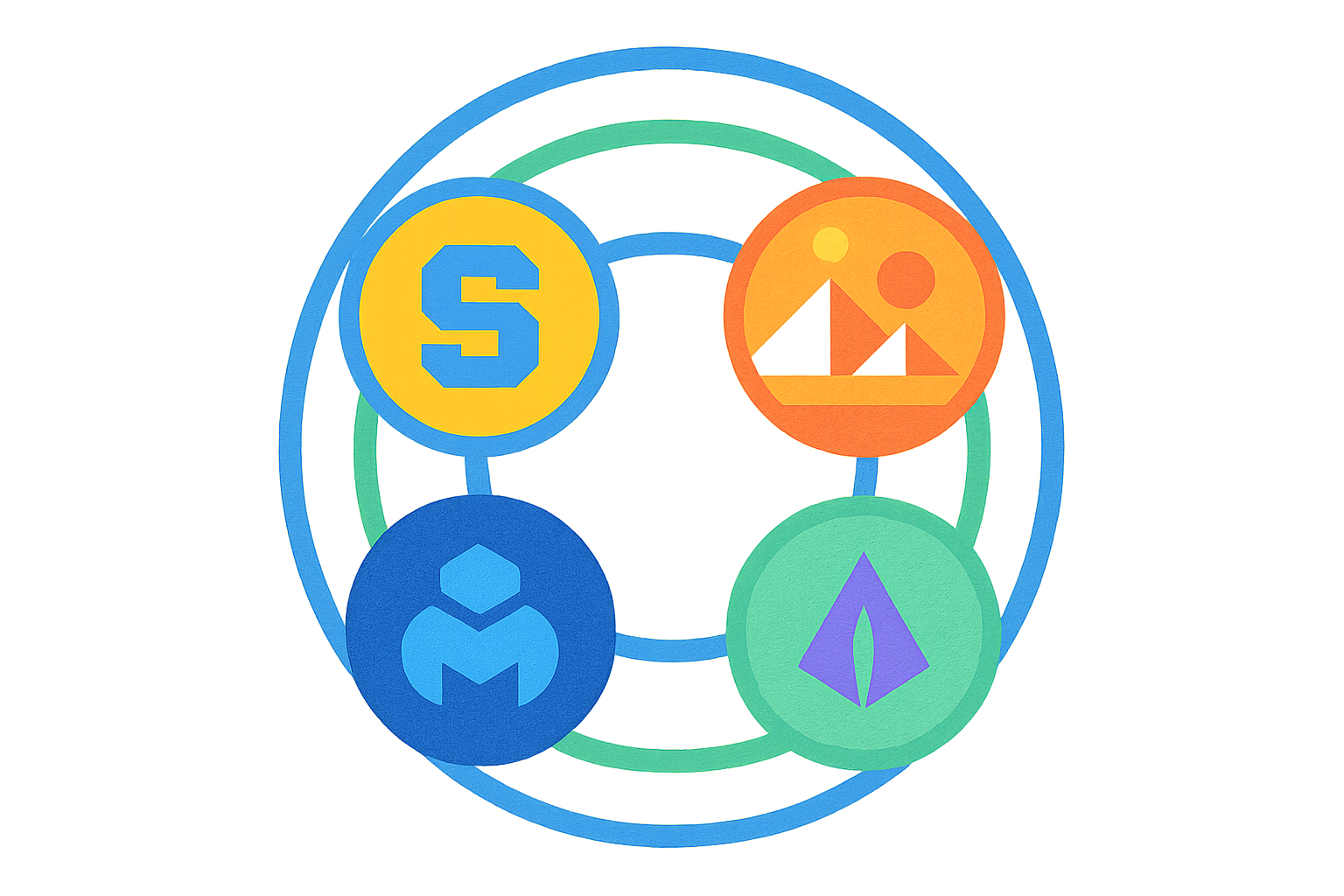
Top 10 Metaverse Crypto Projects to Watch in 2025
The metaverse is redefining how we interact with digital environments. Powered by blockchain technology, this shared virtual reality enables users to socialize, play, and earn real income in immersive worlds. Integrating cryptocurrencies and non-fungible tokens (NFTs) establishes secure, decentralized digital ownership and forms the foundation of future virtual economies.
What Is the Metaverse?
The metaverse is a collective, shared virtual space created by merging digitally enhanced physical reality and persistent virtual reality. This ecosystem leverages advanced technologies including augmented reality (AR), virtual reality (VR), 3D holographic avatars, and diverse digital media to deliver a fully immersive experience.
Blockchain and cryptocurrencies are essential to the metaverse, enabling truly decentralized virtual economies and genuine user ownership of digital assets. NFTs allow users to own virtual land, collectibles, and verified digital identities on the blockchain.
Market.us forecasts continued robust growth for the metaverse market, projecting it to reach $2,346.2 billion USD by 2032—up from $94.1 billion USD in 2023—reflecting a compound annual growth rate (CAGR) of 44.4%. The sector’s sustained, substantial market capitalization highlights the vast economic potential of this rapidly evolving space.
Leading Crypto Projects in the Metaverse Sector
Several cryptocurrency projects stand out in the current metaverse landscape for their innovation, adoption, and growth prospects. These initiatives drive digital transformation through solutions ranging from gaming to decentralized infrastructure.
The Sandbox (SAND) is a decentralized virtual world built on Ethereum since 2018. Users leverage the SAND token for transactions, staking, and governance. The platform features integrated tools such as VoxEdit, which lets users create voxel-based NFTs without technical expertise, Game Maker for building 3D games without coding knowledge, and a robust marketplace for trading digital assets. The Sandbox has attracted high-profile partners including Atari, CryptoKitties, The Walking Dead, and Snoop Dogg, underscoring its broad industry appeal.
Decentraland (MANA) is a landmark metaverse project built on Ethereum since 2017, allowing users to purchase digital real estate using the MANA token (ERC-20). The ecosystem is governed by a Decentralized Autonomous Organization (DAO), empowering MANA holders to vote on critical proposals shaping the platform’s future. Asset ownership is verified by NFTs, ensuring authentic and immutable property rights.
Axie Infinity (AXS) is a groundbreaking blockchain game where players breed, train, and battle unique digital creatures called Axies. Its play-to-earn model enables participants to earn AXS and SLP (Smooth Love Potion) tokens through gameplay. An extensive NFT marketplace supports trading Axies and other assets, while the Ronin sidechain drastically reduces transaction fees, making the game economically accessible worldwide.
Illuvium (ILV) is recognized as a AAA-grade blockchain game—a decentralized, open-world fantasy battle experience on Ethereum. It fuses strategic RPG elements with auto-battler mechanics, letting players capture, train, and battle creatures called Illuvials. The protocol rewards players and enables staking ILV tokens for yield farming, generating passive income.
Enjin Coin (ENJ), launched in 2017 as an ERC-20 token on Ethereum, has evolved with its own dedicated blockchain. ENJ backs NFTs directly and helps developers mint in-game items. Its Efinity network is purpose-built for multi-chain NFT transactions, fostering interoperability across diverse metaverse ecosystems.
OriginTrail (TRAC) delivers innovation as a decentralized Knowledge Graph (DKG) network, dramatically improving transparency and efficiency in global supply chains via blockchain. It supports interoperability across Ethereum, Polygon, Gnosis, and its Polkadot parachain. TRAC is used for staking, data publishing, and validator node operations.
Yield Guild Games (YGG) is a DAO specializing in investing in and managing virtual assets in blockchain games and virtual worlds. The YGG token empowers members with governance rights, staking rewards, and payment for ecosystem services. Innovative platform features offer diversified earning opportunities.
Wilder World (WILD) envisions a futuristic metaverse—an immersive 3D world on Ethereum. It utilizes Unreal Engine 5 and AI to deliver dynamic, visually stunning experiences. The WILD token is the core currency for transactions, governance, and staking. Wilder World also includes exclusive NFT collections representing valuable virtual assets.
Hooked Protocol (HOOK) launched to accelerate Web3 adoption through gamified learning. Its flagship product rewards users for completing educational tasks. The HOOK token serves as both a governance and utility token, granting access to exclusive NFTs and special community events.
My Neighbor Alice (ALICE) is a blockchain multiplayer game by Chromia, offering immersive farm-building where players buy, own, and develop virtual plots. The ALICE token (ERC-20) is the game’s primary currency, powering all economic transactions in the metaverse ecosystem.
Metaverse Trends
The metaverse is experiencing major shifts that will shape its future. Greater interoperability lets users seamlessly transfer digital assets between different platforms, boosting engagement and expanding global market potential.
Continual technological advances in realism and immersion—driven by AR, VR, and AI—make virtual experiences ever more lifelike, compelling, and nearly indistinguishable from physical reality.
Mass adoption is accelerating as established tech giants enter the metaverse, leveraging existing user bases to exponentially expand reach and engagement.
Economic opportunities are growing through play-to-earn models, empowering users to earn real cryptocurrency through virtual activities and democratizing income for global communities.
The movement also prioritizes sustainability and scalability, with major investments in energy-efficient protocols to reduce carbon footprints and infrastructure capable of supporting millions of simultaneous users.
Advanced AI integration provides sophisticated virtual assistants offering personalized guidance and real-time support, greatly enhancing user experience. The sector is set to generate exceptional economic value in coming years, unlocking unparalleled opportunities for business innovation and value creation.
Challenges and Opportunities in the Metaverse
Despite its immense potential, the metaverse industry faces substantial challenges requiring innovative solutions. Interoperability between virtual worlds remains a key technical and economic hurdle, limiting seamless user experiences.
Developing and adopting standardized protocols and technologies is essential for transparent communication and asset sharing across platforms. Privacy and security concerns demand ongoing vigilance to ensure user data protection and combat sophisticated cyber threats. Additionally, ethical issues such as algorithmic bias and inclusivity must be addressed to build a truly equitable metaverse.
Simultaneously, the metaverse opens new innovative pathways for businesses to engage customers in unprecedented ways. Brands can launch immersive marketing campaigns and virtual storefronts that deliver revolutionary shopping experiences and deepen emotional engagement. The rise of virtual events and meetings enables infinitely more flexible, accessible global collaboration, transcending geographic boundaries.
Conclusion
The metaverse is on track for tremendous growth, fueled by ongoing advances in AI, VR, and AR that will make virtual experiences more immersive and captivating. While significant technical, regulatory, and ethical challenges remain, opportunities for disruptive innovation and exponential economic growth are truly vast.
The ten crypto projects discussed are leading this digital transformation, showcasing a wide range of solutions for participating in the metaverse economy. Staying informed, engaged, and adaptable to emerging trends will be vital to seizing the unprecedented opportunities of this dynamic digital frontier. The metaverse is not just a passing tech trend—it is a fundamental transformation of how people will interact, work, and create value in the decades ahead using cryptocurrencies and blockchain technology.
FAQ
What Is the Best Metaverse Cryptocurrency?
Render Token (RENDER) is a leading metaverse cryptocurrency, with a market cap of $659.89 million and strong growth potential. Its top ranking among metaverse tokens makes it a preferred choice.
Which Cryptocurrency Will Meta Use?
Meta plans to use a stablecoin for payments, in line with current digital currency market trends. The stablecoin will likely be a widely accepted, stable digital asset.
Which Crypto Could Deliver 1000x Returns?
Predicting which cryptocurrency will achieve 1000x growth is highly speculative. Historical cases like Dogecoin show potential but offer no guarantees. Meme projects such as Snorter may deliver quick gains in speculative phases, but no crypto ensures 1000x returns.
Which Cryptocurrencies Are Linked to the Metaverse?
Top metaverse cryptocurrencies include Decentraland (MANA), The Sandbox (SAND), Axie Infinity (AXS), Theta Network (TFUEL), and ApeCoin (APE). These tokens drive virtual economies and governance in metaverse platforms.
What Are the Main Metaverse Tokens and Their Use Cases?
Key tokens include MANA (Decentraland) for buying virtual land, FLOKI for utility in virtual worlds, and SAND (The Sandbox) for creating digital assets. These tokens enable transactions and real economic activity in decentralized digital environments.
Is Investing in Metaverse Cryptocurrencies Safe?
Metaverse cryptocurrencies offer significant growth potential. With proper analysis and smart capital management, investors can benefit from the expansive opportunities in this fast-evolving sector.
What Differentiates Metaverse Coins from Other Cryptocurrencies?
Metaverse coins serve as payment and governance tools within virtual worlds, while other cryptocurrencies target broader financial use cases. Metaverse tokens represent digital assets and rights specific to virtual ecosystems.
Exploring Sandbox Coins: Your Gateway to Blockchain Gaming and Virtual Metaverses
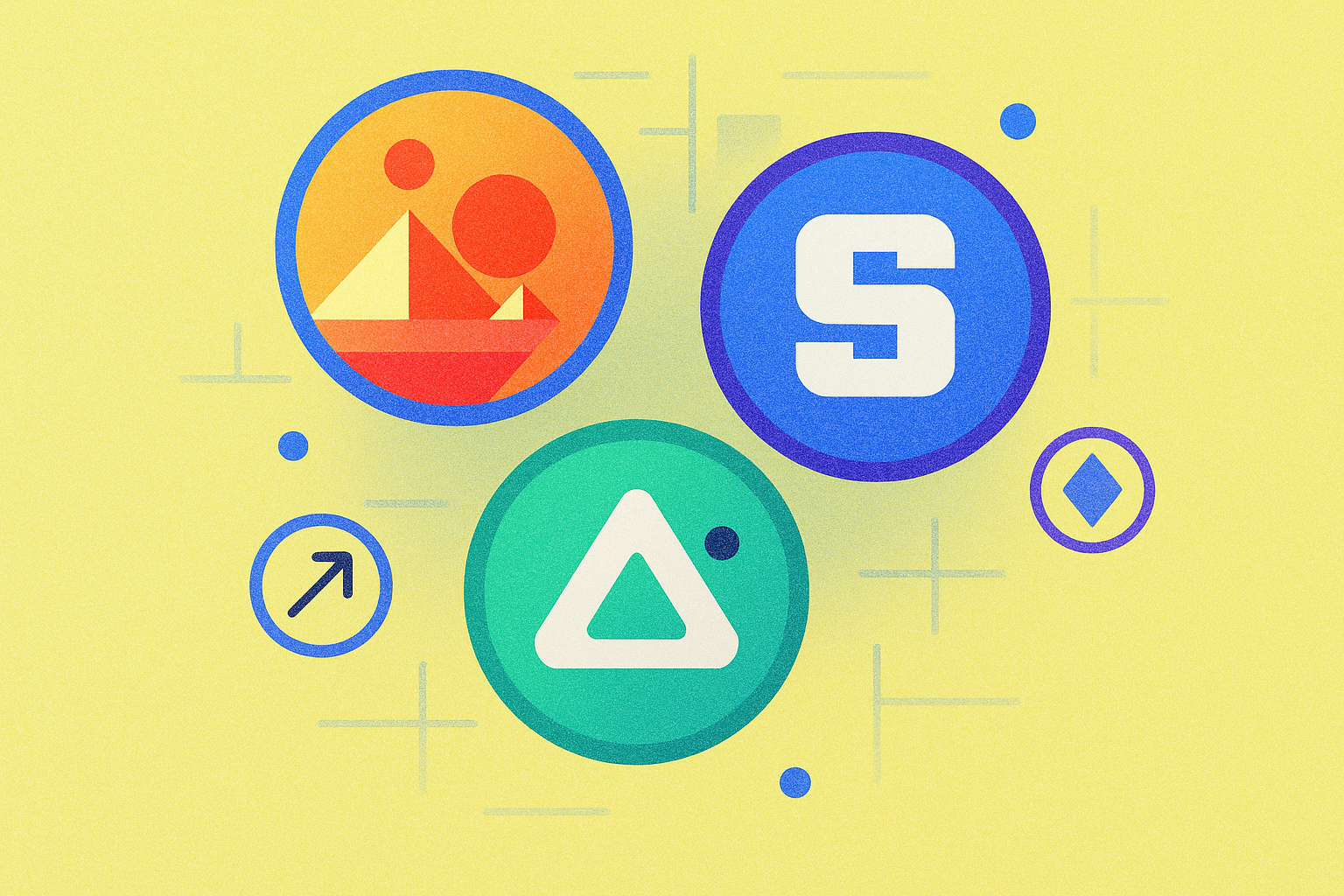
Top Metaverse Crypto Projects to Watch in 2024

Leading Metaverse Games of 2024

Revolutionize Football Gaming with Arena of Glory NFT Platform
Dự án Crypto Tiềm Năng trong Thế Giới Metaverse
Promising Metaverse Cryptocurrencies for Investors in 2023
What is the current crypto market cap ranking and trading volume overview in 2026?

What Is Crypto On-Chain Data Analysis and How Does It Predict Price Movements
How to Use MACD, RSI, and Bollinger Bands for Crypto Trading Success

What is on-chain data analysis and how does it predict crypto price movements

What is the fundamental analysis of a cryptocurrency project: whitepaper logic, use cases, and team background explained