Promising Metaverse Cryptocurrencies for Investors in 2023
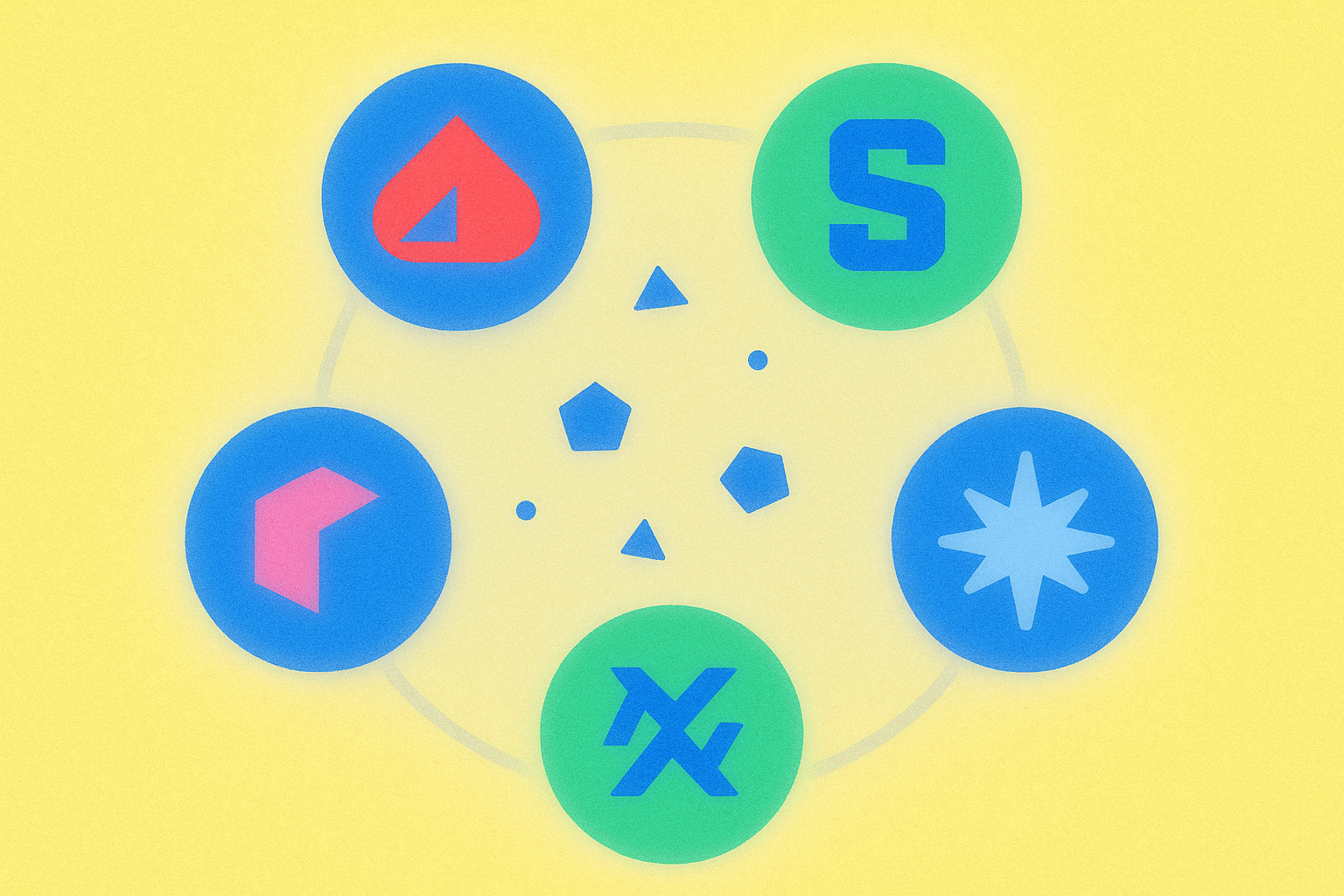
Top 10 Metaverse Crypto Projects to Watch in 2025
The metaverse is transforming how we interact with digital environments, creating immersive virtual worlds where users can socialize, play, and even earn money. It leverages blockchain technology to establish digital ownership, secure transactions, and foster decentralized economies. Throughout 2025, several metaverse projects continue to stand out due to their innovative approaches and growing user bases. These metaverse crypto projects are worth watching because they are at the forefront of integrating real-world applications with virtual experiences, making them prime candidates for significant growth and investment opportunities.
What Is the Metaverse?
The metaverse is a collective virtual shared space, created by the convergence of virtually enhanced physical reality and physically persistent virtual reality. It encompasses augmented reality (AR), virtual reality (VR), 3D holographic avatars, and other means of digital communication. In this space, users can interact with each other and the environment in real time, much like they would in the physical world.
Blockchain technology and cryptocurrencies are crucial in the metaverse crypto ecosystem. They enable the creation of decentralized virtual economies where users can own digital assets like land, items, and identity through non-fungible tokens (NFTs). Cryptocurrencies facilitate seamless transactions within these virtual worlds, ensuring security, transparency, and interoperability across different metaverse platforms.
Market analysis indicates that the Metaverse Market has continued its expansion trajectory, with the sector maintaining strong growth momentum. As of late 2025, the metaverse sector maintains a combined market cap of over 40 billion USD. The sector encompasses nearly 300 metaverse crypto projects, demonstrating the sustained expansion and diversification of this emerging industry.
The Sandbox (SAND)
The Sandbox is a decentralized virtual world built on the Ethereum blockchain, established in 2018, allowing users to create, own, and monetize gaming experiences using the SAND token. Originally a mobile game in 2012, it transitioned to blockchain technology to leverage NFTs and DeFi capabilities. The platform has demonstrated strong institutional confidence through significant funding rounds and strategic investments.
Players utilize SAND for transactions, staking, and governance participation. The Sandbox provides powerful tools including VoxEdit for creating voxel-based NFTs, Game Maker for building 3D games without requiring coding knowledge, and a comprehensive Marketplace for trading digital assets. Notable partnerships with major entertainment and gaming brands have significantly enhanced the ecosystem and user engagement. Recent developments include expanded staking capabilities across multiple blockchain networks for reduced transaction costs and weekly rewards, supporting a robust and engaged community through dedicated funds and contests. The platform's success is driven by user-generated content and high-profile collaborations, establishing a strong presence in the metaverse crypto gaming industry.
Decentraland (MANA)
Decentraland is a decentralized virtual world built on the Ethereum blockchain, established in 2017, enabling users to create, explore, and monetize content within a comprehensive 3D metaverse environment. Users can purchase digital real estate using the MANA token, an ERC-20 cryptocurrency, which is also used for in-game transactions, governance participation, and purchasing virtual goods and services. The ecosystem is designed to be user-driven, with ownership of virtual land and items verified through NFTs (ERC-721 tokens).
The platform offers diverse features including virtual games, social experiences, and commercial applications such as virtual stores and galleries, making it a versatile space for both entertainment and business activities. Decentraland has established notable partnerships with major technology companies and financial institutions, and continues to host significant metaverse crypto events showcasing the potential for large-scale virtual experiences. Recent developments include enhanced voice communication functionality, graphics improvements, and optimized client applications aimed at improving user experience. Platform governance is managed through a Decentralized Autonomous Organization (DAO), allowing MANA holders to vote on proposals and influence the project's future direction. These features, combined with its robust virtual economy and community-driven content creation, position Decentraland as a leading metaverse crypto project with significant growth potential.
Axie Infinity (AXS)
Axie Infinity, established by Sky Mavis in 2018, is a blockchain-based game where players breed, raise, and battle digital creatures called Axies. Inspired by popular gaming franchises, this innovative play-to-earn game allows players to earn AXS (Axie Infinity Shards) and SLP (Smooth Love Potion) tokens through gameplay. These tokens can be used for breeding new Axies, participating in governance through the Axie DAO, and making in-game purchases. The game's unique approach to blending gaming and blockchain technology has attracted millions of users and significant investment over multiple funding rounds.
Key features of Axie Infinity include its robust NFT marketplace, where players can buy and sell Axies and virtual land called Lunacia. The introduction of the Ronin sidechain has significantly reduced transaction fees and improved overall scalability within this metaverse crypto ecosystem. Notable partnerships with leading technology companies have expanded the ecosystem considerably. Recent developments include the launch of staking for AXS, enabling players to earn rewards and participate in governance decisions. Axie Infinity continues to innovate with advanced features such as land gameplay and decentralized exchange capabilities, reinforcing its position as a leading metaverse project.
Illuvium (ILV)
Illuvium is a decentralized, open-world fantasy battle game built on the Ethereum blockchain, renowned for being a high-quality blockchain-based game. Established in 2021, it combines elements of RPG and auto-battler genres, allowing players to explore the Illuvium landscape, capture creatures called Illuvials, and engage in strategic battles. The game features a fully 3D environment with numerous unique Illuvials, each with distinct classes and affinities that determine their combat capabilities and strategic value.
Players can earn in-game rewards, stake their ILV tokens for yield farming opportunities, and trade Illuvials on dedicated marketplace platforms. The ILV token serves multiple purposes within the Illuvium metaverse crypto ecosystem, functioning as the primary in-game currency for purchasing items and enabling participation in governance through the Illuvium DAO. Players can stake ILV to earn rewards in various formats for immediate or future use within the game. Notable features include marketplace platforms for trading NFTs with competitive fee structures and utilization of scalable blockchain solutions. Recent developments include the launch of complementary mini-games and plans for extensive future updates, positioning Illuvium as a leading contender in the metaverse gaming space.
Enjin Coin (ENJ)
Enjin Coin (ENJ) was established in 2017 as an ERC-20 token on the Ethereum blockchain to simplify the creation and management of virtual goods in gaming ecosystems. Enjin provides developers with a comprehensive platform to mint NFTs and integrate them seamlessly into gaming environments. In 2023, Enjin announced the launch of its own blockchain network, marking a significant evolution in the project's infrastructure to enhance scalability and reduce transaction costs. This strategic development has been pivotal in expanding Enjin's capabilities, allowing for the seamless creation and management of digital assets across multiple games and applications.
The primary utility of ENJ lies in its use as backing for NFTs, ensuring each token maintains intrinsic value. Developers use ENJ to mint in-game items that can be traded on dedicated marketplaces. Key features include cross-chain NFT transaction capabilities designed to facilitate metaverse crypto asset transfers, and secure digital asset management solutions. Enjin has formed notable partnerships with major technology companies, enhancing its ecosystem and adoption rates. Recent developments include expanded interoperability across multiple blockchain ecosystems, further improving efficiency and cross-platform functionality for metaverse crypto applications.
OriginTrail (TRAC)
OriginTrail is a decentralized knowledge graph network founded in 2011 and evolved as a blockchain-based project in 2018, aiming to enhance transparency and efficiency in supply chains through leveraging blockchain technology and decentralized data management. The project operates on multiple blockchains, including Ethereum, Polygon, Gnosis, and its own Polkadot parachain known as the NeuroWeb. OriginTrail's ecosystem is powered by the TRAC token, which is used for staking, data publishing, and node operations, ensuring network security and integrity.
The TRAC token has several utilities within the OriginTrail ecosystem. It is used to pay for publishing and updating data on the network, serves as collateral for running nodes, and facilitates data transactions across the decentralized knowledge graph. OriginTrail has established notable partnerships with major organizations spanning multiple industries to enhance its applications in various sectors including supply chain management, healthcare, and construction. Recent developments include the deployment of advanced infrastructure aimed at reducing transaction costs and increasing network efficiency. These advancements position OriginTrail as a key player in the evolving landscape of decentralized data management and blockchain technology applications.
Yield Guild Games (YGG)
Yield Guild Games (YGG) is a decentralized autonomous organization (DAO) established in 2020 that focuses on investing in and managing virtual assets used in blockchain-based games and virtual worlds. YGG aims to create the largest virtual world economy by acquiring and optimizing these assets for maximum utility, generating substantial revenue for its community members. The YGG token, an ERC-20 token, enables participation in governance decisions, staking for rewards, and payment for various services within this metaverse crypto ecosystem.
Since its inception, YGG has built a robust community of gamers and investors, providing them with opportunities to earn through participation in play-to-earn games. Key features of YGG include community advancement programs and achievement-based systems that help members build their on-chain identities. YGG's notable partnerships with leading blockchain games and infrastructure projects have significantly expanded its ecosystem capabilities. Recent developments include enhanced accessibility and utility within the ecosystem through network expansions. YGG continues to innovate and support its community, making it a pivotal player in the evolving metaverse landscape.
Wilder World (WILD)
Wilder World is an immersive 3D metaverse built on the Ethereum blockchain, leveraging advanced technologies such as Unreal Engine 5 and AI for photorealistic visuals and dynamic interactions. Launched by acclaimed digital artists and developers, the project aims to create a vibrant, decentralized virtual world where users can interact, trade, and create unique digital assets. The first city within Wilder World, Wiami, is designed to serve as the central hub for users to explore, engage in quests, and participate in rich narrative experiences.
Wilder World's vision is to build a fully immersive metaverse that combines virtual reality, real-time rendering, and blockchain technology to provide a truly interactive environment. The native token, WILD, is central to the Wilder World ecosystem, functioning as the primary currency for transactions, governance, and staking within the platform. Users can mint unique digital assets, participate in governance through the Wilder Nation DAO, and earn rewards by completing in-game challenges and quests. Key features include NFT collections fully integrated into the metaverse crypto economy and gameplay mechanics. Wilder World has formed strategic partnerships with leading artists and tech companies to enhance its platform, aiming to attract both Web3 enthusiasts and mainstream users with its visually stunning and functionally rich virtual world.
Hooked Protocol (HOOK)
Hooked Protocol, established in late 2022, aims to accelerate Web3 adoption through innovative, gamified learning experiences and user onboarding solutions. Its flagship product utilizes a "Learn-to-Earn" model where users participate in interactive content, gaming elements, and community activities to earn rewards. This approach has attracted millions of active users globally, showcasing its significant potential to onboard a broad audience to Web3 technologies and metaverse crypto ecosystems.
The Hooked Protocol team, composed of experienced professionals from leading technology companies, focuses on lowering barriers to Web3 entry by providing educational content and intuitive onboarding mechanisms. The native token, HOOK, serves multiple purposes within the ecosystem. It acts as a governance token, allowing holders to vote on platform decisions, and as a utility token for accessing exclusive NFTs, community events, and in-app purchases. Additionally, HOOK functions as a gas token for on-chain transactions within the Hooked ecosystem. Hooked Protocol has established notable partnerships and is continuously expanding its offerings and user base. Recent developments include enhancing its educational platform and integrating advanced technologies to improve user experiences. These efforts position Hooked Protocol as a significant player in the push for mass Web3 adoption and mainstream blockchain integration.
My Neighbor Alice (ALICE)
My Neighbor Alice is a blockchain-based multiplayer game developed by Chromia, established in early 2021, offering a unique farm-building experience where players can buy and develop virtual plots of land, participate in quests, and interact with other players. The game is set in a whimsical world combining a casual, friendly aesthetic with deeper mechanics of blockchain technology. This combination makes it accessible to both traditional gamers and blockchain enthusiasts exploring the metaverse crypto space.
The ALICE token, an ERC-20 token, serves as the game's primary currency, enabling players to purchase land, acquire in-game items, and participate in governance. The token has multiple utilities within the [My Neighbor Alice](<<
Trends in the Metaverse in 2025
Throughout 2025, the metaverse crypto sector is experiencing several key trends that continue to shape its evolution and attractiveness to investors and users alike. Increased Interoperability represents a major focus, as leading projects develop more interconnected virtual worlds. Users can now transfer assets and experiences more seamlessly across different platforms, significantly enhancing user engagement and expanding market potential across ecosystems.
Enhanced Realism and Immersion continues to advance through improvements in AR, VR, and AI technologies, making virtual experiences increasingly lifelike. Platforms are pushing boundaries with ultra-realistic avatars and environments, providing deeper and more engaging user experiences. Mainstream Adoption is accelerating as major technology companies and brands enter the metaverse crypto space. Companies across multiple sectors are developing comprehensive metaverse platforms, integrating their resources to expand the reach of virtual worlds to mainstream audiences.
Economic Opportunities are becoming increasingly prevalent through play-to-earn models, allowing users to earn cryptocurrency by participating in virtual activities. Projects leading this trend provide users with tangible financial rewards for their in-game achievements and contributions. Sustainability and Scalability have become critical focuses as the metaverse grows. Blockchain platforms are actively exploring energy-efficient protocols and scalable infrastructures to support the increasing demand for virtual worlds without environmental compromise.
Increased AI Integration enhances virtual experiences by making them more intelligent and personalized. AI-driven systems now provide real-time guidance and support, improving user interaction within virtual spaces significantly. More Economic Opportunities are projected to emerge, as the metaverse sector continues to demonstrate strong growth potential. This expansion will be fueled by virtual real estate, digital assets, and new business models that leverage the immersive nature of the metaverse.
Potential Challenges and Opportunities in the Metaverse
While the future of the metaverse looks promising, it faces several significant challenges that require coordinated solutions. Interoperability between different virtual worlds remains a substantial focus area, as users expect seamless transitions between platforms. To achieve a unified metaverse crypto experience, standard protocols and technologies must continue to be developed and adopted across major platforms. Privacy and security concerns are critical considerations as users increasingly spend time and conduct transactions in virtual spaces, making data protection and prevention of cyber threats paramount considerations.
Ethical considerations, such as preventing bias and ensuring inclusivity, must be carefully addressed to build a safe and fair metaverse accessible to all users regardless of background. On the opportunity side, the metaverse presents compelling new avenues for businesses to engage with customers in innovative ways. Brands can create immersive marketing campaigns and establish virtual storefronts, significantly enhancing customer interaction and loyalty. The rise of virtual events and meetings offers a more flexible and cost-effective way for global collaboration and networking, breaking down geographical barriers to connection and commerce.
Conclusion
In summary, the metaverse crypto sector is positioned for continued growth throughout 2025 and beyond as advancements in AI, VR, and AR drive increasingly immersive and personalized virtual experiences. Despite existing challenges related to interoperability, privacy, and security, the opportunities for innovation and economic growth remain substantial and largely untapped. As the metaverse continues to evolve, staying informed and engaged with emerging trends will be crucial for both investors and users seeking to maximize their participation and returns.
By exploring key platforms such as Decentraland, The Sandbox, Enjin, and other leading metaverse crypto projects discussed throughout this guide, you can actively participate in this exciting digital frontier. The potential for both recreational enjoyment and significant investment opportunities in the metaverse makes it an exciting space worth watching, exploring, and engaging with as we advance further into the digital age.
FAQ
What is metaverse crypto?
Metaverse crypto refers to blockchain-based digital assets and platforms enabling users to own and govern virtual worlds. These decentralized systems ensure security and permanence, allowing users to control their digital identities and assets within immutable virtual environments.
What crypto is used in metaverse?
Popular metaverse cryptocurrencies include Decentraland (MANA), The Sandbox (SAND), Axie Infinity (AXS), Theta Network (THETA), and ApeCoin (APE). These tokens power virtual economies and enable in-game transactions, asset ownership, and governance within metaverse platforms.
What is the best metaverse crypto?
FLOKI and The Sandbox (SAND) are the top metaverse cryptocurrencies by market cap in 2025. FLOKI leads in innovation and community strength, while SAND dominates virtual land and gaming ecosystems.
Is metaverse crypto a good investment?
Metaverse crypto presents strong investment potential as the metaverse ecosystem expands rapidly. With increasing user adoption and platform integration, these assets are positioned for significant growth in the coming years.
What are the risks and security concerns with metaverse crypto?
Main risks include wallet hacking, private key loss, and smart contract vulnerabilities. Security concerns involve phishing attacks, fraud, and platform exploits. Users should enable two-factor authentication, use hardware wallets, and verify transactions carefully to protect assets.
Which metaverse platforms have their own cryptocurrencies?
Decentraland uses MANA, The Sandbox uses SAND, Axie Infinity uses AXS, and Gala Games uses GALA. These tokens enable transactions, governance, and rewards within their respective metaverse ecosystems.
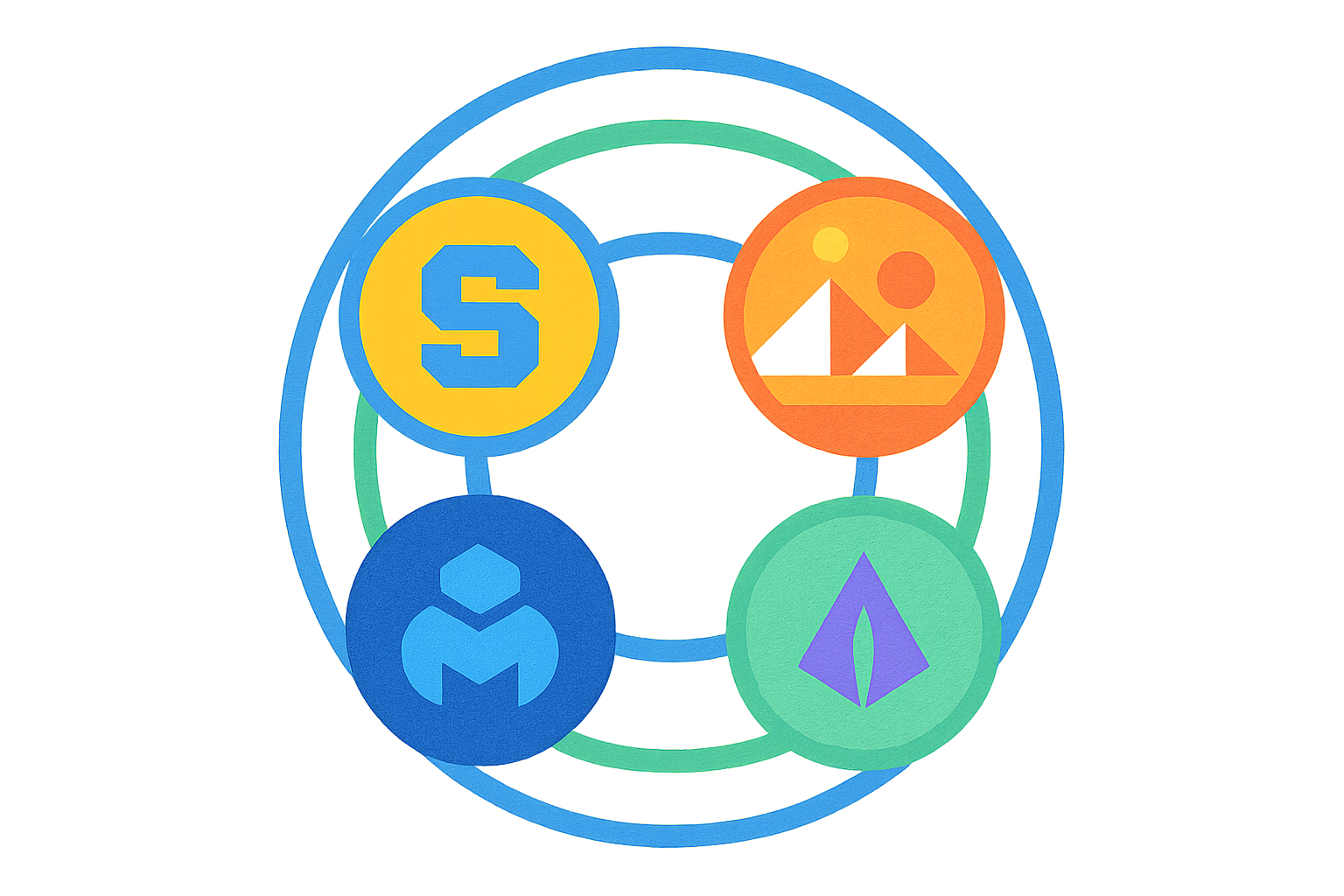
Explore the Top Metaverse Projects in Cryptocurrency for 2024
Exploring Sandbox Coins: Your Gateway to Blockchain Gaming and Virtual Metaverses
Top Metaverse Crypto Projects to Watch in 2024

Leading Metaverse Games of 2024

Revolutionize Football Gaming with Arena of Glory NFT Platform
Dự án Crypto Tiềm Năng trong Thế Giới Metaverse

What is cryptocurrency regulatory compliance and how does SEC oversight affect crypto markets in 2026?

What is on-chain data analysis and how does it predict crypto market movements
What Is the Current Crypto Market Overview: Market Cap Rankings, Trading Volume, and Liquidity Guide 2026
What Do Crypto Derivatives Signals Tell Us About Market Direction: Analyzing Futures Open Interest, Funding Rates, and Liquidation Data
What Crypto Communities Have the Most Active Developers and Highest Ecosystem Growth in 2026