
fomox
MarketsPerpsSpotSwap
Meme
Referral
More
Search Token/Wallet
/

How does crypto compliance and regulatory risk impact token value in 2025?


2026-01-10 07:05:33
Blockchain
Crypto Ecosystem
Crypto Insights
Crypto Tutorial
Cryptocurrency market
Article Rating : 4.5
half-star
164 ratings
This comprehensive guide examines how cryptocurrency compliance and regulatory frameworks directly shape token valuations throughout 2025. The article explores four critical dimensions: the SEC's Howey Test framework that determines securities classification and market confidence; the compliance transparency gap driving 40% token volatility post-announcements; documented regulatory event impacts with tokens experiencing 40%+ cumulative price movements following major disclosures; and cross-jurisdictional coordination between SEC, CFTC, and global standards reducing compliance uncertainty. Institutional investors increasingly prioritize tokens with clear regulatory status, robust audit transparency, and comprehensive KYC/AML implementation, with platforms on regulated exchanges like Gate demonstrating stronger market performance. The article addresses key investor concerns through FAQs covering regulatory shifts, compliance risk assessment, token classification differences, and regional policy variations. Desi
How does crypto compliance and regulatory risk impact token value in 2025?

SEC's Howey Test and Securities Classification: How Regulatory Clarity on Token Status Determines Market Confidence

The Howey Test serves as the foundational framework through which the SEC evaluates whether crypto tokens qualify as securities under U.S. law. Established by the Supreme Court, this four-pronged test examines whether a transaction constitutes an investment contract—determining if an asset involves a monetary investment, expectation of profits from the efforts of others, common enterprise, and lack of commodity or insurance characteristics. When tokens meet all Howey Test criteria, they face comprehensive securities regulations, including registration requirements, disclosure obligations, and anti-fraud provisions. This regulatory clarity fundamentally reshapes market dynamics. Investors gain confidence when token status becomes unambiguous, knowing whether assets operate under securities laws or alternative frameworks. Research indicates that clear classification directly enhances liquidity and encourages institutional participation in digital asset markets. By 2026, tokenized asset markets are projected to exceed trillions of dollars in value, with regulatory clarity as a primary driver. When projects understand their securities classification status through the Howey Test lens, they can structure operations accordingly, reducing compliance uncertainty. This transparency attracts sophisticated investors and institutions previously hesitant due to regulatory ambiguity. Consequently, tokens with clearly defined legal status demonstrate stronger market performance than those operating in uncertain regulatory environments, demonstrating how securities classification through the Howey Test framework directly influences token value and market adoption trajectories.

Audit Report Transparency and KYC/AML Standards: The 2025 Compliance Gap Driving 40% Token Volatility Post-Announcement

The divergence between audit report transparency and KYC/AML standards has emerged as a primary driver of token price instability during 2025. Virtual asset service providers (VASPs) face increasingly stringent regulatory expectations around real-time transaction monitoring and enhanced due diligence, yet audit transparency frameworks remain inconsistent across jurisdictions. While regulators emphasize continuous blockchain analytics integration and bank-grade customer verification, many projects struggle to reconcile varying disclosure requirements with privacy considerations, creating information asymmetries that destabilize valuations.

Market data reveals that compliance announcements trigger approximately 40% token volatility post-announcement, reflecting institutional uncertainty about whether disclosed audit findings signal genuine compliance or merely surface-level regulatory appeasement. Projects implementing robust audit transparency alongside comprehensive KYC/AML infrastructure experience more moderate price reactions, as such measures demonstrate commitment to responsible innovation. Conversely, tokens from platforms with gaps between announced compliance measures and documented audit procedures face steeper corrections when discrepancies surface. The institutional investor hesitation stems from the complexity of evaluating compliance authenticity—enhanced due diligence procedures and blockchain analytics capabilities require technical expertise many market participants lack. This knowledge gap perpetuates volatility cycles, as regulatory announcements become market-moving events rather than stabilizing signals of improved operational governance.

Regulatory Event Impact on Token Valuation: Two-Week Cumulative Price Movements Exceeding 40% Following Major Compliance Disclosures

Major compliance disclosures serve as powerful catalysts for dramatic token valuation shifts. XRP exemplified this dynamic in 2025, experiencing a 2,200% surge when regulatory clarity emerged, followed by a 40% cumulative price increase over two weeks as institutional investors responded to improved certainty. This pattern reveals how regulatory events directly reshape token economics and market behavior.

The mechanism connecting compliance announcements to price movements operates through institutional participation. When exchanges and platforms receive regulatory approval or achieve compliance certifications, they unlock access to institutional capital flows that were previously restricted. This drove sustained buying pressure on tokens across major exchange platforms. Regulatory clarity eliminates the discount investors apply to uncertain assets, effectively repricing tokens to reflect reduced risk premiums.

Post-disclosure price behavior typically follows a consistent pattern: initial sharp movement capturing headline impact, followed by a consolidation phase where volatility decreases. Tokens often stabilize at elevated levels as market participants reassess fundamentals under the new regulatory framework. LINK's consolidation above technical levels exemplified this stabilization following positive sentiment shifts tied to regulatory developments.

The shift toward regulatory enablement rather than enforcement fundamentally altered token valuation frameworks throughout 2025. Markets recognized that compliance infrastructure strengthens institutional adoption prospects, justifying higher valuations. This regulatory-to-valuation transmission mechanism demonstrates why compliance events now rank among the most impactful factors driving token price discovery in 2025's market structure.

Cross-Jurisdictional Compliance Frameworks: Balancing Innovation with Regulatory Requirements Across SEC, CFTC, and Global Standards

The regulatory landscape has fundamentally shifted from jurisdictional competition to strategic cooperation. The SEC and CFTC, historically at odds over asset classification, now coordinate through joint guidance on registered exchanges and spot crypto products. This collaborative stance reduces compliance uncertainty for market participants. The SEC focuses on token classification and securities-law implications, while the CFTC clarifies commodity framework rules and spot product listing standards—creating a dual pathway rather than conflicting mandates.

Building effective cross-jurisdictional compliance frameworks requires firms to apply existing regulatory obligations rigorously rather than awaiting crypto-specific rules. The SEC signals that tokenization and digital asset custody must function as core business capabilities with standards matching traditional securities operations. Simultaneously, the CFTC's Crypto Sprint initiative provides clarity on acceptable spot products and market conduct expectations.

Globally, the Financial Action Task Force establishes binding standards for virtual asset service providers through its recommendations on anti-money laundering and counter-terrorist financing measures. Jurisdictions implementing FATF standards create a baseline compliance floor, enabling firms to build scalable programs meeting international expectations. Companies incorporating robust identity controls, data security protocols, and regulatory reporting standards position themselves advantageously as enforcement intensifies and market adoption accelerates across regulated markets worldwide.

FAQ

What are the major changes in cryptocurrency regulatory environment in 2025? Which countries/regions' policies are most likely to impact token value?

2025 witnessed significant global crypto regulatory shifts. The EU implemented MiCA regulations standardizing rules across member states, while the US strengthened anti-money laundering measures. These policies, along with increased AML and CFT focus, significantly impact token valuations and market adoption rates globally.

How do compliance risks directly impact token market price and liquidity?

Compliance risks directly reduce token prices and liquidity by eroding investor confidence and triggering capital outflows. Regulatory uncertainty limits market participation, increases transaction volume volatility, and causes rapid price corrections. Stricter enforcement policies accelerate devaluation and reduce trading activity significantly.

How to assess the regulatory risk level of a token? What compliance indicators should investors focus on?

Assess regulatory risk by evaluating compliance status, licensing costs, legal jurisdiction adherence, and team regulatory experience. Monitor regulatory announcements, jurisdictional restrictions, and enforcement actions. Key indicators include SEC compliance, AML/KYC implementation, and transparent tokenomics documentation.

What are the differences in regulatory attitudes toward cryptocurrencies in major markets like the US, EU, and Asia, and what is the impact on global token value?

The US applies regulation with partial support, the EU implements MiCA framework for unified rules, and Asia adopts strict prohibition. These divergent approaches create fragmented markets, affecting token liquidity, pricing, and adoption rates globally, with stricter regions experiencing lower valuations.

Which types of tokens face the highest regulatory risk? What are the differences in compliance requirements between Security Tokens (STOs) and Utility Tokens?

Security tokens face the highest regulatory risk and must comply with securities laws. Utility tokens used for platform services avoid securities regulation. STOs require strict compliance with registration, disclosure, and KYC/AML requirements, while utility tokens only need to demonstrate genuine platform functionality without investment characteristics.

* The information is not intended to be and does not constitute financial advice or any other recommendation of any sort offered or endorsed by Gate.

Share

Content

SEC's Howey Test and Securities Classification: How Regulatory Clarity on Token Status Determines Market Confidence

Audit Report Transparency and KYC/AML Standards: The 2025 Compliance Gap Driving 40% Token Volatility Post-Announcement

Regulatory Event Impact on Token Valuation: Two-Week Cumulative Price Movements Exceeding 40% Following Major Compliance Disclosures

Cross-Jurisdictional Compliance Frameworks: Balancing Innovation with Regulatory Requirements Across SEC, CFTC, and Global Standards

FAQ

Related Articles
What is the impact of regulatory compliance and SEC oversight on cryptocurrency market risk?

What is the impact of regulatory compliance and SEC oversight on cryptocurrency market risk?

# Introduction This comprehensive article examines how SEC regulatory compliance and oversight fundamentally reshape cryptocurrency market risk dynamics. It addresses critical concerns for investors, institutional participants, and crypto projects navigating evolving regulatory frameworks. The analysis explores SEC enforcement actions' correlation with market volatility, transparency gaps in exchange audits, KYC/AML adoption disparities across platforms like Gate, and regulatory uncertainty's impact on institutional adoption. By connecting regulatory compliance mechanisms to systemic risk factors, this guide equips stakeholders with actionable insights for risk assessment and compliance strategy. Whether you're an institutional investor, exchange operator, or project developer, understanding these regulatory-market relationships is essential for thriving in today's compliance-driven cryptocurrency ecosystem.
2025-12-28 05:47:51
What is the impact of regulatory compliance and SEC oversight on cryptocurrency market value and investor protection?

What is the impact of regulatory compliance and SEC oversight on cryptocurrency market value and investor protection?

This comprehensive analysis examines how SEC regulatory oversight fundamentally transforms cryptocurrency market dynamics and investor protection mechanisms. The article explores the SEC's regulatory framework's direct impact on market capitalization, trading volume stability, and institutional investor adoption rates. It demonstrates that regulatory clarity drives institutional capital participation while reducing market volatility, contrasting sharply with unregulated segments experiencing extreme price fluctuations. The piece details how compliance transparency, including KYC/AML protocols implemented on platforms like Gate, enhances ecosystem credibility and reduces illicit activities. Through examining enforcement actions and measurable protection mechanisms, the article establishes that regulatory oversight converts compliance from operational burden into stabilizing market force. Finally, comprehensive FAQ sections address jurisdiction scope, compliance requirements, protection mechanisms, and long-ter
2026-01-12 06:56:31
Understanding Cryptographic Hash Functions: A Comprehensive Guide

Understanding Cryptographic Hash Functions: A Comprehensive Guide

This article delves into the significance and functionality of cryptographic hash functions, essential for securing cryptocurrencies and blockchain networks. It explains how these algorithms ensure data integrity, privacy, and security without centralized control. Key topics include the mechanics, purposes, differences from encryption, and features of hash functions, plus their role in cryptocurrency transactions. Designed for technologists and crypto enthusiasts, this guide offers insight into crucial cybersecurity measures, enhancing understanding of decentralized systems and digital privacy.
2025-12-05 04:45:12
Cryptography Fundamentals Explained: Understanding the Basics

Cryptography Fundamentals Explained: Understanding the Basics

"Cryptography Fundamentals Explained" delves into the essential aspects of cryptography, a core component of digital security. Readers will gain insights into encryption methods, historical context, key concepts, and types of cryptographic systems such as symmetric and asymmetric. The article addresses the significance of cryptography in securing digital transactions and communications, appealing to professionals and enthusiasts in cybersecurity and digital literacy. Structured to include definitions, historical evolution, key applications, and contemporary use cases in digital and cryptocurrency systems, it enhances understanding and preparedness against cyber threats.
2025-12-06 06:02:27
Understanding the Basics of Cryptography in Computer Networks

Understanding the Basics of Cryptography in Computer Networks

This article demystifies the fundamentals of cryptography in computer networks, highlighting its critical role in digital security. By discussing its historical evolution, key concepts like encryption, decryption, and key management, it addresses essential cybersecurity needs. The article is tailored for individuals engaging with digital services who seek to understand how cryptography ensures data confidentiality, integrity, authentication, and non-repudiation. Through explaining symmetric and asymmetric cryptographic methods, the content is presented in a logical sequence that enhances comprehension and readability, making it ideal for quick scanning.
2025-12-01 11:54:00
Understanding Cryptocurrency Market Capitalization: Key Insights and Trends
Understanding Cryptocurrency Market Capitalization: Key Insights and Trends

This article offers a deep dive into the concept of cryptocurrency market capitalization, explaining its calculation and significance in evaluating asset value and market trends. Readers will gain insights into assessing growth potential, risk profiles, and overall market sentiment across different crypto categories: large-cap, mid-cap, and small-cap. Key sections include the roles of market cap in trading, data sources like Gate, and nuances like realized market cap. Ideal for traders seeking enhanced knowledge to make informed investment decisions.
2025-11-29 06:13:29
Recommended for You
Actively Validated Services (AVS): Boosting Security for Blockchains

Actively Validated Services (AVS): Boosting Security for Blockchains

This comprehensive guide explores Actively Validated Services (AVS), a transformative security innovation reshaping the Web3 ecosystem. AVS operates through continuous real-time monitoring, automated testing, and anomaly detection to proactively protect blockchain networks and applications. The article examines how AVS leverages Ethereum's security infrastructure via restaking, enabling validators to simultaneously secure multiple services while reducing costs and enhancing scalability. Key implementations like EigenDA, Eoracle, and Witness Chain demonstrate AVS's diverse applications across data availability, oracles, and validation. While AVS significantly strengthens security, regulatory compliance, and performance reliability, deployment involves challenges including operational complexity and Ethereum dependence. This guide provides developers, validators, and blockchain enthusiasts with essential insights into AVS importance for mainstream blockchain adoption.
2026-01-12 10:27:51
What Is $CAR Coin? How to Buy the Central African Republic's Meme Coin Experiment
What Is $CAR Coin? How to Buy the Central African Republic's Meme Coin Experiment

Learn how to buy Central African Republic Meme (CAR), a nationally-themed meme token built on Solana blockchain. This comprehensive guide covers CAR's explosive 7,786% surge following launch, its unique value proposition combining financial inclusion with cultural representation, and step-by-step purchasing instructions on Gate exchange. Discover key features including high-profit potential, strong market demand, and transparent blockchain transactions. Understand critical red flags including deepfake concerns and missing official confirmation. Perfect for investors seeking exposure to emerging digital assets in developing markets. Navigate volatility risks, deposit methods, trading pairs, and security protocols. Explore CAR's vision for blockchain adoption and financial empowerment while conducting thorough due diligence on this speculative investment opportunity.
2026-01-12 10:25:45
Explained: What Do the Ethereum Merge and Fork Entail?

Explained: What Do the Ethereum Merge and Fork Entail?

This comprehensive guide explores the Ethereum Merge, a historic transition from Proof of Work to Proof of Stake that fundamentally transforms blockchain validation. The article addresses why Ethereum adopted PoS to solve scalability and environmental challenges, reducing energy consumption by 99.95% while improving network security and decentralization. It examines the Merge's economic implications, including ETH's shift toward deflation and potential price support. The guide covers fork mechanisms, helping users understand how to secure fork tokens and capitalize on staking opportunities. Whether you're an investor, miner, or developer, this resource provides actionable strategies for navigating the post-Merge ecosystem and maximizing returns through informed participation on platforms like Gate.
2026-01-12 10:23:04
Bubblemaps (BMT) Listing Guide: Launch Date, Key Details, and Price Prediction
Bubblemaps (BMT) Listing Guide: Launch Date, Key Details, and Price Prediction

Bubblemaps (BMT) is a blockchain analytics platform launching its native token on Gate exchange in early 2025, transforming complex on-chain data into interactive visual maps. This comprehensive guide covers the BMT token listing schedule, trading information, and platform fundamentals including its innovative bubble visualization system and Intel Desk investigation framework. The platform democratizes blockchain intelligence through visual representation, enabling users to identify suspicious token activity, analyze tokenomics, and participate in community-driven fraud detection. Key features include real-time wallet monitoring, cross-chain analytics, and AI-powered pattern recognition tools. With strong backing from major blockchain networks and a mission to bring transparency to cryptocurrency markets, Bubblemaps positions itself as essential infrastructure for both retail and institutional investors navigating the evolving multi-chain ecosystem.
2026-01-12 10:21:05
How to Create and Deposit Funds in Your BWB Wallet
How to Create and Deposit Funds in Your BWB Wallet

Secure Bitcoin Wallet Creation Guide. This comprehensive manual for Web3 users provides beginners with clear instructions on setting up the BWB Wallet, making deposits, and managing private keys. Fully compatible with Base Chain and featuring robust security protocols, it’s an essential resource for anyone in the blockchain space.
2026-01-12 10:17:31
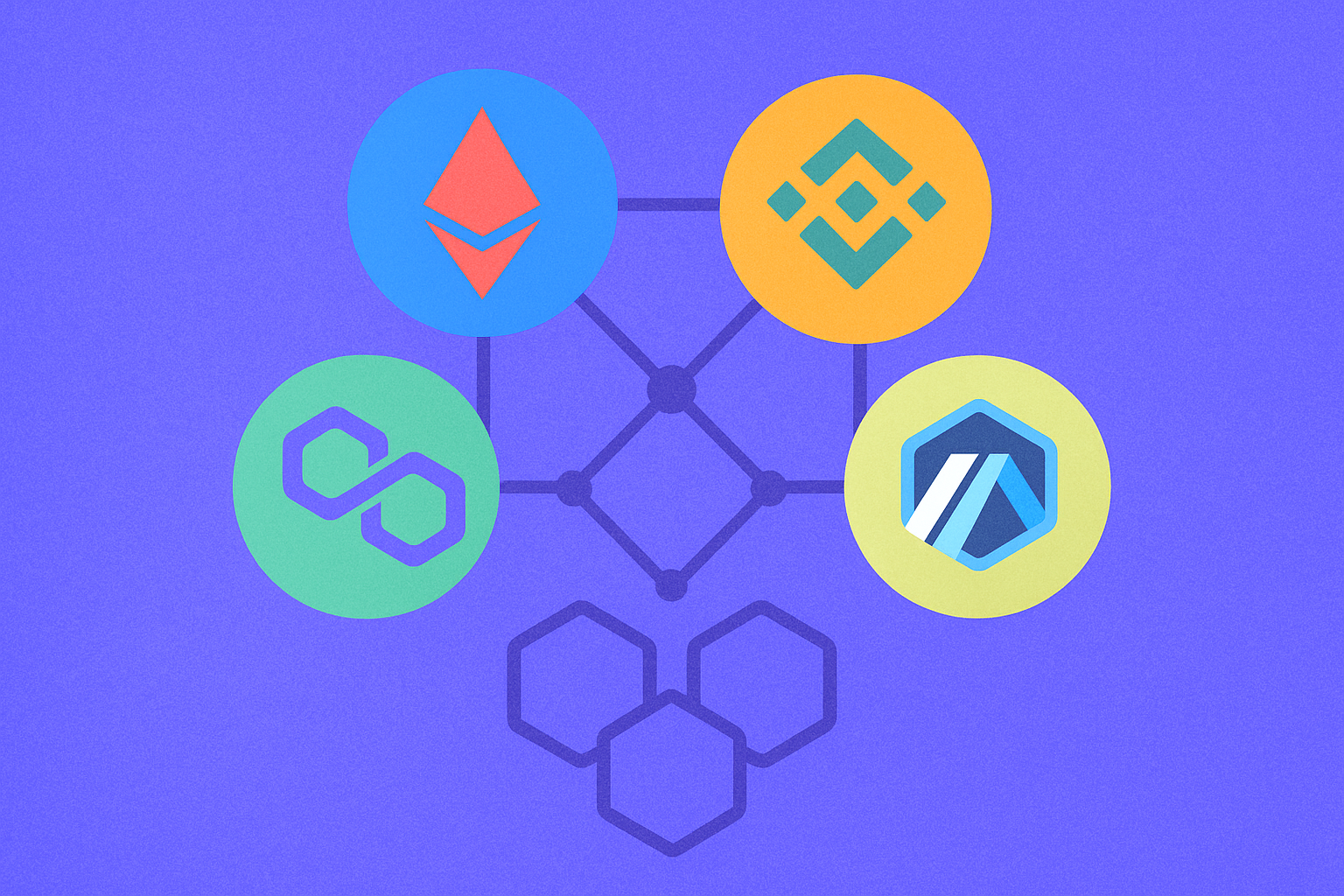
Leading Wallet Platform Migrates NFT Market to Seaport Protocol, Reducing Gas Fees by Over 50%

Leading Wallet Platform Migrates NFT Market to Seaport Protocol, Reducing Gas Fees by Over 50%

Discover how a strategic migration to Seaport protocol cuts NFT gas fees by over 50% across multiple blockchain networks. This article explores the technical breakthrough that addresses the NFT ecosystem's most pressing challenge: high transaction costs. Learn how the optimized marketplace protocol reduces computational requirements while maintaining security and efficiency for traders and collectors. The implementation spans major networks including Ethereum, BNB Chain, Polygon, and Arbitrum, with Seaport's decentralized architecture ensuring true protocol ownership and scalability. Understand the practical benefits of reduced barriers to entry, enhanced user experience through flexible payment options, and increased market liquidity. Whether you're an experienced collector or exploring digital assets, this protocol upgrade makes NFT participation more economically viable and accessible than ever before.
2026-01-12 10:15:43