How Long Do Litecoin Transactions Take?
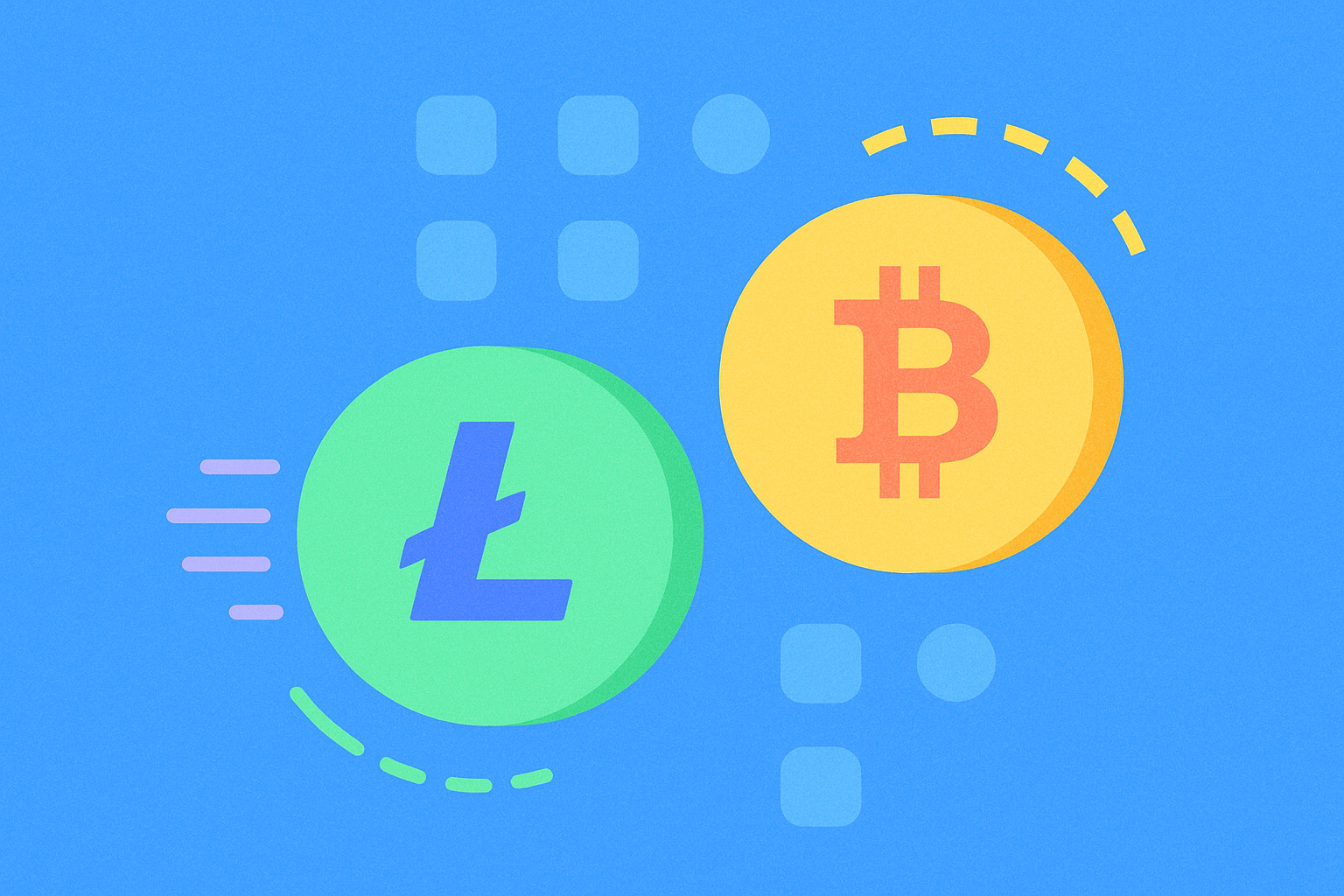
How Long Do Litecoin Transactions Take? An Introduction
If you're new to Litecoin (LTC), one of the first questions you might ask is: how long do Litecoin transactions take? In the fast-paced world of cryptocurrencies, speedy transactions are crucial for both traders and everyday users. Litecoin, known for its faster block times compared to Bitcoin, offers a quick and efficient payment solution.
Understanding Litecoin transaction timing is essential for anyone looking to use this cryptocurrency effectively. Whether you're sending payments, trading on platforms, or simply exploring digital assets, knowing what to expect in terms of transaction speed can help you plan better and avoid unnecessary concerns. This article explores how Litecoin's transaction timing works, what affects confirmation speeds, and what you should know before sending or receiving LTC. We'll dive into the technical aspects of block times, examine real-world factors that influence speed, and provide practical insights for optimizing your Litecoin transfers.
Understanding Litecoin Block Times and Confirmations
Litecoin is an open-source cryptocurrency, often nicknamed "digital silver" due to its relationship with Bitcoin as "digital gold." Its network is designed specifically for speed and low transaction costs, making it an attractive option for everyday payments and transfers. Every blockchain transaction must be confirmed by miners through a process called mining—here's why that matters for transaction speed:
- Block time: On average, a new block is mined every 2.5 minutes on the Litecoin network. This is four times faster than Bitcoin, which has a 10-minute block interval. This fundamental difference in block generation speed is one of Litecoin's key advantages.
- Transaction confirmation: Each time a block is mined, pending transactions waiting in the mempool (memory pool) are included in that block and receive their first confirmation. The mempool acts as a waiting area for unconfirmed transactions.
- Typical speed: Most Litecoin transactions receive their first confirmation within 2-3 minutes under normal network conditions. This rapid confirmation time makes Litecoin suitable for point-of-sale transactions and other time-sensitive applications.
| Cryptocurrency | Average Block Time | 1 Confirmation Time |
|---|---|---|
| Bitcoin | 10 minutes | 10 minutes |
| Litecoin | 2.5 minutes | 2-3 minutes |
Litecoin's short block intervals make it appealing for everyday and business use.
The faster block time doesn't just mean quicker first confirmations—it also means that achieving multiple confirmations (which provide greater security assurance) takes less time overall. For example, six confirmations on Litecoin take approximately 15 minutes, while the same number of confirmations on Bitcoin would require about 60 minutes. This efficiency is particularly valuable for merchants and service providers who need to balance transaction security with customer experience.
Factors That Influence Litecoin Transaction Speeds
Several variables affect how long a Litecoin transaction really takes, even with the network's inherently faster block times. Understanding these factors can help you optimize your transaction experience and set realistic expectations:
- Network congestion: If many users send transactions simultaneously, the network can become crowded and your transaction might take longer to be included in a block. During periods of high activity, such as market volatility or major news events, the mempool can fill up with pending transactions competing for inclusion.
- Transaction fees: Higher fees can incentivize miners to prioritize your transaction over others with lower fees. Miners typically select transactions with higher fees first when constructing new blocks. Low-fee transactions might be delayed or take several blocks to confirm, especially during busy periods.
- Number of confirmations: Most platforms and wallets require between 2 and 6 confirmations to process withdrawals or deposits. More confirmations mean greater security against potential double-spending attacks but result in longer wait times. The number of required confirmations often depends on the transaction value—larger amounts typically require more confirmations.
- Wallet software: Intuitive wallets often use dynamic fee adjustment algorithms and help users navigate transaction speeds efficiently. Modern wallet applications can analyze current network conditions and recommend appropriate fee levels to achieve desired confirmation times.
For most users, a regular LTC transaction with standard fees should reflect in the recipient's wallet within 2–10 minutes. The transaction will typically appear as "pending" or "unconfirmed" almost immediately, but the funds won't be fully spendable until sufficient confirmations are received. If your transfer is taking longer than expected, it's likely due to network congestion or a low fee selection. In rare cases, network maintenance or protocol updates might temporarily affect transaction processing times.
Additionally, the size of your transaction in bytes (determined by the number of inputs and outputs) can affect the required fee. Transactions that consolidate many small inputs require more data space in a block and therefore need higher fees to achieve the same priority as simpler transactions.
Ongoing Developments, Project Updates, and Speed Comparisons
Litecoin continuously evolves its protocol to enhance speed, security, and user experience. Understanding these developments helps contextualize the network's performance:
- Protocol updates: The MWEB (MimbleWimble Extension Blocks) upgrade introduced optional privacy features that allow users to conduct confidential transactions. While this upgrade enhanced privacy capabilities, it did not significantly impact transaction speed on the main Litecoin chain. Users can choose to use MWEB for privacy-focused transactions or stick with regular transactions for maximum speed.
- Performance statistics: The average Litecoin transaction time has remained stable around 2.5–3 minutes, even during fluctuating market activity in recent years. This consistency demonstrates the network's reliability and robust infrastructure. The Litecoin network has successfully maintained its performance characteristics through various market cycles and adoption phases.
- Cross-network comparisons: On-chain, LTC is significantly faster than Bitcoin and performs on par with other fast-payment coins like Dogecoin. However, newer networks like Solana and Polygon may process thousands of transactions per second, but with different trade-offs regarding decentralization, network security, and proven track record. Litecoin prioritizes a balance between speed, security, and decentralization.
| Network | Avg. Confirmation Time | Notable Highlights |
|---|---|---|
| Litecoin | 2-3 minutes | Reliable, low fees, easy to use |
| Solana | <1 second | Ultra-fast, sometimes congested |
| Ethereum | 5-15 minutes | Can speed up with high gas fees |
When evaluating transaction speeds, it's important to consider the entire ecosystem. While some networks offer faster raw transaction speeds, Litecoin's combination of speed, security, established infrastructure, and widespread adoption makes it a practical choice for real-world use cases. The network has maintained consistent performance over many years, demonstrating its reliability and resilience.
Tips for Fast and Reliable Litecoin Transfers
To ensure your Litecoin transactions process quickly and smoothly, consider these practical recommendations:
- Use dynamic fee adjustment: Always opt for the recommended or priority fee setting during busy network periods. Most modern wallets provide fee estimation tools that analyze current network conditions and suggest appropriate fee levels. While you can manually set lower fees to save costs, this may result in delayed confirmations.
- Monitor network status: Blockchain explorers offer live network data on block times, mempool size, and current congestion levels. Websites and tools dedicated to Litecoin network statistics can help you time your transactions for optimal speed. Checking these resources before sending large or time-sensitive transactions is a good practice.
- Choose reliable platforms: When using service providers, select those known for fast withdrawal and deposit processing. Some platforms process transactions in batches or have additional internal verification steps that can add to total transfer time. Reading user reviews and checking platform policies can help you identify the most efficient options.
- Stay updated on protocol changes: Network upgrades may affect transaction speed, costs, or functionality. Following official Litecoin channels, community forums, and development updates helps you stay informed about changes that might impact your transactions. Major updates are typically announced well in advance, giving users time to prepare.
- Verify addresses carefully: While not directly related to speed, sending to an incorrect address can result in permanent loss of funds. Double-checking recipient addresses before confirming transactions prevents costly mistakes that no amount of speed can fix.
- Consider transaction timing: If your transaction isn't urgent, sending during periods of lower network activity (typically during off-peak hours in major markets) can result in faster confirmations with lower fees.
Final Thoughts: Navigating LTC Transfers with Confidence
Whether you're sending LTC for the first time or managing regular payments, understanding how long do Litecoin transactions take helps you plan and act confidently in the cryptocurrency space. For most transfers, expect 2–10 minutes for completed confirmations—faster than Bitcoin and highly consistent over time.
Litecoin's proven track record, established infrastructure, and focus on practical usability make it a reliable choice for both newcomers and experienced cryptocurrency users. The network's 2.5-minute block time strikes an effective balance between speed and security, providing quick confirmations without sacrificing the decentralization and robustness that make cryptocurrencies valuable.
Stay informed about network trends, always double-check fee settings for the smoothest Litecoin experience, and remember that while speed is important, security and reliability are equally crucial factors in cryptocurrency transactions. By understanding the factors that influence transaction times and following best practices, you can maximize the efficiency of your Litecoin transfers while maintaining the security and confidence that comes with using a well-established cryptocurrency network.
FAQ
How long do Litecoin transactions typically take to confirm?
Litecoin transactions typically confirm within 2.5 minutes. During peak periods, confirmation times may extend slightly, but generally remain fast. If withdrawals take longer from exchanges, it's due to exchange backend processing, not Litecoin itself.
What are the main factors affecting Litecoin transaction speed?
Litecoin transaction speed is primarily affected by network congestion and transaction amount. The Scrypt algorithm enables faster block generation compared to Bitcoin. Higher transaction volume increases confirmation time, while lower network traffic accelerates processing.
Litecoin transaction speed advantages compared to Bitcoin?
Litecoin processes transactions approximately 4 times faster than Bitcoin, with quicker block confirmation times. This makes Litecoin more suitable for everyday payments and offers lower transaction fees overall.
How to speed up Litecoin transaction confirmation?
Pay higher transaction fees to prioritize your transaction. During network congestion, higher fees ensure faster confirmation. Lower fees may result in longer wait times as miners prioritize transactions with better fees.
What is the relationship between Litecoin transaction fees and transaction speed?
Higher transaction fees attract miners to prioritize your transaction, resulting in faster confirmation times. Lower fees may experience longer wait times as miners process higher-fee transactions first.
What is the average block time for Litecoin?
Litecoin's average block time is approximately 2-4 minutes, which has remained stable over the past three years. This is significantly faster than Bitcoin's 10-minute average block time.

Understanding Bitcoin ATMs: A Comprehensive Guide

Unlocking the Power of Bitcoin: A Guide to Cryptocurrency Payment Methods

Utilizing Digital Currency for Seamless Transactions

Exploring Secure Digital Payment Solutions
Secure & Simple Solutions for Digital Currency Transactions
Exploring Efficient Bitcoin Payment Solutions

What Will Shiba Inu Be Worth in 2030?
How to Sell Crypto on Trust Wallet

Is Gold Cheaper in Mexico: Crypto Market Insights
How Much Bitcoin Does BlackRock Own: Latest Data & Insights
How Much Bitcoin Does Elon Musk Own? Elon Musk's Bitcoin Holdings, Tweets & Investment Strategy