LCP_hide_placeholder
fomox
MarketsPerpsSpotSwapMeme Referral
More
Smart Money Recruitment
Search Token/Wallet
/

How to Buy and Sell Ethereum in the UK
2026-01-20 05:23:22
Crypto Trading
Ethereum
How to buy crypto
Investing In Crypto
Web3 wallet
Article Rating : 3
143 ratings
This comprehensive guide helps UK residents securely purchase and trade Ethereum on FCA-regulated platforms. It covers essential steps including account setup with identity verification, funding through bank transfers or payment cards, and executing buy/sell orders using market or limit orders. The guide emphasizes security through two-factor authentication and hardware wallets for significant holdings, while addressing UK-specific considerations like Capital Gains Tax compliance and withdrawal procedures. Key sections include selecting reputable exchanges, understanding trading fees and spreads, implementing risk management strategies such as dollar-cost averaging, and maintaining detailed transaction records for HMRC reporting. Designed for both beginners starting with small amounts and experienced traders, this resource provides practical tips on market research, price alerts, and responsible investment practices. The FAQ section answers critical questions about payment methods, tax obligations, storage so
How to Buy and Sell Ethereum in the UK

Setting Up Your Account

The first step in buying and selling Ethereum in the UK is to establish an account on a cryptocurrency exchange platform. The UK market offers access to various reputable exchanges that facilitate Ethereum trading, and it's crucial to select a platform that is authorized by the Financial Conduct Authority (FCA) for added security and regulatory compliance. image_url
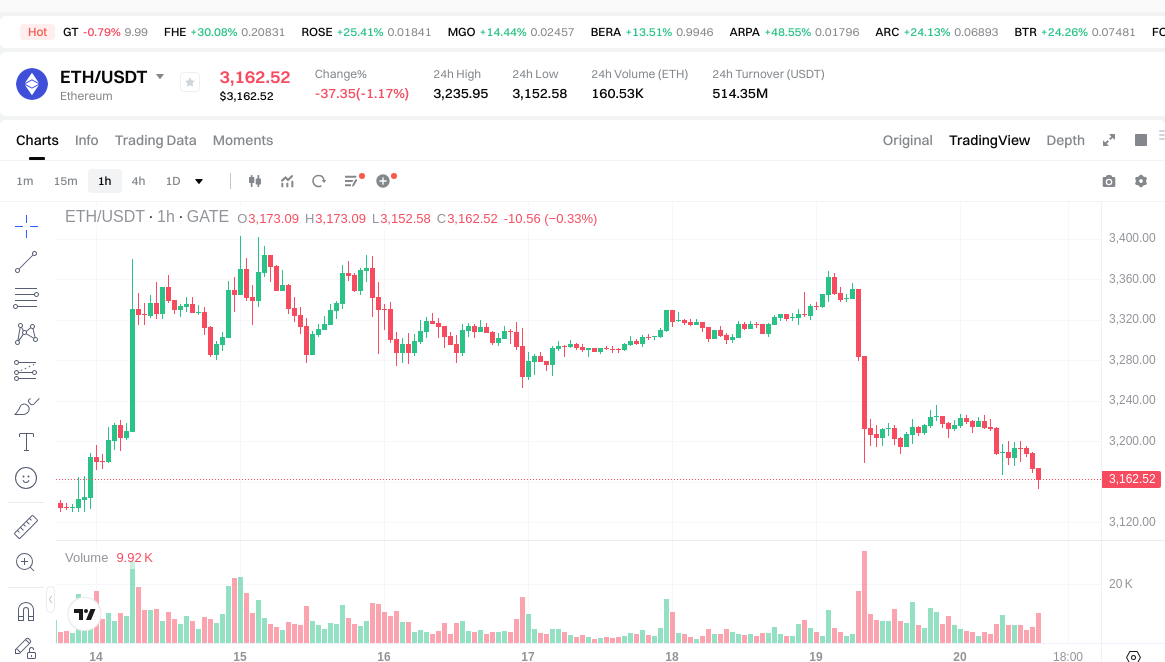
When choosing an exchange, consider several key factors: the platform's reputation in the cryptocurrency community, security measures such as cold storage and insurance coverage, user interface simplicity, and customer support availability. Leading UK-based and international exchanges provide robust trading infrastructure for Ethereum transactions.

The account setup process typically requires identity verification to comply with Know Your Customer (KYC) and Anti-Money Laundering (AML) regulations. You will need to provide:

  • A valid government-issued photo ID (passport or driving license)
  • Proof of address (utility bill or bank statement dated within the last three months)
  • In some cases, a selfie for facial verification

The verification process usually takes between a few hours to several days, depending on the platform and current application volume. Once verified, you'll gain full access to trading features and higher transaction limits.

Buying Ethereum

Once your account is set up and verified, you can begin purchasing Ethereum through multiple methods tailored to UK residents. The most common approach is to fund your account with British Pounds (GBP) through bank transfer, which typically offers the lowest fees. Most platforms support Faster Payments, allowing deposits to arrive within minutes to a few hours.

Alternatively, many exchanges enable direct Ethereum purchases using credit or debit cards. While this method offers immediate access to cryptocurrency, it generally incurs higher fees (typically 3-5%) compared to bank transfers. Some platforms also accept payment methods such as PayPal or Apple Pay for added convenience.

Before executing a purchase, carefully review the following:

  • Current exchange rate: Ethereum prices fluctuate constantly, so timing can significantly impact your investment
  • Trading fees: These vary between platforms, ranging from 0.1% to 2% per transaction
  • Spread: The difference between buying and selling prices
  • Minimum purchase amount: Some platforms require minimum deposits

For beginners, consider using the "market order" option, which executes your purchase immediately at the current market price. More experienced traders might prefer "limit orders," allowing you to specify the exact price at which you want to buy Ethereum.

Selling Ethereum

Selling Ethereum follows a similar process to buying, but in reverse. Navigate to the trading section of your chosen exchange and select the amount of Ethereum you wish to sell. You can choose between different order types:

Market Order: Sells your Ethereum immediately at the current market price. This is the fastest option but may result in slight price variations during high volatility periods.

Limit Order: Allows you to set a specific price at which you want to sell. The order will only execute when the market reaches your target price. This gives you more control but may result in delayed execution or no execution if the price doesn't reach your target.

Stop-Loss Order: Automatically sells your Ethereum if the price drops to a specified level, helping to limit potential losses.

Once your sell order is matched with a buyer, the transaction is completed, and the proceeds (in GBP) are credited to your exchange account. You can then withdraw these funds to your UK bank account, which typically takes 1-3 business days depending on your bank and the exchange's withdrawal processing times.

Some platforms charge withdrawal fees, so factor these into your profit calculations. It's also important to keep records of all transactions for tax reporting purposes, as cryptocurrency gains may be subject to Capital Gains Tax in the UK.

Tips for Buying and Selling Ethereum

Successful Ethereum trading in the UK requires a combination of market knowledge, security awareness, and strategic planning. Here are essential tips to enhance your trading experience:

Conduct Thorough Research: Before making any investment decisions, understand Ethereum's fundamentals, including its technology (smart contracts and decentralized applications), market position, and potential use cases. Follow reputable cryptocurrency news sources and analyze market trends to make informed decisions. Consider factors such as network upgrades, regulatory developments, and institutional adoption that may impact Ethereum's price.

Implement Strong Security Measures: Enable two-factor authentication (2FA) on your exchange account using an authenticator app rather than SMS, as it provides better security. Consider using a hardware wallet for long-term storage of significant Ethereum holdings, as keeping large amounts on exchanges exposes you to platform security risks. Never share your private keys or seed phrases with anyone.

Set Price Alerts: Most exchanges offer price alert features that notify you via email or mobile notification when Ethereum reaches specific price points. This allows you to capitalize on favorable buying or selling opportunities without constantly monitoring the market. Set alerts for both target purchase prices and potential selling points based on your investment strategy.

Practice Dollar-Cost Averaging: Instead of investing a large sum at once, consider spreading your purchases over time. This strategy, known as dollar-cost averaging, helps mitigate the impact of market volatility by averaging out your purchase price over multiple transactions.

Understand Tax Implications: In the UK, cryptocurrency transactions may be subject to Capital Gains Tax. Keep detailed records of all purchases, sales, and the corresponding GBP values. Consider consulting with a tax professional familiar with cryptocurrency taxation to ensure compliance with HMRC regulations.

Start Small: If you're new to cryptocurrency trading, begin with small amounts you can afford to lose. This allows you to learn the platform mechanics and market dynamics without risking significant capital.

Conclusion

Buying and selling Ethereum in the UK presents an exciting investment opportunity within the growing digital asset ecosystem. However, success requires approaching cryptocurrency trading with careful planning, thorough research, and a clear understanding of both the opportunities and risks involved.

By following the steps outlined in this guide—from selecting a reputable and FCA-authorized exchange, through the account setup and verification process, to executing your first trades—you can navigate the Ethereum market with greater confidence. Remember to prioritize security through measures such as two-factor authentication and hardware wallets for significant holdings.

The UK's regulatory framework, overseen by the Financial Conduct Authority, provides a level of protection for cryptocurrency investors, but it's essential to remain vigilant and informed. Stay updated on market developments, understand the tax implications of your trading activities, and never invest more than you can afford to lose.

Whether you're looking to make a long-term investment in Ethereum's blockchain technology or engage in more active trading, the key to success lies in continuous learning, disciplined strategy, and responsible risk management. As the cryptocurrency market continues to evolve, those who approach it with diligence and informed decision-making are best positioned to potentially benefit from this transformative financial technology.

FAQ

What conditions and requirements must be met to buy Ethereum in the UK?

To buy Ethereum in the UK, you need a valid ID for verification, a UK bank account or payment method, and meet minimum age requirements (18+). Complete KYC procedures and ensure compliance with local regulations. Have a secure digital wallet ready to receive your Ethereum.

UK traders access Ethereum through various platforms offering different features. Key differences include trading fees, payment methods, user interface complexity, and supported features like staking or derivatives. Platforms vary in regulatory compliance, liquidity levels, and customer support quality. Choose based on your needs for beginners-friendly interfaces, competitive fees, or advanced trading tools.

What payment methods are supported for buying Ethereum in the UK?

In the UK, you can purchase Ethereum using bank transfers, debit cards, credit cards, and e-wallets like PayPal. Some platforms also accept Apple Pay and Google Pay for convenient mobile transactions.

How much tax do I need to pay when selling Ethereum in the UK?

In the UK, Ethereum sales are subject to Capital Gains Tax (CGT). You pay CGT on profits above the annual exemption threshold (£3,000 for 2025/26). Tax rates are 10-20% depending on your income level. Report transactions to HMRC through Self Assessment.

What security considerations should I keep in mind when buying and selling Ethereum in the UK?

Enable two-factor authentication on your account, use strong passwords, verify wallet addresses before transactions, keep private keys secure offline, use reputable platforms, and never share sensitive information. Always double-check transaction details before confirming to prevent fraud or loss.

What are typical fees and costs when buying Ethereum in the UK?

Typical UK Ethereum purchase costs include network fees (gas) ranging from £5-50 depending on network congestion, and platform fees typically 1-2% of transaction amount. Total costs vary based on purchase amount and market conditions.

How can beginners safely store and manage Ethereum purchased in the UK?

Use hardware wallets like Ledger or Trezor for maximum security. Enable two-factor authentication on software wallets. Never share private keys or seed phrases. Consider starting with smaller amounts while learning. Store backup recovery phrases offline in a secure location.

* The information is not intended to be and does not constitute financial advice or any other recommendation of any sort offered or endorsed by Gate.

Share

Content

Buying Ethereum

Selling Ethereum

Tips for Buying and Selling Ethereum

Conclusion

FAQ

Related Articles
Understanding KYC in the Cryptocurrency World

Understanding KYC in the Cryptocurrency World

This article addresses the significance of Know Your Customer (KYC) procedures in the rapidly evolving cryptocurrency landscape. It elucidates how KYC aids in regulatory compliance, enhancing legitimacy, and curbing financial crimes on platforms like Gate. Readers will discover the workings, benefits, and drawbacks of KYC, including privacy and access issues. The article also presents alternatives for privacy-focused traders, such as decentralized platforms, and explores how self-custodial wallets function without KYC. With a balanced view on KYC's impact, this comprehensive guide serves crypto enthusiasts navigating centralized and decentralized exchanges.
2025-11-27 07:44:13
Comparison of Cryptocurrency Exchange Platforms
Comparison of Cryptocurrency Exchange Platforms

Find out how to select the ideal cryptocurrency exchange with our in-depth comparison of Gate and Bitget. Get expert advice on managing your crypto holdings by leveraging exchanges and wallets effectively. Make smart decisions to ensure maximum security and liquidity for your digital assets.
2025-11-20 12:02:17
Buy U.S. Stocks with Crypto: How to Use xStock Feature in Web3 Wallets

Buy U.S. Stocks with Crypto: How to Use xStock Feature in Web3 Wallets

This comprehensive guide explores how crypto users can seamlessly invest in U.S. stocks using Web3 wallets, eliminating traditional banking barriers. The article addresses the growing demand among cryptocurrency holders to diversify into equities like Apple, Tesla, and Microsoft through tokenized stocks backed by real assets. Learn how xStock functionality enables instant purchases using USDT, USDC, or SOL directly within your wallet—without yen conversion, complex brokerage accounts, or multi-day settlements. Perfect for Japanese investors seeking fast, transparent access to global equity markets. The guide covers step-by-step trading instructions, portfolio tracking, regulatory considerations, and essential risk factors. Discover how blockchain technology bridges traditional finance and Web3, empowering crypto-native users to build unified investment portfolios spanning both digital assets and world-class companies in one convenient platform.
2026-01-11 20:34:09
Download and Set Up a Secure Cryptocurrency Wallet

Download and Set Up a Secure Cryptocurrency Wallet

This article provides a comprehensive overview of MetaMask, a leading self-custodial cryptocurrency wallet for Ethereum and compatible blockchains. It covers the essential features of MetaMask, including secure asset storage, integration with decentralized applications (dApps), and internal buy-swap functionalities. The article guides users through a straightforward setup process and highlights the pros and cons of using MetaMask. It addresses common questions about safety, legality in the USA, and how to secure crypto assets effectively. Ideal for both beginners and seasoned crypto enthusiasts, this article serves as a practical guide to navigating the Ethereum ecosystem.
2025-11-28 04:08:01
Understanding Dollar Cost Averaging in Cryptocurrency Investments

Understanding Dollar Cost Averaging in Cryptocurrency Investments

Dollar Cost Averaging (DCA) in cryptocurrency is a strategy that mitigates volatility by consistently purchasing assets over time. This article covers DCA mechanics, its advantages like risk reduction, and disadvantages such as transaction fees. Designed for long-term investors, it compares DCA with other strategies like lump-sum and leverage trading. Key elements include understanding DCA's impact on investment outcomes and its relevance amidst crypto market fluctuations. Ideal for those seeking systematic asset accumulation and risk management, the article prioritizes accessible insights into prudent investing.
2025-12-04 07:48:19
Understanding KYC in Cryptocurrency Compliance

Understanding KYC in Cryptocurrency Compliance

The article provides an in-depth look at KYC procedures in cryptocurrency compliance, focusing primarily on their significance for centralized exchanges like Gate. It explores the necessity of KYC in adhering to AML and CFT guidelines, ensuring user accountability, and preventing illicit activities. Readers will gain insight into how KYC works, its pros and cons, and alternatives like decentralized platforms for users prioritizing privacy. This guide is essential for crypto traders seeking knowledge on regulatory compliance, personal asset security challenges, and available options in the market.
2025-12-03 09:34:41
Recommended for You
How to Find New Crypto Coins Early

How to Find New Crypto Coins Early

This comprehensive guide enables crypto investors to identify emerging cryptocurrencies early through five proven strategies. First, conduct rigorous research and due diligence by analyzing whitepapers, team credentials, tokenomics, and security audits to assess project legitimacy. Second, join active crypto communities on Reddit, Telegram, and Discord where promising projects are discussed before mainstream adoption. Third, follow industry experts and technical analysts on social media for valuable insights while maintaining critical evaluation. Fourth, participate strategically in token sales and airdrops to acquire new coins early, ensuring KYC compliance and legitimate projects. Finally, monitor emerging trends in DeFi, NFTs, and blockchain interoperability to identify high-growth sectors. By combining research, networking, and trend analysis while remaining vigilant against scams, investors can discover valuable opportunities early while managing cryptocurrency's inherent risks through diversification an
2026-01-20 07:02:05
What Is a Token Tokenomics Model and How Do Token Distribution, Inflation, and Governance Mechanisms Work?

What Is a Token Tokenomics Model and How Do Token Distribution, Inflation, and Governance Mechanisms Work?

This article provides a comprehensive guide to tokenomics models, exploring how successful projects design sustainable token ecosystems. It examines token distribution architecture across teams, investors, and communities, demonstrating how balanced allocation prevents concentration while supporting project development. The piece analyzes inflation and deflation mechanisms as complementary forces that maintain supply sustainability and value stability. Token burn strategies are detailed as effective tools for managing supply and countering inflationary pressures. Finally, the article explores governance rights integration, showing how tokens embed voting power to align holder interests with ecosystem decisions. Through real-world examples like Realio Network across multiple blockchain platforms including Gate, readers gain practical insights into designing reasonable tokenomics that ensure long-term viability and stakeholder confidence.
2026-01-20 07:01:46
What do crypto derivatives market signals reveal about futures open interest, funding rates, and liquidation data

What do crypto derivatives market signals reveal about futures open interest, funding rates, and liquidation data

This comprehensive guide reveals how crypto derivatives market signals expose hidden market dynamics through futures open interest, funding rates, and liquidation data. Explore how position accumulation patterns identify market turning points, while positive funding rates signal overleveraged conditions preceding corrections. Understand long-short ratio shifts that anticipate whale positioning and directional moves before major price rallies or declines. Discover how liquidation cascades across futures and options layers amplify volatility and predict market structure breaks. Whether monitoring derivatives data on Gate or analyzing extreme funding rate spikes, traders gain actionable signals for timing entries, managing leverage risk, and capitalizing on sentiment reversals. Perfect for derivatives traders seeking to transform market data into profitable trading strategies.
2026-01-20 06:55:58
What is a token economics model and how does allocation, inflation, and governance work in crypto projects?
What is a token economics model and how does allocation, inflation, and governance work in crypto projects?

This comprehensive guide explores token economics models—the foundational framework determining cryptocurrency project success through three critical pillars. The article examines token allocation strategies balancing team, investor, and community distributions with vesting mechanisms to align incentives. It analyzes inflation and deflationary mechanics that preserve token value while maintaining ecosystem sustainability, including burn protocols that reduce supply over time. The guide details governance token utility, explaining how voting power mechanisms enable community participation in protocol decisions. Additionally, it addresses common challenges like preventing hyperinflation, avoiding wealth concentration, and designing sustainable tokenomics that reward long-term participation over speculation. Perfect for investors, project teams, and community members seeking to understand how successful crypto projects structure token distribution, manage supply dynamics, and implement governance frameworks on G
2026-01-20 06:54:07
What is crypto holdings and fund flows: exchange inflows, concentration, staking rates and lock-up analysis
What is crypto holdings and fund flows: exchange inflows, concentration, staking rates and lock-up analysis

This article provides a comprehensive framework for analyzing cryptocurrency holdings and fund flows across four critical dimensions. It examines exchange inflows and outflows as indicators of market sentiment and capital movement patterns, analyzes holder concentration dynamics to assess distribution risk, and explores staking participation and lock-up mechanisms that reveal investor commitment strategies. The guide also covers institutional positioning shifts and their market implications. By tracking these on-chain metrics through platforms like Gate, investors and analysts gain actionable intelligence on liquidity distribution, potential price movements, and market structure health. This integrated approach transforms raw blockchain data into strategic insights for identifying accumulation phases, managing concentration risk, and optimizing fund flow analysis across cryptocurrency markets.
2026-01-20 06:52:31
What is a token economics model and how does crypto distribution, inflation design, and governance mechanisms work

What is a token economics model and how does crypto distribution, inflation design, and governance mechanisms work

This article provides a comprehensive guide to token economics models, examining how cryptocurrency projects design sustainable ecosystems through strategic token management. The content addresses three critical dimensions: token distribution frameworks that allocate supply among teams (15-25%), investors (20-30%), and communities (40-50%); inflation and deflation mechanisms that balance network incentives with value preservation through burns and supply controls like Polygon's framework; and governance mechanisms that empower token holders with voting rights and protocol control. Designed for investors, developers, and cryptocurrency participants, this guide explains how vesting schedules prevent supply shocks, why burning strategies support price stability, and how governance tokens transform holders into active stakeholders. By understanding these interconnected tokenomics components—distribution ratios, supply dynamics, and decentralized governance—readers can evaluate project viability and assess whether
2026-01-20 06:48:52