

LCP_hide_placeholder
fomox
MarketsPerpsSpotSwapMeme Referral
More
Smart Money Recruitment
Search Token/Wallet
/

How to Unwrap Solana
2026-01-21 04:25:32
Crypto Ecosystem
Crypto Tutorial
DeFi
Solana
Web3 wallet
Article Rating : 3
144 ratings
This comprehensive guide explains how to unwrap Solana tokens (wSOL) and convert them back to native SOL cryptocurrency, an essential skill for DeFi users and investors. Unwrapping enables efficient liquidity management, allows participation in staking and governance activities, and provides portfolio flexibility across the Solana ecosystem. The article covers technical mechanisms, real-world applications on platforms like Raydium and Jupiter, and automated solutions that streamline conversions. Recent data shows unwrapping on Solana networks completes in approximately 2 minutes with minimal transaction costs (0.00025-0.005 SOL). Whether you're managing investments, accessing blockchain applications, or optimizing yield opportunities, understanding the unwrapping process is crucial for maximizing your Solana holdings and navigating the rapidly evolving DeFi landscape effectively.
How to Unwrap Solana

To unwrap Solana refers to the process of converting wrapped Solana tokens (commonly denoted as wSOL) back into the native Solana (SOL) cryptocurrency. This conversion is a fundamental operation within the Solana ecosystem, typically executed through cryptocurrency exchanges or decentralized finance (DeFi) platforms that support Solana-based assets. image_url
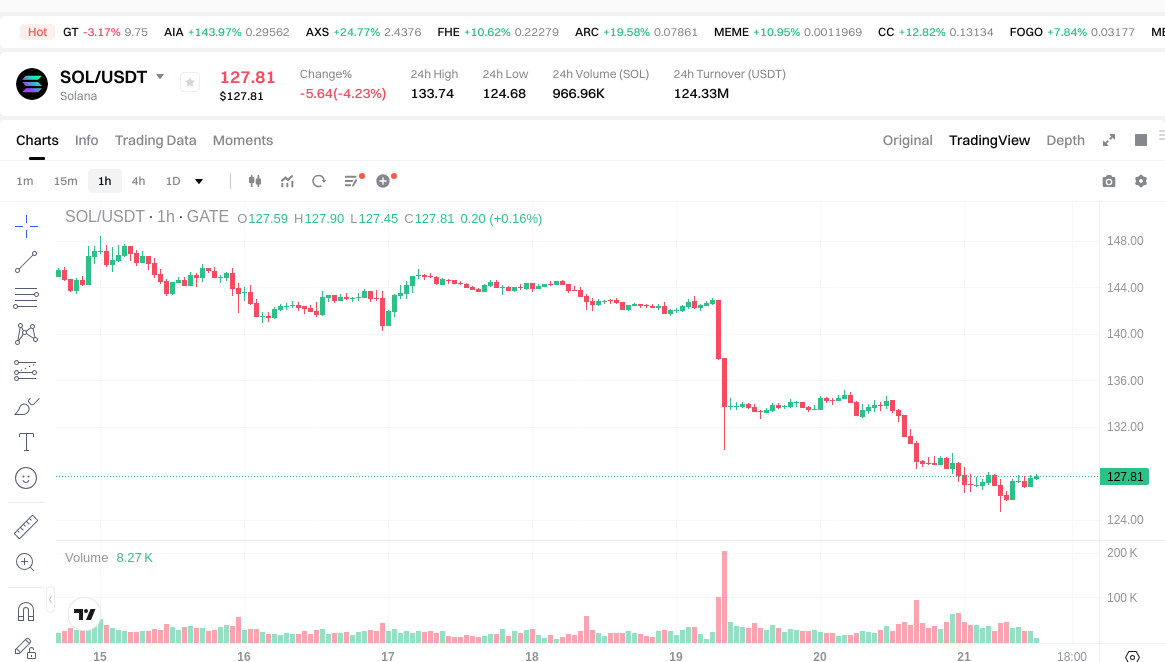
The unwrapping process involves direct interaction with smart contracts or specialized exchange services designed to facilitate the seamless conversion from wSOL to SOL. When initiating an unwrap transaction, users essentially redeem their wSOL tokens for an equivalent amount of native SOL. This mechanism ensures that the total supply of SOL remains constant, as wSOL functions as a tokenized representation of SOL rather than a separate asset.

From a technical perspective, wrapped tokens like wSOL are created to enable compatibility with specific protocols and applications within the DeFi ecosystem. The unwrapping process reverses this tokenization, allowing users to access the underlying native cryptocurrency. This is particularly important because many blockchain applications, wallets, and services require SOL in its native form to function properly.

Importance of Unwrapping Solana for Investors and Users

Understanding how to unwrap Solana is crucial for investors, traders, and everyday users involved in the Solana ecosystem for several compelling reasons. The ability to efficiently manage token conversions directly impacts investment strategies, liquidity management, and overall participation in blockchain activities.

Firstly, unwrapping enables effective liquidity management. wSOL is extensively used across DeFi applications for various purposes including staking, lending, liquidity provision, and yield farming. By converting wSOL back to native SOL, users regain complete control over their tokens, empowering them to trade on different platforms, transfer assets to other wallets, or utilize them in blockchain applications that specifically require native SOL rather than its wrapped version.

Secondly, unwrapping Solana is essential for participating in core blockchain activities such as governance and native staking. Many governance mechanisms and staking protocols on the Solana blockchain require SOL in its native form. Token holders who wish to vote on network proposals, delegate their stake to validators, or participate in network consensus must first unwrap their wSOL tokens.

Additionally, unwrapping provides flexibility in portfolio management. Investors can strategically move between wrapped and native forms depending on market conditions, yield opportunities, and specific platform requirements. This flexibility is particularly valuable in the dynamic DeFi landscape where different protocols may offer varying returns and require different token formats.

Furthermore, understanding the unwrapping process helps users avoid potential pitfalls such as sending wSOL to wallets or platforms that only accept native SOL, which could result in temporary inaccessibility of funds until proper conversion is performed.

Real-World Examples and Practical Applications

In recent developments, the process of unwrapping Solana has been significantly streamlined through advancements in blockchain technology and user interface design. The evolution of DeFi platforms has made unwrapping more accessible and user-friendly than ever before.

Major DeFi platforms like Serum and Raydium have integrated direct unwrapping services within their interfaces, allowing users to convert their wSOL to SOL seamlessly without leaving the platform. This integration has substantially enhanced user experience by eliminating the need to navigate multiple platforms or interfaces, while simultaneously reducing transaction times and minimizing potential errors during the conversion process.

The introduction of cross-chain bridges in the Solana ecosystem has further expanded the practical applications of unwrapping. Notable examples include the Solana-Ethereum Bridge and other interoperability solutions that enable users to unwrap Solana on one blockchain and immediately utilize the native SOL on another chain. This cross-chain functionality facilitates smoother asset transfers and promotes broader interoperability between different blockchain ecosystems, opening up new possibilities for multi-chain strategies.

Another significant practical application involves automated unwrapping services that have emerged in recent years. Several advanced wallets and DeFi platforms now offer intelligent features where wSOL can be automatically unwrapped when a transaction requiring native SOL is initiated. This automation enhances convenience for users who regularly engage in transactions across multiple platforms, eliminating manual conversion steps and reducing the cognitive load associated with managing different token formats.

Additionally, some platforms have implemented batched unwrapping mechanisms that allow users to queue multiple unwrap transactions, optimizing gas fees and processing efficiency. This is particularly beneficial for users managing large portfolios or conducting frequent conversions.

Data and Statistics

Recent data from Solana Foundation reports indicates that a significant portion of all SOL tokens exist in wrapped form (wSOL) at any given time, underscoring the critical importance of efficient unwrapping mechanisms within the ecosystem. This substantial percentage of wrapped tokens highlights the active and vibrant participation of SOL in the DeFi sector, where wSOL serves as a primary medium for liquidity provision, staking, and various yield-generating activities.

The prevalence of wrapped tokens reflects the maturity and sophistication of the Solana DeFi ecosystem, demonstrating how users actively leverage different token formats to maximize their participation in decentralized financial activities. This high utilization rate of wSOL across DeFi protocols indicates strong network effects and the growing importance of wrapped tokens in facilitating complex financial operations.

Transaction efficiency metrics have shown remarkable improvement over time. In recent implementations, the average transaction time for unwrapping Solana on leading platforms has been optimized to approximately 2 minutes, representing a significant enhancement in processing speed. Transaction costs have also been substantially reduced to mere cents, thanks to continuous optimization of Solana's innovative proof-of-history (PoH) consensus mechanism and overall network efficiency improvements.

These efficiency gains are particularly noteworthy when compared to other blockchain networks, where unwrapping operations might take significantly longer and incur higher fees. The combination of fast transaction speeds and minimal costs makes Solana an attractive option for users who frequently need to convert between wrapped and native token formats.

Furthermore, data shows that unwrapping volume tends to correlate with broader market activity and DeFi participation rates, with increased unwrapping typically occurring during periods of high trading volume or when new staking opportunities emerge on the native Solana network.

Conclusion and Key Takeaways

Unwrapping Solana represents a fundamental process for users within the Solana ecosystem, particularly those actively involved in DeFi activities and blockchain-based financial operations. The ability to efficiently convert between wSOL and native SOL provides users with greater flexibility in managing investments, participating in governance mechanisms, and engaging with a diverse range of blockchain applications across the ecosystem.

The continuous advancements in blockchain interfaces, cross-chain functionality, and automated unwrapping services have significantly enhanced both the efficiency and user experience of unwrapping Solana in recent years. These improvements reflect the maturation of the Solana ecosystem and its commitment to providing seamless user experiences.

Key takeaways include:

  1. Essential Skill: Understanding the unwrapping process is critical for effective asset management and maximizing opportunities within the Solana ecosystem.

  2. Improved Efficiency: Continuous improvements in transaction speed and cost reduction have made unwrapping more accessible and economical for all users.

  3. Expanding Applications: The broadening applications and ease of unwrapping Solana across various platforms and blockchain ecosystems create new opportunities for portfolio diversification and cross-chain strategies.

  4. Automation Advantages: Automated unwrapping features reduce complexity and enhance convenience for users engaging in frequent transactions.

  5. Strategic Importance: For investors and users, staying informed about unwrapping mechanisms and related developments is crucial for maximizing the potential of Solana holdings and maintaining competitive advantages in the rapidly evolving DeFi landscape.

As the Solana ecosystem continues to evolve, the importance of understanding and efficiently executing unwrapping operations will only grow, making it an essential competency for anyone seriously engaged with Solana-based assets and applications.

FAQ

What is Wrapped Solana (wSOL) and why do you need to unwrap it?

Wrapped Solana (wSOL) is SOL token converted to SPL standard for DeFi compatibility. Unwrap to recover native SOL for staking, transfers, or other uses requiring original SOL format.

How to unwrap tokens on Solana network? What are the specific steps?

To unwrap Solana tokens: 1) Connect your wallet to a DEX or bridge protocol. 2) Select the wrapped token you want to unwrap. 3) Enter the amount. 4) Confirm the transaction and pay gas fees. 5) Receive unwrapped tokens in your wallet.

Unwrap Solana needs to pay how much handling fee?

Unwrap Solana fees vary based on network conditions. Typically, you'll pay Solana network fees (SOL) for the unwrapping transaction, usually ranging from 0.00025 to 0.005 SOL, depending on network congestion.

What is the difference between Unwrap and Swap?

Unwrap converts wrapped tokens (like wSOL) back to their original form (SOL), while Swap exchanges one token for another. Unwrap is a direct conversion, Swap involves trading between different assets.

What security precautions should I take when unwrapping Solana?

Use official bridges only, verify smart contract addresses, enable wallet security features, never share private keys, confirm transaction details before signing, and use hardware wallets when possible for large amounts.

How long does it take for unwrapped tokens to arrive in my account?

Unwrapped Solana tokens typically arrive within 1-2 minutes on the blockchain. The exact time depends on network congestion and transaction confirmation speed.

Which wallets and platforms support Solana token unwrap operations?

Major wallets like Phantom, Solflare, and MetaMask support Solana unwrapping. DEXs including Raydium, Orca, and Jupiter facilitate unwrap transactions. Solana's official bridge and various DeFi protocols also enable seamless unwrapping of wrapped SOL tokens.
* The information is not intended to be and does not constitute financial advice or any other recommendation of any sort offered or endorsed by Gate.

Share

Content

Importance of Unwrapping Solana for Investors and Users

Real-World Examples and Practical Applications

Data and Statistics

Conclusion and Key Takeaways

FAQ

Related Articles
Discover Jupiter Solana: Your Guide to Using a DEX on the Solana Network
Discover Jupiter Solana: Your Guide to Using a DEX on the Solana Network

Discover Jupiter Solana explores how traders can utilize the Jupiter DEX aggregator on the Solana network. It offers insights on efficient token exchanges, advanced trading tools, and cross-chain bridging, enhancing DeFi capabilities. The article caters to DeFi enthusiasts seeking fast, cost-effective trades with features like limit orders and value averaging. Structured to guide readers through using Jupiter, it covers setting up wallets to participating in launchpad projects. Keywords focus on Solana, DEX aggregation, token swaps, and community governance, ensuring high readability for quick information access.
2025-12-25 18:20:44
Understanding Custodial and Non-Custodial Wallets: Key Differences Explained

Understanding Custodial and Non-Custodial Wallets: Key Differences Explained

This article explores the key differences between custodial and non-custodial cryptocurrency wallets, providing crucial insights for managing digital assets effectively. It addresses the needs of new traders and privacy-focused investors by detailing the control over private keys, security implications, and user autonomy associated with each wallet type. Structured logically, it starts by defining each wallet type, elaborates on their benefits and risks, and guides users on selecting the right choice for their trading and storage needs. Keywords are optimized for quick scanning: custodial wallets, non-custodial wallets, cryptocurrency security, user control.
2025-12-20 01:46:18
Understanding Crypto Airdrops: A Beginner's Guide

Understanding Crypto Airdrops: A Beginner's Guide

Understanding Crypto Airdrops: A Beginner's Guide uncovers the essentials of cryptocurrency airdrops—an innovative token distribution method for blockchain projects. This guide explains their strategic purposes, types, and benefits for both projects and participants. Key topics include how airdrops function, participation tips, risks, examples, and future trends. Designed for newcomers to the crypto space, it offers insights into maximizing airdrop opportunities and emphasizes careful engagement. The evolving nature of crypto airdrops underscores their role in community building within the blockchain ecosystem.
2025-12-20 10:19:58
Understanding Decentralized Finance Wallet Solutions

Understanding Decentralized Finance Wallet Solutions

Understanding Decentralized Finance Wallet Solutions explores the significance and functionality of decentralized crypto wallets, highlighting their role in enhancing user autonomy and security. The article covers what decentralized wallets are, their types, and benefits, including compatibility with dApps. It offers guidance on accessing and choosing the best wallets, considering factors like security, blockchain compatibility, and user experience. Key solutions discussed include popular wallet providers and their features. This piece is essential for anyone looking to dive into crypto asset management and DeFi ecosystem interaction.
2025-12-03 11:40:45
Understanding Decentralized Finance Wallets
Understanding Decentralized Finance Wallets

This article delves into the world of DeFi wallets, offering insights into their role in the cryptocurrency ecosystem. It discusses the benefits of user control, autonomy, and dApp compatibility, as well as privacy enhancements compared to centralized alternatives. The article guides readers on finding trusted wallets through reputable sources and factors to consider when selecting the best wallet, such as reputation, compatibility, and user-friendliness. Discover popular DeFi wallets, including MetaMask, Trust Wallet, Ledger, and Trezor devices, to effectively manage digital assets with security and ease.
2025-11-23 13:30:23
Exploring Raydium: A Guide to Using Decentralized Exchanges on Solana

Exploring Raydium: A Guide to Using Decentralized Exchanges on Solana

Explore Raydium DEX, a vital part of Solana's blockchain, offering speedy, low-cost trading with diverse features like token swaps, yield farming, and memecoin trading. This guide helps beginners connect Phantom wallet, trade, stake RAY tokens, and understand Raydium's operation using Solana's efficiency. It covers how to use the platform, address common FAQs on legality, and explain transaction fees, offering insights for crypto traders seeking DeFi opportunities. Whether swapping or staking, discover Raydium's robust ecosystem while managing inherent risks responsibly.
2025-12-25 01:09:01
Recommended for You
What is the fundamental analysis of cryptocurrency projects: whitepaper logic, use cases, and team background

What is the fundamental analysis of cryptocurrency projects: whitepaper logic, use cases, and team background

This comprehensive guide examines the four fundamental pillars for evaluating cryptocurrency projects: whitepaper core logic, use cases and market adoption, technical innovation and roadmap execution, and team credentials. The article provides investors with a structured framework to assess problem-solving mechanisms, tokenomics design, real-world adoption metrics through exchanges like Gate, and founder track records. By analyzing these elements holistically, readers learn to distinguish between sustainable projects with genuine innovation and those lacking foundational strength. The guide includes practical evaluation methods, red flag indicators, and industry expertise requirements, making it essential for conducting thorough fundamental analysis beyond market hype.
2026-01-21 06:13:02
What is OKB Market Cap: Price, Tokenomics & Total Supply
What is OKB Market Cap: Price, Tokenomics & Total Supply

This comprehensive guide explores OKB market capitalization and its significance within the cryptocurrency ecosystem. OKB, valued at approximately $3.2 billion with trading at $53.21, serves as a utility token offering trading fee discounts, staking rewards, and governance participation. The article explains market cap calculations, tokenomics with 60 million circulating tokens, and regular quarterly burn mechanisms enhancing scarcity. Discover OKB's price drivers, historical trends, and comparisons with competing exchange tokens like BNB and CRO. Learn how to acquire OKB through Gate and other platforms, understand its role in the broader exchange ecosystem, and explore answers to frequently asked questions for both newcomers and experienced traders seeking reliable market insights.
2026-01-21 06:12:11
How does Federal Reserve policy and inflation data affect cryptocurrency prices and market correlation with traditional finance
How does Federal Reserve policy and inflation data affect cryptocurrency prices and market correlation with traditional finance

This article explores how Federal Reserve monetary policy and inflation data directly shape cryptocurrency valuations and market dynamics. It examines three core mechanisms: Fed rate decisions and quantitative measures' impact on Bitcoin and Ethereum pricing through capital cost and risk appetite shifts; CPI releases' role as market catalysts triggering synchronized price volatility across digital and traditional assets; and cross-market contagion patterns showing cryptocurrency increasingly correlates with equities, bonds, and gold during macro uncertainty. The article demonstrates that cryptocurrencies now function as integrated portfolio assets responding to the same macroeconomic forces driving traditional finance, particularly during inflation spikes and policy shifts. Practical FAQs address real-time correlation changes, hedging effectiveness, and trading strategies aligned with Fed policy expectations, making this essential reading for investors navigating the interconnected global financial system.
2026-01-21 06:11:18
What is crypto holding and fund flow: exchange inflows, concentration, staking rates, and on-chain locked value explained
What is crypto holding and fund flow: exchange inflows, concentration, staking rates, and on-chain locked value explained

This comprehensive guide explores essential on-chain metrics for understanding cryptocurrency market dynamics and investor behavior. The article covers four core components: exchange inflows and outflows tracking capital movement across platforms like Gate to identify selling or holding sentiment; holding concentration metrics measuring whale dominance and retail participation distribution to assess market maturity; staking rates and on-chain locked value revealing how holders commit capital and seek yields; and institutional positioning shifts indicating large holder accumulation patterns and market impact. Each metric provides critical insights into market sentiment, potential price movements, and fund allocation strategies. The guide includes practical FAQs addressing why monitoring exchange data matters, concentration risks, staking's price impact, protocol health assessment, and how to predict market trends through on-chain analysis. Perfect for investors and analysts seeking to evaluate crypto asset hea
2026-01-21 06:09:28
Who is the Founder of the Leading Latin American Cryptocurrency Exchange Platform?
Who is the Founder of the Leading Latin American Cryptocurrency Exchange Platform?

This article explores Pablo Gonzalez's pioneering role in Latin America's cryptocurrency revolution and his founding of the region's leading digital asset exchange platform. The piece examines why understanding founder backgrounds matters for investors, traders, and users seeking reliability and security. It details the founding team's diverse expertise spanning computer science, fintech innovation, and regulatory compliance, alongside their strategic expansion across 15+ countries with over 5 million active accounts. The platform has processed $1 trillion in transactions while facilitating financial inclusion through practical crypto applications. Through strategic partnerships, advanced security infrastructure, and localized services optimized for emerging markets, the exchange has established itself as Latin America's premier cryptocurrency trading destination, bridging innovation with everyday financial needs across the region.
2026-01-21 06:08:16
What is the current cryptocurrency market cap ranking and trading volume overview in 2026

What is the current cryptocurrency market cap ranking and trading volume overview in 2026

This comprehensive overview examines the 2026 cryptocurrency market cap ranking and trading volume landscape, revealing Bitcoin and Ethereum's continued dominance commanding significant portions of total capitalization. The global cryptocurrency market cap reaches approximately $2.8 trillion, representing 45% growth from 2025. Discover how trading volume metrics across 24-hour and 7-day periods shape asset performance, with major cryptocurrencies generating billions in daily trading activity. The article explores critical supply mechanics, circulation ratios, and exchange distribution patterns that determine market liquidity and accessibility. Whether analyzing Filecoin's 52-exchange presence or Bitcoin's 45% market dominance, readers gain essential insights into how institutional adoption, regulatory clarity, and liquidity dynamics drive cryptocurrency market structure on Gate and other platforms.
2026-01-21 06:07:28