fomox
MarketsPerpsSpotSwap
Meme
Referral
More
Search Token/Wallet
/

Mastering Cryptocurrency Spot Trading: An Essential Guide

2025-12-04 17:10:03
Crypto Trading
Cryptocurrency market
How to buy crypto
Spot Trading
Trading Bots
Article Rating : 3.4
0 ratings
Mastering Cryptocurrency Spot Trading: An Essential Guide offers an in-depth exploration of spot trading in the crypto market. The article delineates the mechanism of spot trading, highlighting real-time transactions and direct asset ownership. It addresses the differences between centralized exchanges like Gate and decentralized platforms, offering insights into benefits, risks, and strategic applications. Key comparisons with crypto derivatives and the unique OTC spot market are provided to aid strategic decision-making. This guide serves both novice and experienced traders aiming to enhance their trading proficiency and asset management.
Mastering Cryptocurrency Spot Trading: An Essential Guide

What Is Spot Trading, and How Does It Work in the Crypto Market?

Spot trading represents one of the fundamental methods for entering the cryptocurrency market. As the crypto industry continues to evolve, spot trading remains a cornerstone trading mechanism, consistently generating substantial monthly trading volume. This comprehensive guide to spot trading explores the essential aspects of this trading method, helping traders understand when and how to utilize spot trading effectively.

What is a Spot Market in Crypto?

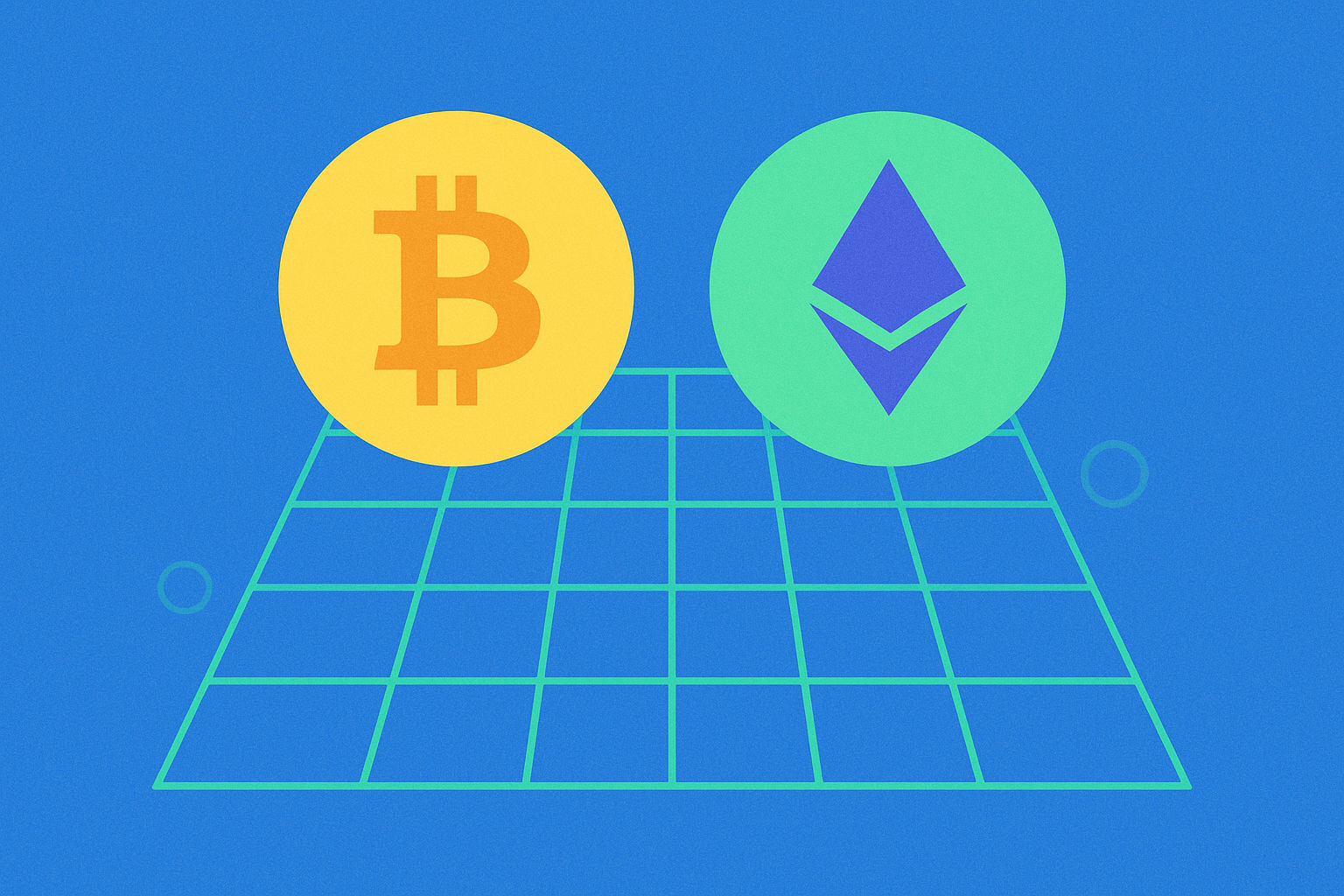
The cryptocurrency spot market serves as a direct exchange platform where traders can buy and sell virtual currencies at their current market prices, known as spot prices. This trading mechanism operates on a real-time basis, with transactions settled immediately on the blockchain network. The key characteristic of spot trading is actual ownership—when traders purchase Bitcoin or Ethereum on the spot market, they receive the actual digital assets, not derivative contracts or representations.

This direct ownership provides traders with complete control over their digital assets. For instance, after purchasing cryptocurrency on the spot market, traders can transfer their holdings to self-custodial wallets, exchange them for other tokens, utilize them in decentralized applications, send them to other users, or use them for merchant payments. This flexibility makes spot trading particularly valuable for those seeking genuine exposure to cryptocurrency assets.

How Does Crypto Spot Trading Work?

Spot trading operates through two primary exchange types: centralized and decentralized platforms, each with distinct operational mechanisms.

Centralized exchanges (CEXs) function as intermediaries that maintain order books and facilitate transactions between traders. The process typically begins with account verification through KYC procedures, requiring submission of identification documents, residential addresses, and personal information. Once approved, traders link payment methods such as bank accounts or credit cards to fund their accounts. After placing buy orders, purchased cryptocurrencies appear in the account balance. However, funds remaining on the exchange are held in custodial wallets, meaning the exchange controls the private keys, and traders must trust the platform with their assets.

Decentralized trading platforms operate on blockchain networks like Ethereum, enabling peer-to-peer cryptocurrency swaps without intermediaries. Traders connect compatible self-custodial wallets directly to these protocols, maintaining control of their private keys throughout the process. Many popular platforms utilize automated market makers (AMMs) with smart contracts and liquidity pools rather than traditional order books. These liquidity pools contain cryptocurrency deposits from providers who earn trading fees in exchange for facilitating trades.

What Are the Pros and Cons of Spot Trading?

Understanding the advantages and disadvantages of spot trading is crucial for any comprehensive guide to spot trading. Spot trading offers several advantages that make it attractive to both novice and experienced traders. The straightforward nature of buying and selling actual cryptocurrencies makes it highly accessible, with numerous reputable exchanges available worldwide. Direct asset ownership enables traders to fully control their holdings, transfer them freely, and participate in the broader cryptocurrency ecosystem including DeFi and NFT markets. Additionally, spot trading eliminates the risks associated with borrowed funds and margin calls, as traders only risk their own capital.

However, spot trading also presents certain limitations. The profit potential is generally constrained to available account capital, as leverage and borrowed funds are not inherent features of spot trading. Traders seeking to amplify their positions often find derivative products more suitable. Furthermore, spot trading offers limited strategic flexibility, particularly during market downturns, as profiting from price declines typically requires complex short-selling strategies. Finally, spot traders bear full responsibility for securing their digital assets, necessitating knowledge of wallet management, transfer procedures, and security measures like two-factor authentication.

Spot Trading Versus Crypto Derivatives: What's the Difference?

Crypto derivatives fundamentally differ from spot trading by offering price exposure through synthetic contracts rather than actual asset transfers. Derivatives such as futures and options allow traders to speculate on cryptocurrency prices without holding the underlying assets. Futures contracts obligate both parties to exchange assets at predetermined prices on specific dates, regardless of current market values. Options provide buyers the right, but not the obligation, to execute trades at specified prices.

This distinction creates different use cases for each trading method. Derivatives eliminate the need for wallet storage and asset custody, simplifying the trading process. They also offer greater flexibility for short-term strategies and bear market positioning, allowing traders to profit from price declines or hedge existing cryptocurrency holdings. Many experienced traders use derivatives to protect their long-term spot positions during market volatility.

What is the OTC Spot Market in Crypto?

Over-the-counter (OTC) trading represents a specialized form of spot trading where transactions occur directly between two parties rather than through public exchange order books. This private trading method allows participants to negotiate terms and conditions independently, exchanging digital assets directly between their accounts.

OTC trading particularly benefits high-volume traders, often called whales, who need to execute large transactions without causing market disruptions or triggering significant price movements. The negotiation flexibility enables traders to settle at prices that may differ from current market values. However, OTC trading carries increased counterparty risk since transactions occur off the record without public oversight.

To mitigate these risks, some major trading platforms offer OTC desk services, acting as neutral intermediaries to verify and facilitate transactions. These services typically require substantial minimum volume requirements, making them less accessible to retail traders but valuable for institutional participants and high-net-worth individuals.

Conclusion

Spot trading remains a fundamental component of the cryptocurrency market, offering direct access to digital assets with straightforward mechanics suitable for traders at all experience levels. This guide to spot trading has covered the essential aspects of how spot trading works, from understanding spot markets to comparing different trading methods. While spot trading provides genuine ownership and eliminates leverage-related risks, it also presents limitations in profit potential and strategic flexibility compared to derivative instruments. Understanding the operational differences between centralized and decentralized platforms, recognizing the advantages and disadvantages of spot trading, and knowing when to utilize alternatives like derivatives or OTC markets are essential for developing a comprehensive cryptocurrency trading strategy. As the crypto market continues to mature, spot trading remains a crucial entry point and core trading method for participants worldwide seeking to build their digital asset portfolios.

FAQ

What is the best strategy for spot trading?

The best strategy involves diversification, technical analysis, setting stop-loss orders, and staying informed about market trends and news.

What is the 3 5 7 rule in trading?

The 3 5 7 rule limits risk by risking no more than 3% of capital per trade, capping total exposure at 5% across all trades, and ensuring winning trades are at least 7% more profitable than losing ones.

Is spot trading good for beginners?

Yes, spot trading is ideal for beginners. It's simple, straightforward, and doesn't involve complex mechanisms like leverage or margin.

What is the 5-3-1 rule in trading?

The 5-3-1 rule in trading focuses on five currency pairs, employs three strategies, and trades once daily.

* The information is not intended to be and does not constitute financial advice or any other recommendation of any sort offered or endorsed by Gate.

Share

Content

What is a Spot Market in Crypto?

How Does Crypto Spot Trading Work?

What Are the Pros and Cons of Spot Trading?

Spot Trading Versus Crypto Derivatives: What's the Difference?

What is the OTC Spot Market in Crypto?

Conclusion

FAQ

Related Articles
Mastering Spot Trading: Proven Strategies for Success

Mastering Spot Trading: Proven Strategies for Success

This article masterfully navigates the essentials of spot trading in cryptocurrencies, emphasizing its mechanics, pros and cons, and differentiations from derivatives. Tailored for crypto enthusiasts, it resolves common queries on spot market operations including its application on platforms like Gate. The piece segments into defining the spot market, explaining transaction processes, comparing trading strategies, and detailing OTC trades while maintaining accessibility for quick reader absorption. It's an invaluable guide for both novices eager to securely engage with digital asset ownership and seasoned traders seeking strategic insights.
2025-11-03 09:51:20
Understanding Take-Profit in Cryptocurrency Trading

Understanding Take-Profit in Cryptocurrency Trading

Mastering take profit in crypto trading is essential for effective risk management and strategic optimization. Discover how to configure take profit and stop loss orders on Gate to automate your transactions and enhance overall trading results.
2025-12-05 08:45:01
Mastering Cryptocurrency Trading Techniques

Mastering Cryptocurrency Trading Techniques

"Mastering Cryptocurrency Trading Techniques" is a comprehensive guide aimed at demystifying cryptocurrency trading, offering beginners critical insights into this volatile yet rewarding market. The article addresses common challenges faced by newcomers, such as market volatility and strategy formulation, while emphasizing the importance of developing a disciplined trading approach. Readers will learn about key concepts like centralized vs. decentralized exchanges, spot vs. derivatives trading, and various trading strategies such as day trading and swing trading. Designed for ambitious traders, the guide provides step-by-step instructions for starting and improving in crypto trading. Essential keywords include "cryptocurrency trading," "trading strategies," and "market dynamics."
2025-12-04 05:41:08
Mastering Cryptocurrency Spot Trading for Success

Mastering Cryptocurrency Spot Trading for Success

The article "Mastering Cryptocurrency Spot Trading for Success" provides a thorough understanding of spot trading within the crypto market, emphasizing its fundamental role among trading methods. It explains spot trading's mechanisms, advantages, and limitations, guiding traders on direct ownership of cryptocurrencies with reduced risk. The content addresses newcomers and experienced investors by comparing spot trading to derivatives and OTC markets, highlighting its simplicity and reliability. With insights on market platforms like Gate, the article aids readers in making informed trading decisions. Keywords optimized include 'spot trading,' 'crypto market,' and 'Gate.'
2025-11-22 04:05:25
Understanding Spot Trading in Cryptocurrency

Understanding Spot Trading in Cryptocurrency

This article provides a comprehensive understanding of spot trading in cryptocurrency, highlighting its mechanisms, advantages, and limitations. It sheds light on distinctions between centralized exchanges like Gate and decentralized platforms, discussing the benefits of direct asset ownership, simplicity, and challenges faced by newcomers. The content contrasts spot trading with crypto derivatives, emphasizing risk management and potential profit strategies. For those entering the crypto market, it offers essential insights into spot trading and OTC market dynamics, catering to both novice and experienced traders seeking to navigate the evolving digital asset landscape efficiently.
2025-10-29 08:36:13
Effective Strategies for Daily Trading in the Cryptocurrency Market

Effective Strategies for Daily Trading in the Cryptocurrency Market

This article delves into effective strategies for daily cryptocurrency trading, offering insights on methods, benefits, risks, and common pitfalls. It caters to both beginners and seasoned traders aiming to capitalize on crypto's high volatility and 24/7 market access. Covered topics include defining crypto day traders, exploring pros and cons, outlining essential trading steps, and presenting various strategies like scalping and technical trading. Additionally, it addresses frequent mistakes and emphasizes the importance of research, strategy, and disciplined execution. The guide highlights its relevance for those seeking quick profits while managing risks proficiently.
2025-11-12 11:04:30
Recommended for You
Discover the Hottest Tokens on Solana

Discover the Hottest Tokens on Solana

This comprehensive guide explores top Solana tokens worth investing in, highlighting the blockchain's exceptional speed and cost-effectiveness compared to Ethereum. Solana processes up to 65,000 transactions per second with minimal fees, creating an ideal ecosystem for diverse crypto projects, particularly meme tokens. The article examines three standout meme tokens—BONK, WIF, and MYRO—that exemplify Solana's vibrant community-driven ecosystem and demonstrate explosive growth potential. While these tokens offer enticing opportunities for high returns and community engagement, they carry substantial risks including extreme volatility, market manipulation, and regulatory uncertainty. Investors must conduct thorough research, understand token distribution patterns, and implement robust risk management strategies when trading on Gate or other platforms. The guide emphasizes balancing opportunity with caution in this dynamic but inherently risky market segment.
2026-01-12 02:24:16
What do on-chain data metrics reveal about cryptocurrency market movements and whale activity?

What do on-chain data metrics reveal about cryptocurrency market movements and whale activity?

This article explores how on-chain data metrics illuminate cryptocurrency market dynamics and whale behavior. Active addresses and transaction volume serve as leading indicators of market sentiment and adoption trends, distinguishing organic growth from speculation. Large holder distribution patterns reveal whale accumulation and distribution phases, often preceding significant price movements detectable through blockchain analysis. On-chain fee dynamics reflect network congestion during volatility, exposing transaction prioritization and participant behavior. The article demonstrates measurable correlations between whale activity clusters and market rallies or corrections, exemplified by tokens like FRAX tracked on Gate. By analyzing these metrics—MVRV ratios, exchange inflows, dormant address activation—investors can detect market manipulation, assess real adoption rates, and predict short-term price direction. This comprehensive guide combines on-chain transparency with traditional analysis, enabling trade
2026-01-12 02:24:04
How to evaluate crypto community and ecosystem activity in 2026

How to evaluate crypto community and ecosystem activity in 2026

This comprehensive guide evaluates crypto community and ecosystem activity through five essential dimensions in 2026. Analyze social media engagement via Twitter and Telegram follower growth to gauge community interest and retention quality. Assess technical ecosystem health by measuring developer activity and code contributions on GitHub—key indicators of long-term viability. Evaluate ecosystem maturity through functional DApp count and user transaction volume, emphasizing genuine adoption over vanity metrics. Track community interaction frequency and quality via daily discussions, response rates, and sentiment analysis across Discord, Telegram, and governance forums. The article provides actionable frameworks for distinguishing authentic ecosystem health from speculative hype, helping investors and stakeholders make informed decisions on blockchain projects' sustainable potential using measurable on-chain and off-chain indicators.
2026-01-12 02:22:28
What Is TOFU Story (TOFU): The Blockchain Puzzle Game That Pays in LINE Points

What Is TOFU Story (TOFU): The Blockchain Puzzle Game That Pays in LINE Points

TOFU Story is a blockchain-based puzzle game combining classic 2048 mechanics with pet collectibles and real-world rewards through LINE Points. Built on KAIA blockchain and integrated with LINE Mini Dapp Portal, it enables over 60,000 Asian players to convert gaming achievements into tangible benefits redeemable at physical retailers like 7-11 or tradeable for digital currencies. The platform eliminates complex blockchain barriers through zero-gas transactions and intuitive interfaces, while strategic partnerships with Web3 infrastructure providers ensure security and scalability. This article explores TOFU Story's gameplay integration, real-world reward system, blockchain innovations, seasonal campaigns, technical foundation, and practical trading mechanisms, demonstrating how accessible blockchain gaming drives mainstream adoption across Asia.
2026-01-12 02:20:55
What is a token economics model and how does it impact crypto coin distribution, inflation, and governance rights?

What is a token economics model and how does it impact crypto coin distribution, inflation, and governance rights?

This comprehensive guide explores token economics models and their critical impact on cryptocurrency ecosystems. It examines how token allocation mechanisms distribute supply among teams, investors, and communities—typically 10-20%, 20-30%, and 40-50% respectively—directly influencing inflation rates and governance decentralization. The article analyzes inflation and deflation strategies that manage circulating supply, burning mechanisms that create artificial scarcity, and governance rights distribution that empowers stakeholders through voting power. Using Alchemy Pay (ACH) as a practical example with its 10 billion token model and 51% ecosystem allocation, the content demonstrates how balanced tokenomics align stakeholder incentives while preventing market dilution. The FAQ section addresses core concerns about token distribution, governance participation, and assessing project health. Readers gain actionable insights into designing sustainable token economies that reward long-term participants and maintai
2026-01-12 02:20:45
How does the Federal Reserve policy affect crypto prices in 2026

How does the Federal Reserve policy affect crypto prices in 2026

This article examines how Federal Reserve policy decisions in 2026 shape cryptocurrency valuations through multiple transmission mechanisms. When the Fed adjusts interest rates, crypto markets respond rapidly as investors reassess risk-return profiles—higher rates typically reduce crypto appeal while dovish signals boost digital asset demand. The analysis covers three critical dimensions: Fed rate decisions and market sentiment shifts, inflation's impact on Bitcoin and altcoin performance, and correlations between traditional markets like the S&P 500 and gold with cryptocurrency price movements. Rising real yields from bonds create competitive pressure on speculative assets, while quantitative easing generally supports crypto prices by increasing liquidity. The article provides investors with essential insights into how macroeconomic policy drives digital asset valuations, complemented by practical FAQs addressing specific scenarios and historical precedents for informed decision-making.
2026-01-12 02:19:06