Top Cryptocurrencies: Where to Invest in 2025?
What Is a “Valuable Cryptocurrency” and How Do You Identify One?
A valuable cryptocurrency is an asset with robust fundamentals, a resilient ecosystem, and significant growth potential over the medium and long term. To determine which projects truly deserve attention, you should assess them against several key criteria.
Key Evaluation Criteria
Technology. The foundation of any cryptocurrency is its blockchain and core functionality. Top-tier projects deliver unique solutions—such as high transaction speeds, scalability, security, or innovative features like smart contracts and decentralized applications (dApps).
Liquidity. High liquidity means you can easily buy or sell the cryptocurrency without major price swings. Coins with large trading volumes on major exchanges are generally more reliable.
Community. An engaged community is the driving force behind any project. A strong community supports ongoing development, attracts developers, and increases investor trust.
Growth Potential. A project’s growth depends on market trends, real-world utility, and its ability to adapt to changes.
Why It’s Critical to Filter Cryptocurrencies for Reliability
The crypto market is full of risks—from scams to coins that lose value due to a lack of real-world use. Filtering helps you:
- Lower the risk of losing funds to fraud.
- Focus on projects with long-term potential.
- Avoid emotional, hype-driven decisions.
Top 10 Valuable Cryptocurrencies by Market Cap and Future Outlook
-
Bitcoin (BTC): Digital Gold and Market Leader. Bitcoin remains the benchmark for the crypto market, acting as “digital gold” and a store of value.
-
Ethereum (ETH): The Backbone of DeFi and NFTs. Ethereum is the leading smart contract platform, powering thousands of decentralized applications.
-
Solana (SOL): Fast and Scalable. Solana attracts developers with its high throughput and low fees, positioning itself as a key competitor to Ethereum.
-
BNB: Core Asset of a Leading Platform Ecosystem. BNB powers one of the world’s largest crypto exchanges and its proprietary blockchain.
-
Chainlink (LINK): Connecting Smart Contracts with Real-World Data. Chainlink provides reliable data feeds for DeFi and other blockchain applications.
-
Polkadot (DOT). Polkadot links disparate blockchains into a single ecosystem, simplifying interoperability.
-
Avalanche (AVAX). Avalanche delivers high performance and supports DeFi, NFTs, and enterprise solutions.
-
Toncoin (TON). Originally developed for integration with a popular messaging app, TON targets mass adoption through accessible applications.
-
Arbitrum (ARB). Arbitrum is a Layer-2 scaling solution for Ethereum, offering low transaction costs.
-
Litecoin (LTC). Litecoin is a reliable, time-tested asset—ideal for fast, everyday transactions.
Overview of the Top Cryptocurrencies
Bitcoin (BTC)
History and Purpose. Launched in 2009 by Satoshi Nakamoto as a decentralized digital currency. Today, BTC is recognized as a store of value and a global financial asset.
Key Features. Fixed supply (21 million coins), exceptional security, and wide acceptance.
Outlook. Bitcoin is expected to maintain its market leadership, especially as institutional adoption increases. Prices may climb further if a new bull market coincides with the next halving.
Ethereum (ETH)
History and Purpose. Introduced in 2015 by Vitalik Buterin, Ethereum is a platform for smart contracts, DeFi, NFTs, and dApps.
Key Features. The transition to Proof-of-Stake (PoS) has made the network more energy efficient, enhancing both reliability and scalability.
Outlook. Ethereum will solidify its dominance in DeFi and NFTs. Layer-2 solutions will further expand its ecosystem and lower user fees.
Solana (SOL)
History and Purpose. Launched in 2020, Solana emphasizes ultra-fast transactions (up to 65,000 TPS) and minimal fees.
Key Features. Utilizes Proof-of-History consensus. Solana’s performance has made it especially popular for GameFi and NFTs.
Outlook. Solana will continue attracting developers, particularly in gaming and decentralized finance.
BNB
History and Purpose. Created in 2017 by a leading crypto platform, BNB is used for paying fees, staking, and participating in the ecosystem.
Key Features. Operates on its own blockchain and enjoys high liquidity due to the platform’s popularity.
Outlook. BNB is expected to retain its top-tier status as its ecosystem grows and its global reach expands.
Chainlink (LINK)
History and Purpose. Launched in 2017, Chainlink delivers decentralized oracles that bring off-chain data onto blockchains.
Key Features. Serves as a critical infrastructure layer for DeFi, ensuring smart contracts have reliable data.
Outlook. As DeFi and Web3 expand, demand for Chainlink’s oracles is set to rise, supporting long-term growth.
Polkadot (DOT)
History and Purpose. Founded in 2020 by Gavin Wood, Polkadot connects blockchains for seamless data and asset exchange.
Key Features. Its parachain model allows for the creation of specialized blockchains tailored to different use cases.
Outlook. Polkadot will further establish its role in Web3 and cross-chain interoperability, attracting innovative projects to its ecosystem.
Avalanche (AVAX)
History and Purpose. Launched in 2020, Avalanche is designed for DeFi, NFTs, and enterprise blockchain deployments.
Key Features. Supports subnets, offering flexible solutions for diverse requirements.
Outlook. Avalanche will remain a strong competitor to Ethereum and Solana, drawing developers with its scalability and performance.
Toncoin (TON)
History and Purpose. Developed for seamless integration with a leading messaging app, TON is focused on simplicity and widespread adoption.
Key Features. Integration allows for mini-apps accessible to millions, without the need for separate wallets.
Outlook. TON’s growth will be fueled by GameFi and payment use cases, onboarding mainstream users to blockchain via familiar channels.
Arbitrum (ARB)
History and Purpose. Rolled out in 2021 as a Layer-2 scaling solution for Ethereum, Arbitrum enables lower fees and faster transactions.
Key Features. Native compatibility with Ethereum makes Arbitrum a preferred choice for DeFi and NFT projects, streamlining migration and scaling.
Outlook. Arbitrum stands to benefit from Ethereum’s expansion and the growing need for scalable infrastructure.
Litecoin (LTC)
History and Purpose. Created in 2011 by Charlie Lee as the “silver” to Bitcoin’s “gold.”
Key Features. Simplicity and reliability make LTC a go-to choice for everyday payments and fast transactions.
Outlook. Litecoin will continue to appeal to both new and seasoned investors who value proven stability.
Which Cryptocurrencies Are Best for Beginners?
Simple and Reliable: BTC, ETH, LTC
Bitcoin (BTC). The gold standard for capital preservation. It earned the trust of investors as the first cryptocurrency and remains the industry benchmark.
Ethereum (ETH). Ideal for those who believe in DeFi and NFT innovation. As the second-largest cryptocurrency, it boasts a mature ecosystem of apps.
Litecoin (LTC). A straightforward coin for fast, low-risk transactions—an excellent entry point for beginners.
Long-Term Picks: ADA, MATIC, DOT
Cardano (ADA). A smart contract platform known for its research-driven, scientific development. It attracts long-term investors with its strategic vision.
Polygon (MATIC). A Layer-2 solution for Ethereum, popular in DeFi and NFT markets. It offers low fees and high throughput.
Polkadot (DOT). A promising project for cross-chain interoperability, enabling different blockchains to work together.
How to Allocate Your Crypto Investments
60% of your portfolio: Reliable assets (BTC, ETH, LTC) for stability and long-term growth.
30% of your portfolio: Mid-cap coins (SOL, DOT, ADA) to drive growth and diversify risk.
10% of your portfolio: High-potential, high-risk altcoins for speculative upside.
Valuable Low-Cap Cryptocurrencies (Altcoins With 10x Potential)
Low-cap altcoins (under $1 billion) can generate outsized returns but come with high risk. Always conduct rigorous analysis before investing.
Which Under-the-Radar Coins Could Take Off?
Beam (BEAM). Built on the Mimblewimble protocol for privacy, Beam is popular in GameFi for its focus on confidentiality.
Gala (GALA). The core token for the Gala Games ecosystem. As GameFi evolves, demand could drive its price higher.
Sui (SUI). A new Layer-1 blockchain challenging Solana, Sui stands out for its architecture and performance.
Moonbeam (GLMR). A Polkadot parachain compatible with Ethereum, enabling developers to deploy apps across both ecosystems.
Risks and Opportunities
Opportunities. Low-cap altcoins can multiply in value through hype or genuine adoption—history has several examples of such breakouts.
Risks. Expect high volatility, low liquidity, and a greater risk of scams. Limit these assets to 10–15% of your portfolio, and always conduct thorough due diligence.
Tips for Selecting Valuable Cryptocurrencies
How to Avoid Scam Projects
Check the team. Anonymous or unverified developers are a red flag. Always research who’s behind the project and their reputation.
Read the whitepaper. The whitepaper should clearly outline the project’s goals, technology, and roadmap. Vague or unprofessional documents signal caution.
Review activity. Inactive social media or lack of GitHub updates are warning signs. Legitimate projects post regular updates and engage with their communities.
Why DYOR (Do Your Own Research) Is Essential
Conducting your own research allows you to:
- Decide if a project aligns with your goals and investment strategy.
- Avoid hype-driven coins lacking real value or utility.
- Identify undervalued assets before they go mainstream.
- Form your own judgment—independent of crowd sentiment.
How to Use CoinMarketCap, CoinGecko, and Social Signals
CoinMarketCap and CoinGecko. Monitor market capitalization, trading volumes, and price history. These platforms are reliable sources for market data.
Social signals. Track conversations on Twitter (X), Reddit, and Telegram. Community activity often precedes major price movements.
Technical analysis. Use TradingView to analyze charts, make forecasts, and monitor key indicators (RSI, MACD). This helps you time your entry points.
Set alerts. Enable notifications for price changes in assets you track.
Use news aggregators. Stay up to date with the latest crypto news and project developments via trusted sources.
Monitor trading volumes. Spikes in volume can signal a pump or surging interest in a project.
2025 Outlook: Which Cryptocurrencies Will Remain “Valuable”?
Key Trends
Artificial Intelligence (AI). Projects integrating AI will attract both investors and developers—AI in blockchain solutions is an emerging trend.
Layer-2 solutions. Arbitrum, Optimism, and Polygon will further reduce Ethereum transaction fees and boost mainnet scalability.
GameFi and Metaverse. Blockchain-powered games are going mainstream, drawing everyday users into the crypto ecosystem.
Real-world use cases. Coins with tangible utility will benefit from Web3’s expansion and blockchain’s integration into traditional industries.
How to Prepare for the Next Bull Market
Invest during corrections. Accumulate leading coins (BTC, ETH) during market dips—this is a classic long-term investment approach.
Diversify your portfolio. Allocate a portion to high-potential altcoins, but keep this between 10–15% of your total holdings.
Follow macroeconomic trends. Interest rate cuts and increased institutional participation can trigger bull markets—stay alert to these signals.
Be patient. Successful investing requires discipline and patience. Stick to your strategy and avoid emotional decisions.
Conclusion
Cryptocurrency investing remains a high-potential but high-risk endeavor. Valuable cryptocurrencies combine advanced technology, an active community, and genuine growth prospects. Bitcoin and Ethereum will likely remain market leaders, but Solana, Chainlink, Polkadot, and other top-10 assets are also worth close analysis.
For newcomers, it’s best to start with well-established assets (BTC, ETH, LTC) known for their longevity and broad acceptance. Seasoned investors may explore low-cap altcoins, always mindful of the increased risks.
The key is to do your own research, rely on reputable analytics platforms, and keep a close eye on market trends. The crypto sector is full of opportunities, and smart choices today can drive significant returns tomorrow.
FAQ
Which Cryptocurrencies Are the Most Promising Investments for 2025?
Top contenders include Bitcoin, Ethereum, Solana, Cardano, and XRP. These assets show consistent growth, technological leadership, and institutional support. Bitcoin is digital gold, Ethereum leads smart contracts, and Solana is renowned for speed.
What’s the Difference Between Bitcoin, Ethereum, and Altcoins When Investing?
Bitcoin is the original and most trusted cryptocurrency with the largest market cap. Ethereum delivers smart contract capabilities and the heart of DeFi. Altcoins offer specialized solutions and growth potential—but require thorough project analysis.
What Are the Main Risks of Investing in Crypto?
Major risks include extreme price volatility that can lead to substantial losses, regulatory changes, technical vulnerabilities and cyber threats, and market liquidity issues.
How Can You Choose a Reliable Crypto Exchange for Buying and Holding Assets?
Look for exchanges with a solid reputation, two-factor authentication, and asset insurance. Verify licensing, transparent fee structures, and support for your target assets. Read user reviews and compare trading volumes.
What Investment Strategy Is Recommended for Crypto Beginners in 2025?
A moderate-risk, diversified portfolio of leading cryptocurrencies is recommended. Invest gradually, study the market closely, and focus on long-term growth for stability.
What’s the Growth Potential for Top Cryptocurrencies in the Coming Year?
Bitcoin, Ethereum, XRP, Cardano, and Solana all have strong growth prospects in 2026. Ongoing innovation and adoption should support price increases of 30–150%, depending on the asset.
How Should You Diversify a Crypto Portfolio, and What’s a Safe Investment Size?
Distribute assets across major cryptocurrencies (Bitcoin, Ethereum) and promising projects in various sectors (DeFi, blockchain platforms). Consider geographic diversity as well. A recommended starting allocation is 5–10% of your total portfolio, with gradual increases as you gain experience.
What is an Altcoin? Top 10 Altcoins to Know in 2025 | Beginner's Guide Beyond Bitcoin
Top Cryptocurrencies for Beginners to Invest in
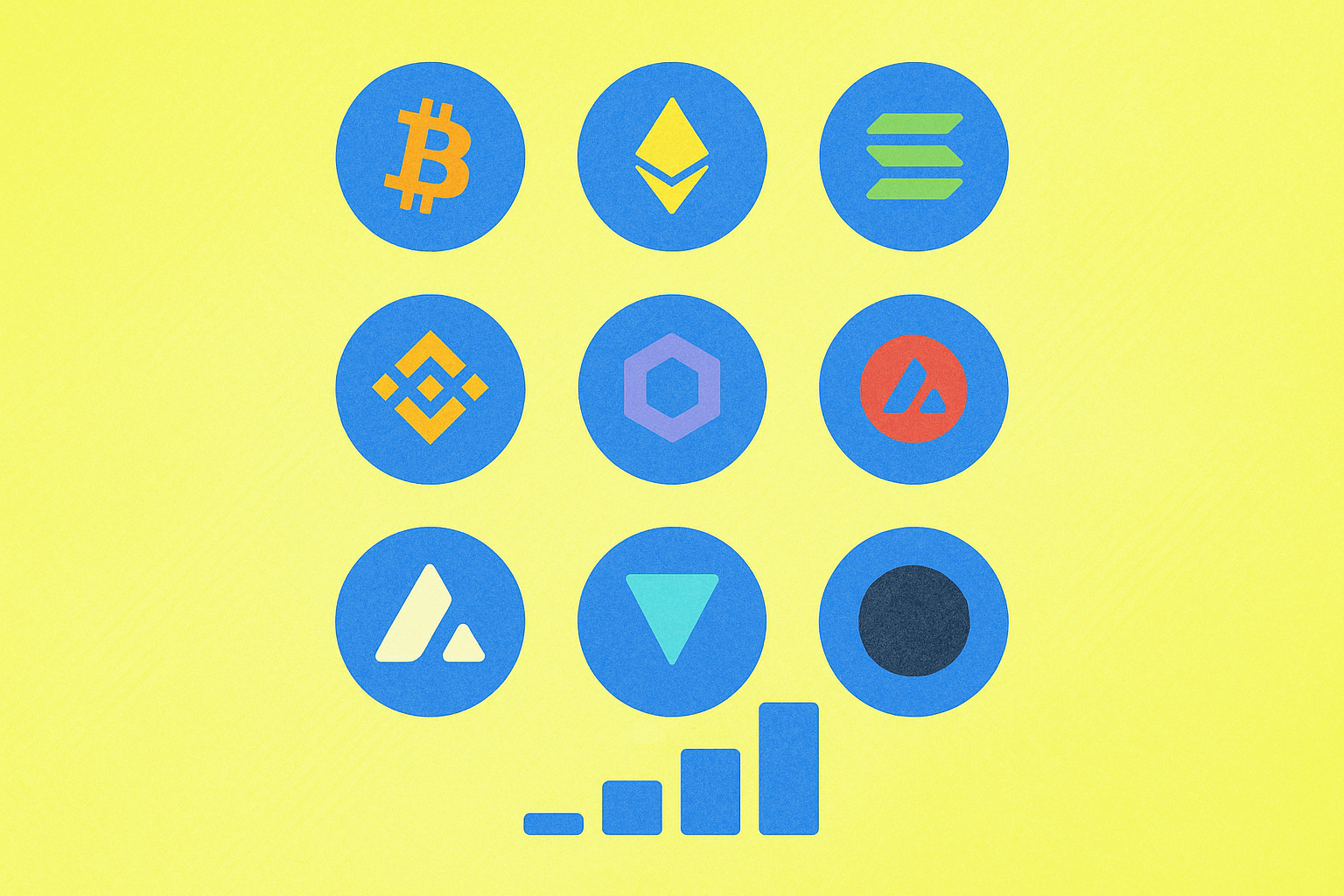
Rising Cryptocurrencies: What to Invest in for 2025?

What Cryptocurrencies to Invest In: Strategic Investment Guide
How Does POWER Price Volatility Compare to Other Cryptocurrencies?

Top Cryptocurrency Picks for Winter Investment

Will Wink Coin Reach $1: A Comprehensive Analysis
Flagged Transactions
What Is Prime Core Technologies

What Is a Decentralized Exchange?
Is Crypto Mining Legal in Kenya?