LCP_hide_placeholder
fomox
Search Token/Wallet
/

The FOMO Effect in Cryptocurrency and Its Impact

2025-12-26 03:02
Airdrop
Crypto Trading
DeFi
Web 3.0
Web3 wallet
Article Rating : 4.5
half-star
21 ratings
Explore the dynamics of FOMO in cryptocurrency as we offer valuable insights designed to help beginner and intermediate investors enhance their grasp of Web3 and blockchain technology. This article thoroughly examines emotional investment behavior and its countermeasures, clarifies what FOMO Coin really is, and details approaches for earning rewards. Discover how to navigate FOMO and implement prudent investment strategies.
The FOMO Effect in Cryptocurrency and Its Impact

What Is FOMO in Crypto? How to Earn Ongoing Rewards in the Multi-Chain Wallet Weekly Reward Campaign

What Is FOMO in Crypto? Why Does It Matter?

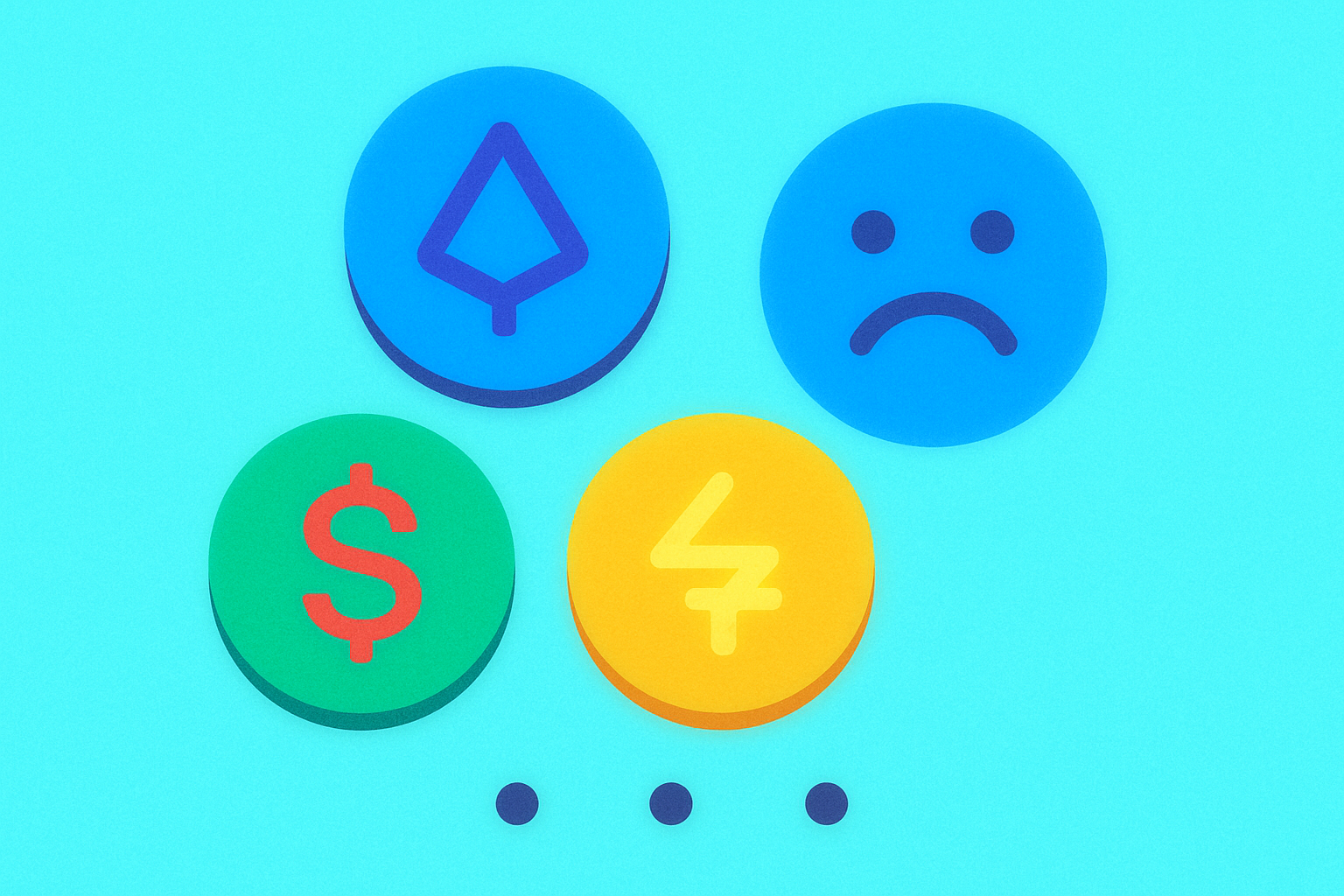
In the cryptocurrency market, FOMO—short for "Fear of Missing Out"—is widely recognized as a powerful psychological force that shapes investor decision-making. FOMO describes the tendency to act impulsively out of anxiety that you’re missing an opportunity others are seizing.

Crypto markets are known for rapid price swings and real-time news cycles, both of which heighten FOMO. Younger investors, especially those aged 18–35, are particularly influenced by social media memes and viral trends, leaving them more vulnerable to FOMO-driven reactions. Even unsubstantiated rumors can spark individual FOMO, ripple through the community, and contribute to speculative price bubbles.

These psychological reactions often trap investors in a vicious cycle—buying at the top and panic-selling during corrections. In previous crypto bull runs, certain assets have surged more than 10% in a matter of hours on heightened expectations, only to plunge when the news is later debunked. This is a classic example of FOMO-driven trading patterns.

How Does FOMO Affect Crypto Trading?

FOMO can seriously undermine rational decision-making in crypto trading. When investors chase the hype and buy impulsively without due diligence, they end up following momentum rather than assessing real asset value. This emotional behavior, especially in fast-moving sectors like meme coins or new token launches, fuels bubbles and volatility.

FOMO-driven investors usually share several habits: buying trending coins just because influencers mention them, obsessively refreshing charts or social feeds for updates, and constantly worrying about “missing the next big wave.” These patterns typically lead to “buying high and panic selling,” a costly and inefficient cycle.

Consider previous meme coin frenzies. Many rushed in at peak prices, believing it was a “once-in-a-lifetime” chance, only to watch prices correct and end up selling at a loss. Such cases highlight the real-world financial risks of FOMO-fueled surges and crashes.

FOMO vs. DYOR: What's the Difference?

In crypto, FOMO (“Fear of Missing Out”) and DYOR (“Do Your Own Research”) represent two opposite approaches. One is driven by emotion and urgency; the other is anchored in research and long-term thinking.

The differences are stark. FOMO relies on emotion, social media buzz, rumors, and hype—driving investors to buy high and panic sell, often resulting in regret and lost confidence. DYOR is driven by knowledge and data, referencing whitepapers, tokenomics, team track records, and project roadmaps. This approach supports strategic entry, risk management, and building a stable, long-term portfolio. “DYOR over FOMO” has become a watchword in Web3 communities for good reason.

In a space where new cryptocurrencies launch daily, DYOR is the best way to manage risk and spot real opportunities. Practicing DYOR means reading project whitepapers, evaluating tokenomics (total supply, distribution, inflation models), verifying the development team's credibility, checking roadmaps and milestones, and monitoring both community and official channels. Multi-chain wallet apps streamline this process by integrating token data, price charts, and smart contract info—enabling efficient, in-app research.

What Is FOMO Coin? Is It Real or Just a Meme?

While FOMO is generally an emotion, FOMO Coin is a real ERC-20 token created by the FOMO Network. This project blends crypto meme culture with a gamified DeFi ecosystem, letting users earn rewards through staking, trading, and mini-games, with plans to expand into the metaverse. FOMO Coin channels the “fear of missing out” into user engagement, turning emotion into business logic.

Emotion-driven branding isn’t rare in Web3—names like WAGMI, PEPE, HODL, and FOMO grab attention, but long-term success depends on fundamentals like real utility, credible teams, and sustainability. FOMO Coin is a novel concept but, like other new tokens, comes with risks. Still, when harnessed effectively, FOMO can fuel excitement and build vibrant communities.

How Do Multi-Chain Wallets Turn FOMO Into a Rewarding Experience?

The Weekly Reward Campaign from multi-chain wallets transforms FOMO into a fun, rewarding, and risk-free experience through an innovative airdrop event. Unlike traditional airdrops that require tedious tasks, users simply stake 10 USDT each week for a chance to win up to $888 in crypto.

Crucially, if you don’t win, your staked 10 USDT is fully refunded—making this a zero-risk opportunity that lowers psychological barriers and broadens participation. The campaign launched in partnership with leading meme coin projects and will continue to roll out playful, value-driven airdrops.

The Weekly Reward Campaign resolves many pain points of traditional airdrops: no trading, no complex swaps or bridging, and no busywork. All draws are fully on-chain, making them transparent and tamper-proof. Every ticket guarantees an equal chance, regardless of your asset size, and each ticket counts for one drawing. Thanks to non-custodial security, users always retain control of their assets—wallets never take custody.

How to Join the Weekly Reward Campaign Safely and Easily

Recent campaigns have featured airdrops through partnerships with mini-games across multiple ecosystems, including a much-talked-about “fair launch” shooting game.

The Weekly Reward Campaign has just four simple steps:

First, update your multi-chain wallet to the latest version. Open the app and tap the “Weekly Reward Campaign” banner.

Second, stake 10 USDT on BNB Chain. Each 10 USDT staked earns you a scratch card. You’ll need a small amount of BNB for gas, but you can claim it for free from the campaign page. Importantly, your 10 USDT will be fully refunded after the event ends.

Third, participate in the weekly drawing. Wait for the results, scratch your card, and see if you’ve won. No extra effort is required—your luck decides the outcome.

Fourth, claim your rewards or request a refund. Winners receive up to $888 in tokens (on supported chains) with zero gas fees. If you don’t win, you can manually request a refund of your 10 USDT (a gas fee applies). Only one wallet per device is allowed, and you must claim rewards within seven days of the draw.

This campaign delivers one of the most innovative crypto airdrops, combining gamified engagement with robust security. Within a trusted Web3 ecosystem, it’s a fun and safe way to experience crypto.

Conclusion

FOMO in crypto is no longer just a “red flag” for first-time investors. When understood and managed, FOMO can become a strategic advantage rather than a risk.

When the market takes off, everyone feels the sting of “missing out.” What separates winning investors from the rest? The ability to stay calm, stick to a strategy, and avoid knee-jerk emotional decisions.

In crypto, a single emotional click can wipe out your assets. That’s why DYOR remains the most critical safeguard. If you’re seeking fairness, transparency, and engagement in Web3, a multi-chain wallet app is your best entry point.

With the Weekly Reward Campaign, missing out is a thing of the past. Rewards are delivered regularly and risk-free, with equal opportunity for all. Turn your fears about crypto into a positive, and take your first step toward confidently navigating the Web3 landscape.

FAQ

What Is FOMO in Crypto?

FOMO, or “Fear Of Missing Out,” refers to the anxiety of missing profit opportunities. In crypto, it describes the impulse to buy during rapid market rallies out of fear of being left behind. Always avoid emotional trades and prioritize rational, informed investing.

What Does FOMO Mean?

FOMO stands for “Fear Of Missing Out”—the fear of missing potential opportunities. In crypto, it’s the psychological urge to buy quickly for fear of missing a price surge.

What Is a Crypto Meme?

Crypto memes are tokens created around popular internet memes. They’re built on humor and cultural trends, often gaining explosive popularity and growing rapidly through community-driven momentum.

What Is FUD in Crypto?

FUD means Fear, Uncertainty, and Doubt. In crypto, it refers to the spread of false or exaggerated information to deliberately trigger fear and anxiety among investors.

What Behaviors Does FOMO Cause in Crypto?

FOMO can lead to impulsive buying without proper research or panic selling out of fear of losses. This short-term mindset ignores long-term planning and increases susceptibility to scams or unreliable projects.

What Are the Risks of FOMO Investing?

Investing on FOMO can result in rash decisions and substantial losses. Volatile markets amplify these risks, making careful analysis and rational judgment crucial.

How Can You Avoid FOMO in Crypto Investing?

Always DYOR—Do Your Own Research—and keep your investment goals clear. Stay rational, avoid emotional reactions, and maintain a long-term perspective to sidestep FOMO.

* The information is not intended to be and does not constitute financial advice or any other recommendation of any sort offered or endorsed by Gate.

Share

Content

What Is FOMO in Crypto? Why Does It Matter?

How Does FOMO Affect Crypto Trading?

FOMO vs. DYOR: What's the Difference?

What Is FOMO Coin? Is It Real or Just a Meme?

How Do Multi-Chain Wallets Turn FOMO Into a Rewarding Experience?

How to Join the Weekly Reward Campaign Safely and Easily

Conclusion

FAQ

Related Articles
Top Decentralized Exchange Aggregators for Optimal Trading

Top Decentralized Exchange Aggregators for Optimal Trading

Exploring top DEX aggregators in 2025, this article highlights their role in enhancing crypto trading efficiency. It addresses challenges faced by traders, such as finding optimal prices and reducing slippage, while ensuring security and ease of use. A practical overview of 11 leading platforms is provided, with guidance on selecting the right aggregator based on trading needs and security features. Designed for crypto traders seeking efficient and secure trading solutions, the article emphasizes the evolving benefits of using DEX aggregators in the DeFi landscape.
2025-12-24
Understanding FOMO in Crypto and Transforming It into Weekly Opportunities

Understanding FOMO in Crypto and Transforming It into Weekly Opportunities

The article explores the psychological impact of FOMO (Fear of Missing Out) in the crypto market, emphasizing its influence on investor behavior and decision-making. It highlights how FOMO can lead to impulsive trading decisions but also suggests that, when approached wisely, it can be transformed into opportunities like FOMO Thursdays – a reward-based engagement strategy. The piece addresses issues like emotional trading traps and distinguishes between FOMO and DYOR (Do Your Own Research), promoting informed investment practices. With a focus on Web3 innovations, the article targets crypto investors aiming to mitigate risks while maximizing engagement and rewards.
2025-12-19
Understanding Crypto Slippage: A Clear Explanation

Understanding Crypto Slippage: A Clear Explanation

The article provides a comprehensive understanding of crypto slippage, crucial for traders navigating the volatile cryptocurrency market. It explains slippage, its causes, and techniques to manage it effectively, ensuring optimized trading experiences. Readers will gain insights into controlling slippage through strategies like setting slippage tolerance, using limit orders, and focusing on liquid assets, particularly on platforms like Gate. Ideal for traders seeking to minimize losses and enhance decision-making, the article's structure allows easy comprehension and practical application, enhancing crypto trading efficiency. Keywords: crypto slippage, slippage tolerance, limit orders, Gate, volatility, liquidity.
2025-12-20
Top Crypto Trading Simulation Tools for Beginners

Top Crypto Trading Simulation Tools for Beginners

This article explores top crypto trading simulators designed to enhance traders' skills without financial risk. Perfect for beginners and experienced traders alike, these platforms mimic real crypto market conditions using virtual funds. Key topics include understanding the mechanics of trading simulators, their educational benefits, and detailed reviews of leading tools like Roostoo and Gainium tailored to various trading needs. The article guides you in selecting the right simulator based on ease of use, available features, and realistic market data, aiming to foster knowledge, experience, and disciplined trading approaches.
2025-12-02
Take Profit and Stop Loss: What They Are and Why You Need Them

Take Profit and Stop Loss: What They Are and Why You Need Them

**Ukrainian Meta Description (within 160 characters):** Learn to set stop-loss orders for crypto trading on Gate. This detailed beginner’s guide covers stop-loss and take-profit, risk management strategies, and tips to avoid mistakes. Automated orders safeguard your investments even while you’re offline. Start mastering professional trading techniques today. --- **Chinese Meta Description (within 110 characters):** Master stop-loss techniques for crypto trading on Gate. This guide gives beginners step-by-step instructions, clarifies stop-loss versus take-profit, covers risk management strategies, common misconceptions, and expert tips. Discover advanced features like OCO and trailing stop orders, automate your trades, and protect your investments. Start improving your trading skills now.
2025-12-29
Understanding Crypto Futures: A Beginner's Guide to Trading

Understanding Crypto Futures: A Beginner's Guide to Trading

Dive into the world of crypto futures trading, an essential guide for beginners navigating this financial instrument. Learn the basics of crypto futures contracts, which allow traders to speculate on future cryptocurrency prices, offering leverage and hedging opportunities. Understand the historical evolution, key benefits, and inherent risks of trading, including market volatility and leverage amplification. This article offers strategic insights and practical examples, empowering traders to manage portfolios efficiently while ensuring robust risk management. Targeted at novice and experienced traders alike, it underscores the importance of research and preparedness in the dynamic crypto market.
2025-12-19
Recommended for You
What is BULLA coin: analyzing whitepaper logic, use cases, and team fundamentals in 2026

What is BULLA coin: analyzing whitepaper logic, use cases, and team fundamentals in 2026

BULLA coin introduces decentralized accounting and on-chain data management innovation built on BNB Smart Chain, eliminating intermediaries while ensuring real-time transaction verification. The platform addresses critical gaps in cryptocurrency infrastructure by embedding accounting logic directly into smart contracts, enabling transparent audit trails and regulatory compliance. Real-world applications include seamless transaction imports across multiple exchanges, comprehensive crypto portfolio tracking, and secure record-keeping for investors. Trade import tools enhance user experience by automating data categorization and consolidation. Founded in 2021 by blockchain architect Benjamin with support from experienced fintech designers and engineers, BULLA Networks demonstrates active development momentum with continuous smart contract iterations through early 2026. The 2026-2027 strategic roadmap prioritizes network infrastructure expansion and enhanced security protocols, positioning BULLA as a robust decen
2026-02-08
What is on-chain data analysis and how does it reveal whale movements and active addresses in crypto?

What is on-chain data analysis and how does it reveal whale movements and active addresses in crypto?

On-chain data analysis reveals cryptocurrency market dynamics by examining active addresses and transaction metrics that expose whale movements and investor behavior. This comprehensive guide explores how blockchain data serves as a critical market indicator, demonstrating the correlation between large holder activities and price movements—such as FLOKI's 950% surge in whale transactions. The article covers whale movement tracking, holder distribution patterns showing 73.47% concentration among major stakeholders, and on-chain fee trends as cycle indicators. Essential metrics include active addresses reflecting genuine network participation, transaction volumes revealing strategic positioning, and network congestion patterns during market cycles. By tracking these interconnected indicators through platforms like Glassnode and Gate, investors and traders can identify market sentiment shifts, anticipate price movements, and distinguish institutional activity from retail participation, making on-chain analysis i
2026-02-08
What is Vodra (VDR) crypto: whitepaper logic, use cases, and fundamentals analysis for 2026

What is Vodra (VDR) crypto: whitepaper logic, use cases, and fundamentals analysis for 2026

Vodra (VDR) is a decentralized blockchain platform revolutionizing creator economics through AI-powered infrastructure and transparent compensation systems. The project addresses the creator economy's core challenge—unfair intermediary-controlled monetization—by enabling direct audience-to-creator transactions without traditional gatekeepers. VDR's whitepaper establishes a dual-layer architecture combining artificial intelligence for content assistance with blockchain verification for security and transparency. The platform's real-world applications extend from content monetization to DeFi ecosystem integration, real-world asset tokenization, and AI-driven automation by 2026. Founded by former Google engineer Yu Hu with backing from prominent investors like Dragonfly and The Spartan Group, Vodra positions itself at the intersection of Web3 infrastructure and creator empowerment. Key acquisition channels include Gate and other decentralized exchanges, with development roadmaps targeting API standardization, en
2026-02-08
How do cryptocurrency competitors compare in market share, performance, and user adoption in 2026?

How do cryptocurrency competitors compare in market share, performance, and user adoption in 2026?

This comprehensive analysis examines how major cryptocurrency competitors diverge across market share, performance, and user adoption in 2026. Bitcoin maintains dominance above 60% while institutional investors adopt core-satellite portfolios allocating 60-80% to Bitcoin and 15-25% to Ethereum. Layer-2 solutions command a decisive 40% market share advantage over legacy networks, with Solana leading at 1,133 TPS and driving institutional TVL beyond $50 billion. Regional adoption varies dramatically: Asia-Pacific accelerates at 11.6% CAGR driven by digital transformation, while North America concentrates 75% institutional users. Trading activity concentrates on Gate and leading platforms, with top five cryptocurrencies maintaining 61% combined market share. Understanding these divergent trajectories is essential for investors navigating competitive positioning and institutional capital flows.
2026-02-08
What is on-chain data analysis and how does it predict crypto market trends

What is on-chain data analysis and how does it predict crypto market trends

This comprehensive guide explores on-chain data analysis as a foundational tool for predicting cryptocurrency market trends. The article examines how blockchain metrics—including active addresses, transaction volume, and network health—reveal genuine market sentiment beyond price action alone. Key sections analyze whale movements as reliable leading indicators of market direction, demonstrating how large holder distribution patterns expose institutional positioning before broader price shifts occur. The guide further demonstrates how gas fee trends and network congestion serve as real-time sentiment gauges across different blockchain architectures. By tracking these on-chain indicators on platforms like Gate, traders can identify market opportunities before mainstream recognition. The article emphasizes that while on-chain analysis provides measurable predictive value through transaction flow analysis and holder behavior patterns, it functions best as a complementary tool alongside other market analysis metho
2026-02-08
How Does VeChain (VET) Community and Ecosystem Activity Compare to Other Layer 1 Cryptocurrencies in 2026?

How Does VeChain (VET) Community and Ecosystem Activity Compare to Other Layer 1 Cryptocurrencies in 2026?

This comprehensive analysis examines VeChain's community and ecosystem activity relative to competing Layer 1 blockchains in 2026. The article evaluates VeChain's multimillion-follower social infrastructure across Discord and Telegram, extensive developer ecosystem featuring 5,000+ DApps, and robust on-chain metrics with 2.5 million daily active addresses. Key findings highlight VeChain's enterprise-grade differentiation through supply chain solutions, institutional partnerships with Fortune 500 organizations, and proven real-world applications. While VeChain demonstrates lower developer numbers than Ethereum and Solana, its focused positioning in enterprise adoption, regulatory compliance through MiCA alignment, and strategic partnerships with DNV and Boston Consulting Group establish competitive advantages in B2B blockchain adoption, positioning VET as a distinctive Layer 1 leader within enterprise-centric ecosystems.
2026-02-08