USDC vs USDT: A Comprehensive Stablecoin Comparison Guide

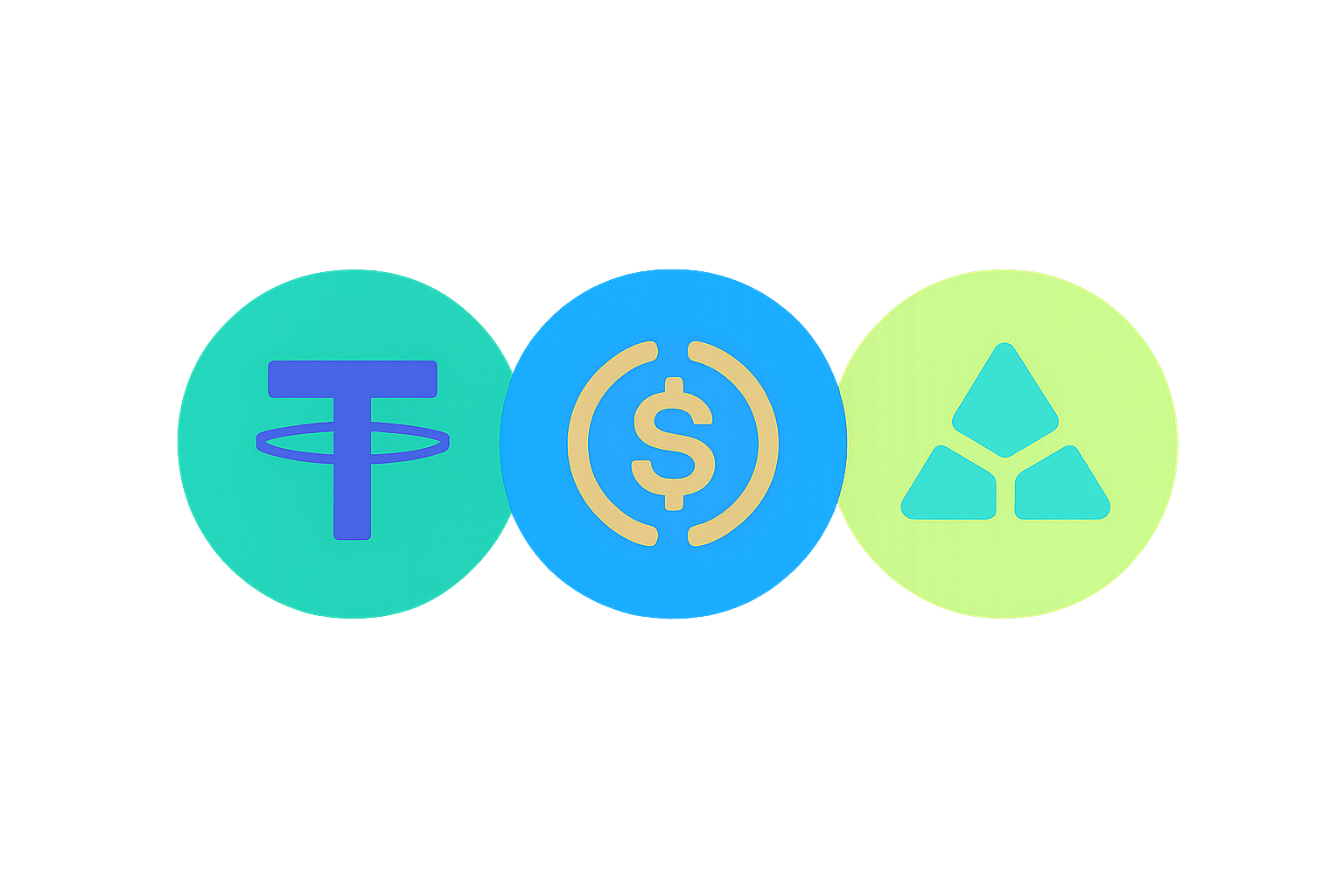
Stablecoin Comparison: USDT vs USDC vs FDUSD
What Are Stablecoins?
A stablecoin is a cryptocurrency with a value pegged to another asset or commodity, such as fiat currency or gold. Unlike traditional cryptocurrencies such as Bitcoin and Ethereum, which are prone to dramatic price fluctuations, stablecoins maintain a consistent value by pegging their worth to stable assets. This price stability makes them highly practical for everyday use, facilitating smoother transactions and acting as a reliable store of value in volatile markets.
Stablecoins serve multiple critical functions within the cryptocurrency ecosystem. They have become increasingly popular in trading and blockchain finance platforms, providing a stable base for trading pairs and yield-generating activities. For new traders, stablecoins offer an easier entry point to explore digital assets and engage with cryptocurrency markets without experiencing extreme volatility. Additionally, stablecoins act as a bridge between crypto markets and traditional finance, making it easier for individuals and businesses to adopt digital currencies. They also enhance the efficiency of payments and remittances by offering instant, low-cost transfers across borders.
USDC vs USDT vs FDUSD: A Stablecoin Comparison
USDT: The Market Leader
USDT represents one of the largest stablecoins in the cryptocurrency market, with a substantial market capitalization and significant daily trading volume. Launched in 2014 by Tether Limited—originally under the name Realcoin before rebranding in 2015—USDT has established itself as a leading cryptocurrency globally, maintaining strong market presence alongside Bitcoin and Ethereum.
USDT is pegged to the US Dollar on a 1:1 basis, with Tether guaranteeing this peg by allocating an equal amount of USD to its reserves whenever new USDT tokens are issued. This mechanism makes USDT an ideal choice for investors during periods of intense market volatility, allowing them to safely park their assets without converting to fiat currency. While USDT remains primarily dollar-pegged, Tether also issues tokens pegged to the Euro, Chinese yuan, Mexican peso, and gold.
Tether maintains transparency through regular reserve disclosures. The company reports substantial assets backing the USDT stablecoin through diversified holdings. The reserve composition includes significant allocations in cash, cash equivalents, short-term deposits, and commercial paper—with substantial percentages specifically held in US Treasury Bills. Additional holdings include precious metals, cryptocurrencies, secured loans, corporate bonds, and other investment instruments.
Despite its market dominance, USDT has faced periodic discussions regarding reserve management and regulatory oversight. These considerations have led some market participants to evaluate alternative stablecoin options.
USDC: The Regulated Alternative
USD Coin represents a major stablecoin option that launched in September 2018, establishing itself as a significant player by market capitalization. USDC was developed by Center, a consortium founded by leading cryptocurrency service providers and blockchain infrastructure companies focused on institutional-grade solutions.
Circle, USDC's parent organization, asserts that each USDC is backed by a dollar held in reserve plus other approved investments. The company emphasizes comprehensive reserve backing to ensure credibility and maintains regular attestation reports independently reviewed by major accounting firms. Since 2023, USDC provides monthly transparency disclosures reviewed by recognized auditors.
USDC has achieved significant adoption across multiple blockchain networks, establishing itself as a preferred option for users prioritizing regulatory compliance and institutional trust. USDC continues to strengthen its market position through consistent reserve management practices and transparent reporting standards.
FDUSD: The Emerging Contender
FDUSD represents one of the newer entrants to the stablecoin market, introduced in June 2023 by First Digital Limited, a Hong Kong-based financial services company. Each FDUSD token is backed by one US dollar or an asset of equivalent value held by custodian entities, which serve to maintain reserve integrity.
As custodian, designated entities are required to maintain FDUSD reserves in segregated accounts separate from other assets, and these reserves must be held in cash or highly liquid assets. FDUSD was initially issued on major blockchain networks with plans for expansion to additional platforms. The stablecoin differentiates itself by offering instruments for portfolio diversification and supporting multiple use cases including remittances, payment solutions, volatility hedging, and blockchain-based financial applications.
Similarities And Differences Between USDT, USDC, And FDUSD
All three stablecoins share fundamental characteristics while differing in operational scope and maturity. USDT, USDC, and FDUSD are all fiat-backed and pegged to the US dollar at a 1:1 ratio, providing predictable value preservation. All three undergo regular audits to ensure transparency and maintain market trust.
Market acceptance represents another key similarity: USDT and USDC achieve widespread support across major cryptocurrency platforms and operate on multiple blockchain networks. FDUSD, being newer, currently maintains more limited network availability compared to established alternatives.
Key differences emerge in their reserve compositions and blockchain availability. USDT maintains diversified reserves across multiple asset categories. USDC focuses on straightforward reserve structures emphasizing regulated financial instruments. FDUSD emphasizes custodial segregation and liquid asset holdings with institutional oversight.
The three stablecoins differ significantly in market capitalization and adoption timeline. USDT maintains the largest market presence through established operational history spanning over a decade. USDC follows as a significant market participant, while FDUSD, despite its potential, represents a more recent market entry with growing adoption trajectories.
Major Blockchain Networks: The Ideal Platforms For Stablecoins
Leading blockchain networks have emerged as optimal platforms for stablecoin deployment and utilization for several compelling reasons. Major smart chain solutions and their Layer 2 extensions collectively boast significant daily active user bases, establishing themselves as actively used blockchain infrastructure.
Transaction efficiency represents a critical advantage. Advanced blockchain networks have expanded their capabilities to handle significant demand surges without proportional increases in transaction costs. Layer 2 solutions further enhance this capability by enabling thousands of transactions per second, providing exceptional throughput for high-volume stablecoin transfers.
Cost-effectiveness distinguishes advanced blockchain platforms from competitors. Gas fees on leading platforms remain exceptionally low per transaction, making them economical for frequent stablecoin transactions—a critical requirement for everyday payment use cases.
Major blockchain ecosystems support thriving communities in Web3 gaming, blockchain finance, and emerging digital asset sectors. These communities provide stablecoin holders with maximum engagement opportunities and practical utility. Furthermore, leading platforms have integrated and incentivized stablecoins through various development programs and growth mechanisms.
Bridge infrastructure between digital and traditional finance strengthens stablecoin ecosystems. Major blockchain networks have partnered with leading payment gateways and financial service providers, enabling real-world transactions using stablecoins and facilitating practical adoption beyond cryptocurrency trading environments.
Conclusion
Stablecoins have established themselves as vital components of the cryptocurrency ecosystem, combining blockchain technology's speed and security features with price stability that enables practical, everyday use. Among the leading stablecoins, USDT maintains strong market presence through extensive adoption and liquidity, USDC offers a regulated alternative with institutional backing, and FDUSD represents emerging options with innovative approaches to reserve management and custodial practices.
Major blockchain platforms have positioned themselves as premier infrastructure for stablecoin deployment through their combination of user adoption, transaction efficiency, cost-effectiveness, and ecosystem development. Strategic partnerships with payment gateways and commitment to stablecoin integration demonstrate industry focus on practical cryptocurrency adoption. These collective efforts align with the broader industry goal of transitioning stablecoins from trading instruments to functional everyday currencies, ultimately supporting the onboarding of mainstream users into the blockchain ecosystem.
FAQ
Is USDC better than USDT?
USDC offers superior transparency and regulatory compliance, making it ideal for users prioritizing security. While USDT dominates market adoption, USDC leads in transaction volume. Choose based on your priorities: USDC for compliance, USDT for wider acceptance.
Is 1 USDC equal to 1 USDT?
Technically yes, both USDC and USDT are pegged to the US dollar at 1:1. However, minor market fluctuations can cause slight price variations between the two stablecoins on different blockchain networks.
Is it cheaper to transfer USDT or USDC?
USDC generally offers lower transfer fees compared to USDT, especially on Ethereum. However, costs vary by blockchain network and current gas prices. Consider using alternative chains like Polygon or Solana for both stablecoins to minimize fees significantly.
Is USDC safe to hold?
Yes, USDC is safe to hold. It maintains a 1:1 peg to the US Dollar with regulatory compliance and transparent reserves. USDC offers high liquidity and wide adoption across platforms, making it reliable for holding and trading.

Token Advantages: Explore Their Functions and Benefits

Understanding Automated Market Makers in Decentralized Finance: A Comprehensive Overview

Understanding the Mechanics of Liquidity Pools in Decentralized Finance

Understanding Automated Market Makers: A Key Component of DeFi

Efficient Protocol for Stable Coin Exchange

Comprehensive Overview of Leveraged Sports Betting in the Avalanche Ecosystem
How to Pay Bills with Cryptocurrency
Metaplanet Stock Price Prediction 2025: What Bitcoin Investors Should Know?
Arbitrum Airdrop Guide: Cross-Chain Bridge Tutorial
Fhenix Airdrop Guide: How to Participate and Claim FHE Rewards
Base Chain: An Ethereum Layer-2 Scaling Solution