fomox
MarketsPerpsSpotSwap
Meme
Referral
More
Search Token/Wallet
/

Web3 Revolution: Exploring the Future Beyond Web 2

2025-11-17 06:46:36
Blockchain
DAO
DeFi
NFTs
Web 3.0
Article Rating : 4.3
0 ratings
"Web3 Revolution: Exploring the Future Beyond Web 2" delves into the evolution of the internet from Web1 to Web3, emphasizing the shift towards decentralized data ownership and governance. It contrasts Web2's centralized model with Web3's blockchain-based decentralization, highlighting the pros and cons of each. Readers will gain insights into using Web3 applications, including crypto wallets and dApps. Ideal for tech enthusiasts and digital innovators, the article addresses the ongoing transition, user experience, and security enhancements in Web3.
Web3 Revolution: Exploring the Future Beyond Web 2

What Are Web2 and Web3? Understanding the Web's History

The World Wide Web has undergone significant evolution since its inception. This article explores the journey from Web1 to Web3, highlighting the key differences and implications for users.

What are the 3 types of the web?

The web has evolved through three main stages: Web1, Web2, and Web3. Each stage represents a significant shift in how we interact with and use the internet.

  1. Web1: The first iteration of the web, also known as the 'read-only' web, was primarily static. It consisted of simple HTML pages with hyperlinks, allowing users to access information but with limited interaction.

  2. Web2: This is the current dominant form of the web, characterized by user-generated content and social interaction. It's often referred to as the 'read-write' web, where users can both consume and create content.

  3. Web3: The emerging next phase of the web, built on blockchain technology. It aims to create a more decentralized internet where users have greater control over their data and digital identities.

What is the Difference Between Web2 and Web3?

The primary distinction between Web2 and Web3 lies in their underlying architecture and philosophy:

  1. Centralization vs. Decentralization: Web2 is centralized, with large tech companies controlling most of the infrastructure and data. Web3 aims for a decentralized structure using blockchain technology.

  2. Data Ownership: In Web2, user data is largely controlled by companies. Web3 proposes a model where users have more control over their personal data.

  3. Governance: Web2 platforms are typically governed by corporate structures. Web3 often utilizes decentralized autonomous organizations (DAOs) for decision-making.

Pros and Cons of Web2 and Web3

Both Web2 and Web3 have their advantages and drawbacks:

Web2 Pros:

  • User-friendly interfaces
  • Established infrastructure
  • Rapid scalability

Web2 Cons:

  • Privacy concerns
  • Centralized control
  • Vulnerability to single points of failure

Web3 Pros:

  • Enhanced privacy and data ownership
  • Censorship resistance
  • Decentralized governance

Web3 Cons:

  • Steeper learning curve
  • Higher transaction costs
  • Slower development and scaling

How to Use Web3

To engage with Web3:

  1. Set up a crypto wallet compatible with your chosen blockchain (e.g., MetaMask for Ethereum).
  2. Connect your wallet to Web3 applications (dApps).
  3. Explore various dApps across categories like DeFi, NFTs, and gaming.
  4. Participate in decentralized governance through DAOs.

Conclusion

The evolution from Web2 to Web3 represents a significant shift in how we interact with the internet. While Web2 offers convenience and established infrastructure, Web3 promises greater user control and data ownership. As Web3 technology continues to develop, it has the potential to reshape our digital landscape, offering new possibilities for privacy, ownership, and decentralized interaction. However, challenges remain in terms of user adoption and scalability. The future of the web will likely involve a balance between the strengths of both Web2 and Web3 technologies. As of 2025, we are still in a transition phase, with Web3 gaining more traction but Web2 remaining dominant in many areas.

FAQ

Are we in Web2 or Web3?

We're in a transition phase. While Web2 still dominates, Web3 is rapidly growing, with blockchain and decentralized technologies gaining traction in various sectors.

Will Web3 replace Web2?

Web3 will likely coexist with Web2, enhancing rather than replacing it. It will introduce decentralized features and user ownership, complementing existing web technologies.

How does Web 3.0 differ from Web 2.0 in terms of user experience?

Web 3.0 offers decentralized, user-owned experiences with enhanced privacy and control. Users interact directly with blockchain-based apps, manage their own data and digital assets, and enjoy more personalized, AI-driven services.

Is Web3 more secure than Web2?

Yes, Web3 is generally more secure than Web2 due to its decentralized nature, blockchain technology, and cryptographic protocols, which reduce single points of failure and enhance data integrity.

* The information is not intended to be and does not constitute financial advice or any other recommendation of any sort offered or endorsed by Gate.

Share

Content

What are the 3 types of the web?

What is the Difference Between Web2 and Web3?

Pros and Cons of Web2 and Web3

How to Use Web3

Conclusion

FAQ

Related Articles
Understanding Soulbound Tokens: A Comprehensive Guide

Understanding Soulbound Tokens: A Comprehensive Guide

This article explores Soulbound Tokens (SBTs), highlighting their role in identity verification within the blockchain ecosystem. It addresses how SBTs differ from NFTs due to their non-transferable nature, creating opportunities for secure credential management in sectors like education, finance, and healthcare. The guide tackles challenges such as security risks, privacy concerns, and discriminatory practices. Ideal for those interested in decentralized identity systems, it provides a concise comparison of soulbound tokens and NFTs, facilitating quick comprehension for Web3 enthusiasts and developers alike.
2025-12-20 05:17:44
Understanding Fractional NFTs: A Comprehensive Guide

Understanding Fractional NFTs: A Comprehensive Guide

This article offers an insightful exploration into Fractional NFTs (FNFTs), a significant innovation transforming digital asset ownership. It delves into the mechanics, benefits, and challenges of FNFTs, highlighting their ability to democratize access to high-value NFTs and enhance market liquidity. Targeting investors and creators, it discusses accessibility, decentralized governance, and integration with DeFi solutions, alongside potential drawbacks such as regulatory and smart contract risks. Readers will gain a comprehensive understanding of FNFTs' role in reshaping the NFT landscape and their practical applications in today's digital economy. Keywords: Fractional NFTs, democratization, liquidity, digital assets, DeFi.
2025-12-25 05:04:43
How does community engagement drive growth in Web3 ecosystems?

How does community engagement drive growth in Web3 ecosystems?

This article comprehensively examines how community engagement drives growth in Web3 ecosystems, focusing on various platforms like Twitter, Telegram, Discord, and GitHub. It highlights the importance of understanding specific engagement metrics to tailor strategies effectively. The piece also explores Chainlink's case as a robust example of community-driven success in Web3, with its expansive DApp ecosystem and notable user engagement growth. The article addresses the significance of community vitality in enhancing on-chain transactions and stresses the strategic allocation of marketing resources to bolster community engagement. It is ideal for blockchain developers, marketers, and project managers aiming to optimize community involvement as a driver for sustainable growth.
2025-12-02 01:20:12
Web3: Concept and Fundamentals of the Decentralized Internet
Web3: Concept and Fundamentals of the Decentralized Internet

Learn the essentials of Web3 and the decentralized internet. See how blockchain technology and smart contracts are reshaping the digital world, building a fairer and more transparent ecosystem for everyone. Join the movement to define the future of the internet with Web3.
2025-12-21 15:05:28
Exploring the Future of Decentralized Autonomous Organizations (DAO)

Exploring the Future of Decentralized Autonomous Organizations (DAO)

This article delves into the transformative potential of Soulbound Tokens (SBTs) within the blockchain ecosystem. By permanently linking tokens to individual identities, SBTs offer a reliable solution for identity verification and reputation management across sectors like art, finance, and DAOs. The article examines how SBTs can authenticate art, enhance financial lending, and optimize DAO governance, addressing the needs of organizations seeking decentralized trust systems. Each section explores SBT's role in creating verifiable digital identities, paving the way for innovative applications that bolster transparency and trust in decentralized environments.
2025-12-24 17:42:18
How Active Is RIVER's Community and Ecosystem in 2025?

How Active Is RIVER's Community and Ecosystem in 2025?

The article explores RIVER's community and ecosystem activity in 2025, highlighting its expansive social media reach exceeding 1 million followers and impressive market metrics. It delves into vibrant community interactions averaging 10,000 daily engagements and dynamic developer contributions with over 500 monthly commits. The piece further discusses RIVER's robust DApp ecosystem with 50+ active applications. It offers valuable insights for stakeholders in the DeFi space looking to understand the platform's growth, community influence, and technical advancements within the Ethereum, Base, and BNB ecosystems.
2025-10-29 03:33:03
Recommended for You
How to Pay Bills with Cryptocurrency

How to Pay Bills with Cryptocurrency

This comprehensive guide explores how to pay everyday bills using cryptocurrency, transforming digital assets into practical payment tools. Learn how crypto payment cards enable seamless transactions at millions of merchants accepting Visa or Mastercard, while direct cryptocurrency payments support rent, utilities, subscriptions, and more. Discover the key benefits—lower fees, enhanced security, and borderless payments—alongside essential risk management strategies using stablecoins like USDT and USDC. Follow step-by-step instructions to set up a crypto wallet, acquire digital assets, and choose reliable payment platforms on Gate. Master best practices for wallet security, tax compliance, and volatility management to confidently integrate cryptocurrency into your everyday financial life while maintaining full control over your digital assets and transaction records.
2026-01-11 20:06:23
Metaplanet Stock Price Prediction 2025: What Bitcoin Investors Should Know?
Metaplanet Stock Price Prediction 2025: What Bitcoin Investors Should Know?

This article explores Metaplanet Inc., Japan's pioneering Bitcoin Treasury company trading on the Tokyo Stock Exchange (TSE: 3350.T). The company has transformed from a struggling hotel operator into Asia's MicroStrategy equivalent, accumulating approximately 7,800 BTC valued at $850 million as of May 2025, targeting 21,000 BTC by 2026. Metaplanet serves as a strategic hedge against Japan's 235% debt-to-GDP ratio and yen depreciation, offering investors leveraged Bitcoin exposure through equity markets via Gate and other platforms. The stock has surged 427% since April 2024, attracting significant short interest and triggering multiple trading halts. This comprehensive guide covers Metaplanet's business model, Bitcoin holdings performance, stock trading mechanisms, and investment implications for cryptocurrency-focused investors seeking corporate Bitcoin exposure.
2026-01-11 19:39:24
Arbitrum Airdrop Guide: Cross-Chain Bridge Tutorial
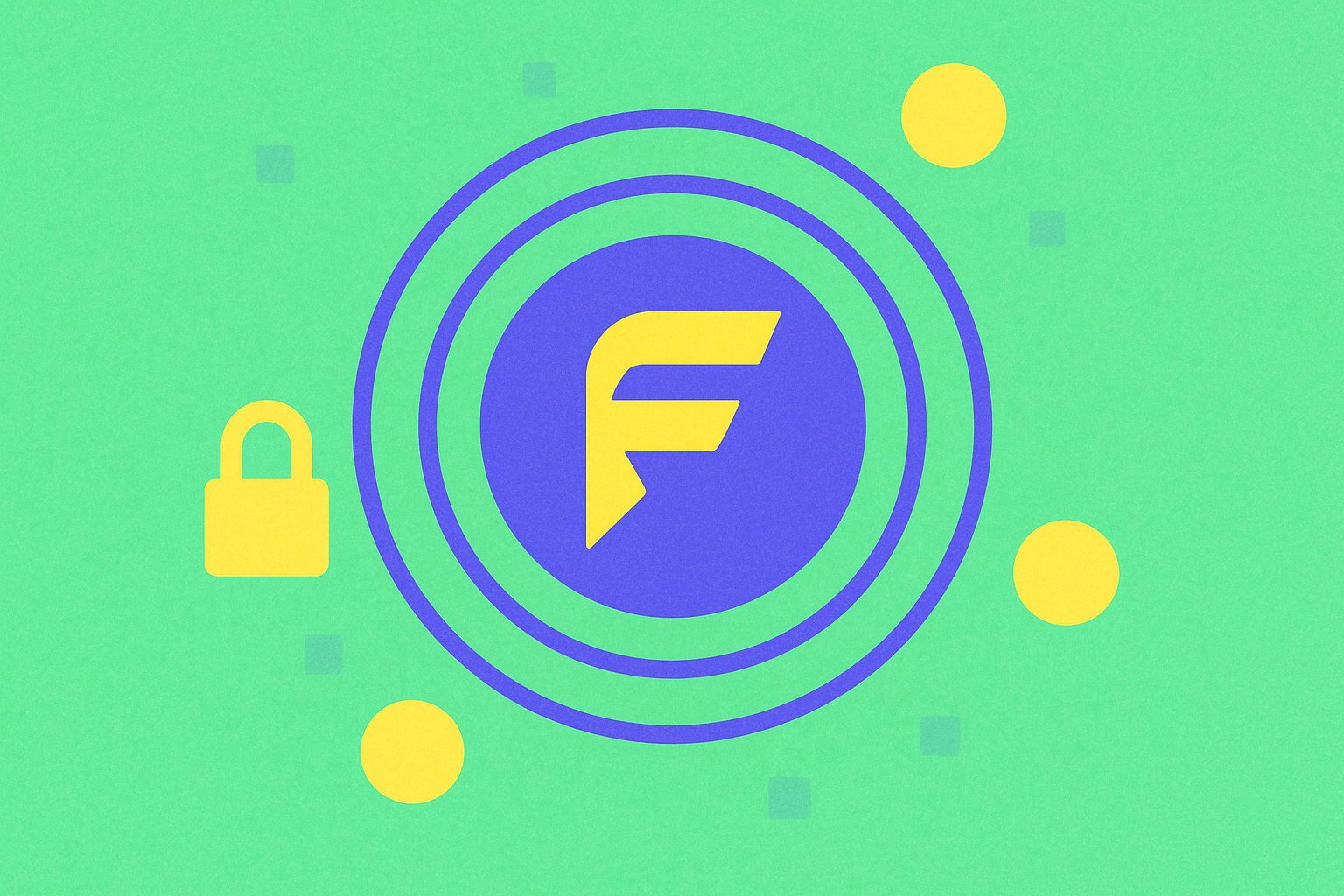
Arbitrum Airdrop Guide: Cross-Chain Bridge Tutorial

This comprehensive guide equips cryptocurrency users with essential strategies for efficiently claiming Arbitrum airdrops. Covering Layer 2 scalability solutions, the guide explains how to bridge assets from Ethereum mainnet to Arbitrum One and Arbitrum Nova through official channels and reputable protocols like Multichain and Synapse Protocol. It details on-chain activity requirements, bridging procedures, and gas fee optimization techniques. The guide addresses cross-chain transfer risks and security best practices while highlighting Arbitrum's advantages over competing Layer 2 solutions. Perfect for both newcomers and experienced traders seeking to maximize airdrop eligibility through strategic ecosystem participation and asset management on high-performance networks.
2026-01-11 19:36:13
Fhenix Airdrop Guide: How to Participate and Claim FHE Rewards
Fhenix Airdrop Guide: How to Participate and Claim FHE Rewards

This comprehensive guide helps cryptocurrency enthusiasts maximize rewards through Fhenix (FHE) airdrop participation. Fhenix is a groundbreaking Layer 2 solution implementing Fully Homomorphic Encryption (FHE) for on-chain privacy, backed by $22 million from top-tier investors. The article outlines strategic participation steps across Discord engagement, testnet deployment, and wallet verification to qualify for token distribution. Key sections cover airdrop timeline, tokenomics insights with 2 billion total supply, and projected price ranges from $0.10-$0.25 short-term to $1.00-$2.50 long-term. Readers learn actionable strategies for earning recognition while staying informed through official Fhenix channels. Perfect for developers, investors, and privacy advocates seeking exposure to next-generation decentralized privacy infrastructure.
2026-01-11 19:34:30
Base Chain: An Ethereum Layer-2 Scaling Solution
Base Chain: An Ethereum Layer-2 Scaling Solution

This comprehensive guide equips traders with essential knowledge for navigating meme coin trading on Base Chain, an Ethereum Layer-2 scaling solution offering significantly lower fees and faster transactions. The article covers Base Chain's technical architecture using Optimistic Rollups, explaining how it bundles transactions off-chain for cost efficiency while inheriting Ethereum's security. You'll discover Base's tokenomics framework governing token distribution, supply mechanics, and governance participation. The guide explores the thriving ecosystem including DeFi protocols, NFTs, gaming, and community-driven tokens like SeamlessFi and Normie. Practical sections provide step-by-step instructions for accessing Base addresses through Web3 wallets and managing private keys securely. Whether you're a developer seeking low-cost deployment or a trader exploring meme coin opportunities, this guide demystifies Base Chain's scalability advantages, highlights growth drivers, and addresses critical security conside
2026-01-11 19:31:46
How do you use a crypto card for everyday transactions?

How do you use a crypto card for everyday transactions?

Learn how to use a crypto card for your daily spending. The Bitget Wallet Card delivers real-time conversions, offers up to 8% APY, and features industry-leading low fees. Get yours for free now!
2026-01-11 19:28:59