What Are Altcoins? Essential Cryptocurrency Investment Fundamentals for Beginners
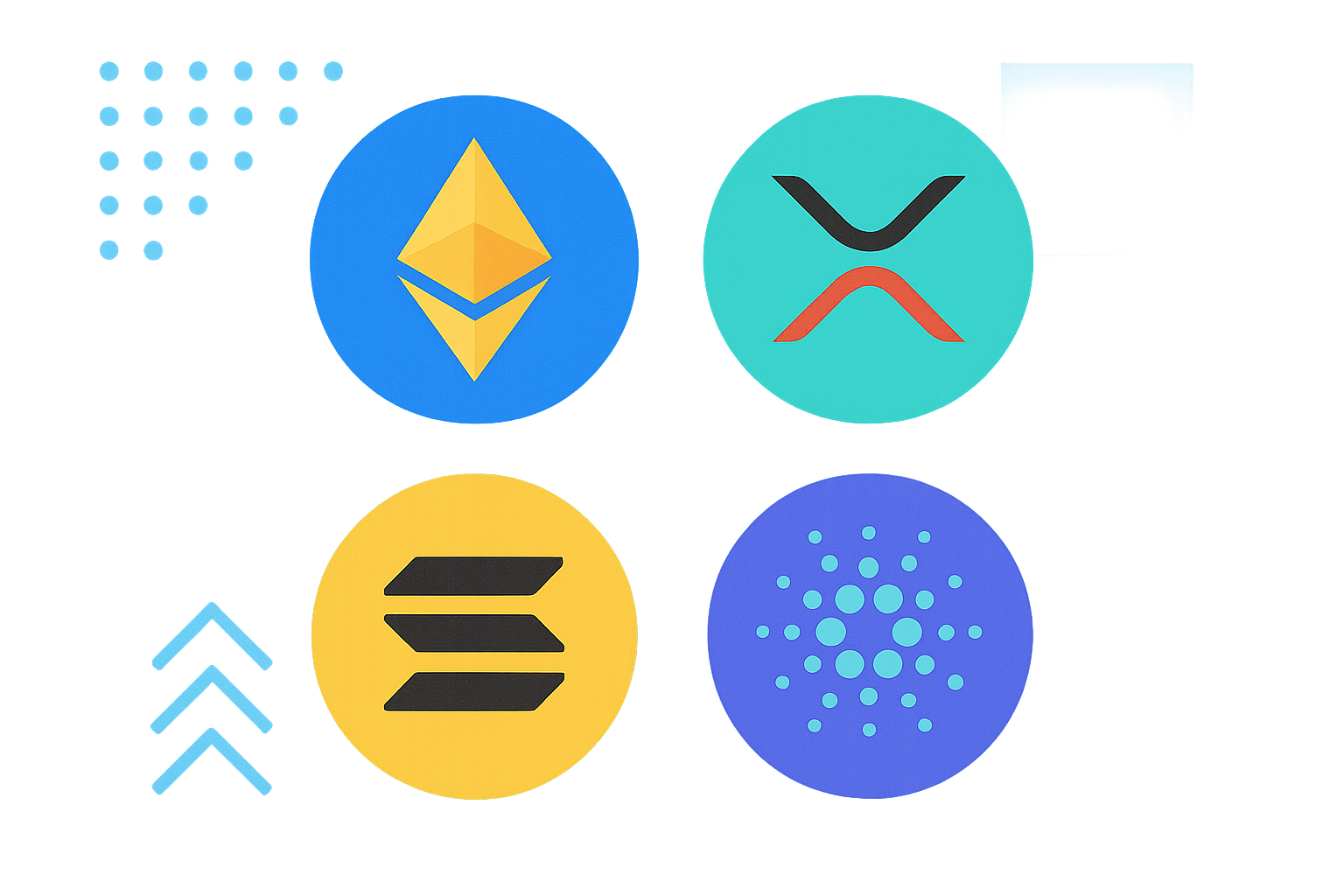
What Are Altcoins?
Bitcoin remains the original and largest cryptocurrency, yet since its launch in 2009, thousands of alternative digital currencies have entered the market. These alternatives are collectively known as altcoins.
The word "altcoin" combines "alternative" and "coin," referring to all cryptocurrencies other than Bitcoin. Just as there are many types of vehicles for different needs, altcoins are designed to solve problems or offer features that Bitcoin cannot address.
The crypto market includes a wide variety of coins, each with distinct characteristics and purposes. While Bitcoin represents about half of the total crypto market value, altcoins account for the remainder, underscoring their increasing importance in the digital economy.
To accurately understand altcoins, it’s important to define core terminology in crypto. "Altcoin" means any cryptocurrency other than Bitcoin.
Some investors and analysts, however, use "altcoin" for any cryptocurrency except Bitcoin and Ethereum, since these two are the most prominent and established digital assets.
Altcoins generally fall into two main categories:
- Bitcoin-Based: Coins that share Bitcoin’s codebase but are modified to include new features
- Independently Developed: Coins created from the ground up with their own code and operational logic
Most altcoins are designed to overcome Bitcoin’s limitations, tackling issues like transaction speed, energy consumption, privacy features, or application diversity. Each offers a unique value proposition to stand apart from Bitcoin and other cryptocurrencies.
Types of Altcoins
The altcoin universe is highly diverse, with categories supporting different use cases within the broader crypto ecosystem.
Stablecoins
Stablecoins aim to minimize price volatility by pegging their value to stable assets like the US dollar or gold. Examples include USDC, USDT, and DAI. Unlike most cryptocurrencies, stablecoins target consistent value, serving as a "safe haven" for daily transactions or during market swings.
Utility Tokens
Utility tokens allow access to services within a particular blockchain network. They operate like digital keys that unlock platform functions and services. XRP, used for cross-border payments, and MATIC, used for transaction fees on Polygon, are leading examples of utility tokens.
Payment Tokens
Payment tokens are intended as digital currencies for exchanging value. They focus on efficient transfers, emphasizing speed and low transaction fees.
Governance Tokens
Governance tokens give holders voting power in blockchain project decisions. By owning these tokens, users can vote on protocol changes, much like shareholders vote on corporate matters. Maker (MKR) is a notable example, allowing holders to help steer the MakerDAO platform.
Security Tokens
Security tokens represent external asset ownership, functioning much like traditional securities. They may reflect company shares, real estate units, or other investments, and are typically subject to securities regulations.
Meme Coins
Initially created as jokes or social commentary, meme coins have grown popular through strong community support. Dogecoin (DOGE) and Shiba Inu (SHIB) are leading examples—both began as internet memes and now boast large followings. These coins generally have large or unlimited supplies and low unit prices.
Play-to-Earn Tokens
Play-to-earn tokens are used in blockchain-based games where players earn crypto rewards through gameplay. Axie Infinity stands out: players breed, raise, and battle fantasy creatures to earn tokens, which can be traded for other currencies.
Major Altcoins
With countless altcoins in circulation, the following are most notable for their utility and market capitalization.
1. Ethereum (ETH)
Ethereum is the largest altcoin. While Bitcoin mainly serves as digital cash, Ethereum introduced "smart contracts" that automatically execute under certain conditions. This innovation enables thousands of apps, from financial services to games and art marketplaces, to run on its platform.
2. XRP
XRP, developed by Ripple Labs, is designed for fast, low-cost international payments. It is particularly used by financial institutions seeking alternatives to traditional cross-border banking systems.
3. Solana (SOL)
Solana is famous for extremely high transaction speeds and low fees. Its blockchain can process thousands of transactions per second, appealing to high-throughput applications like trading platforms and games.
4. Cardano (ADA)
Cardano is built with a research-first philosophy, emphasizing security and sustainability in its blockchain development. It uses a proof-of-stake (PoS) mechanism, which is much more energy-efficient than Bitcoin’s mining.
5. Litecoin (LTC)
Often called "the silver to Bitcoin’s gold," Litecoin is among the earliest altcoins. It offers faster transaction confirmations and uses a different hash algorithm. With a strong track record, low fees, and broad acceptance, Litecoin is popular for routine payments.
6. Dogecoin (DOGE)
Dogecoin started as a meme but has since become one of the most recognizable cryptocurrencies worldwide. Despite its lighthearted beginnings, Dogecoin boasts a passionate community and major celebrity endorsements. Its low price and limitless supply make it ideal for tipping and microtransactions online.
7. Tether (USDT)
Tether is the largest stablecoin by market cap, maintaining parity with the US dollar. Each USDT token is backed by reserves intended to keep its value at one dollar, allowing traders to move between volatile crypto assets and stability without converting to fiat currency. It’s also among the most traded cryptocurrencies by daily volume.
8. USD Coin (USDC)
USD Coin is a regulated stablecoin pegged to the US dollar. Created by the Centre Consortium, it ensures transparency through regular audits of dollar reserves. USDC is critical infrastructure for decentralized finance and cross-border payments.
9. Shiba Inu (SHIB)
Shiba Inu launched as a Dogecoin alternative and quickly gained major traction. Though it began as a meme coin, the project now includes a decentralized exchange (ShibaSwap), NFT platform, and additional utilities. Its very low price per token lets retail investors own millions or billions of SHIB, driving its popularity.
10. Uniswap (UNI)
Uniswap transformed crypto trading with its automated market maker (AMM) system. As a top decentralized exchange, users can swap tokens directly from their wallets without intermediaries. UNI token holders can also vote on protocol governance decisions.
Each of these altcoins brings unique features and benefits beyond Bitcoin, tailored to specific use cases and market needs.
Key Altcoin Metrics
Making smart altcoin investment decisions requires understanding two key metrics: altcoin dominance and market capitalization.
Altcoin Dominance
Altcoin dominance measures the percentage of the total crypto market value accounted for by all altcoins. The calculation is:
Altcoin Dominance = (Total Crypto Market Cap − Bitcoin Market Cap) / Total Crypto Market Cap × 100%
When Bitcoin’s dominance drops, altcoin dominance rises, signaling capital is flowing into other cryptocurrencies.
Altcoin dominance charts are valuable for spotting market trends.
- Rising altcoin dominance (typically over 55%) points to an "altcoin season," where altcoins outperform Bitcoin
- Falling altcoin dominance shows a Bitcoin-centric market with investors focused on BTC
Historically, altcoin dominance peaked around 67% during past bull runs and later stabilized near 60%. These phases coincided with rapid altcoin price increases.
Altcoin Market Capitalization
Altcoin market cap reflects the total value of all circulating altcoins. It is calculated by multiplying each coin’s price by its circulating supply and adding them up—excluding Bitcoin.
Tracking altcoin market cap gives valuable insights.
- Steady growth in total altcoin market cap often indicates sustained interest in the broader crypto ecosystem
- Sharp spikes may signal speculative excess or potential bubbles
- Comparing market caps helps gauge relative importance and adoption rates
Many investors track the ratio of Bitcoin’s market cap to the total altcoin market cap to spot capital flows between segments. When funds move from Bitcoin to altcoins, prices across the altcoin market typically rise.
Pros and Cons of Investing in Altcoins
Like any investment, altcoins offer both advantages and disadvantages.
Advantages of Altcoin Investing
-
High Growth Potential: Altcoins’ smaller market caps mean greater room for upside if a project succeeds. Investing in smaller altcoins can yield much bigger gains than putting the same amount into Bitcoin.
-
Diverse Investment Choices: With so many altcoins, investors can target projects that fit certain technologies, industries, or beliefs.
-
Utility Beyond Simple Currency: Many altcoins enable decentralized apps or governance rights, offering more than just a store of value.
Disadvantages of Altcoin Investing
-
High Risk: Altcoins are riskier than Bitcoin. Many projects fail, and smaller altcoins are especially prone to loss.
-
Market Volatility: Altcoin prices can swing 20–30% in a single day, complicating investment timing.
-
Low Liquidity: Most altcoins have lower trading volumes, making large trades difficult to execute without affecting prices.
-
Regulatory Uncertainty: Crypto regulations are still evolving. Future rules could significantly impact certain altcoins, especially those that may be classified as securities.
-
Fraud and Failure: The altcoin market is rife with scams, fraudulent projects, and failed ventures. Without proper research, investors are vulnerable to Ponzi schemes or undelivered promises.
How to Research Altcoins
Because of the risks, thorough due diligence is essential before investing in altcoins. Consider these key factors when evaluating a project:
1. Understand the Project’s Purpose and Problem
- What real-world issue does the altcoin solve?
- Is there genuine demand, or is it addressing a non-existent problem?
- How does it compare to current solutions?
2. Assess the Team
- Research the development team’s background and track record
- Verify team member identities and credentials
- Check for a history of successful projects
- See how many active developers contribute to the project
3. Read the Whitepaper
The whitepaper describes the token’s technology, goals, and execution plan. Look for:
- Clear, detailed technical explanations
- A defined roadmap with realistic milestones
- Transparent tokenomics (distribution and use of tokens)
- Red flags like vague writing, unrealistic claims, or poor quality
4. Analyze Tokenomics
- What’s the total token supply?
- How is the supply distributed?
- Are there safeguards against inflation?
- Is there a lock-up period for team tokens?
5. Review Market Metrics
- Market Cap: Total value of all circulating tokens
- Liquidity: Ease of buying/selling without moving the price
- Trading Volume: Daily trading activity
- Price History: Historical price performance
6. Community and Adoption
- Size and engagement of social media and forum communities
- Partnerships with companies or organizations
- Real-world usage and adoption stats
- Quality of communications from the project team
7. Security and Audits
- Has the code been audited by reputable security firms?
- Any history of security breaches?
- How decentralized is the network?
Reviewing these aspects helps you make informed decisions about which altcoins are worth investing in and which to avoid.
Conclusion
The altcoin market has grown dramatically since Litecoin’s early days, evolving into a vast ecosystem of digital assets. Altcoins are now more than Bitcoin substitutes—they stand as unique investments with innovative technology and practical use cases.
Thorough research is essential. Evaluate a project’s tech, team history, tokenomics, and real-world impact before investing.
Market timing is also vital. Use altcoin season indicators and dominance metrics to gauge market trends and enhance investment decisions.
Altcoins offer immense opportunity. With the right knowledge and preparation, you can participate in shaping the digital economy’s future while pursuing strong returns. Staying curious and informed is the best path to success in this fast-moving market.
FAQ
What Are Altcoins, and How Are They Different from Bitcoin?
Altcoins include all crypto assets except Bitcoin. While Bitcoin is mainly a store of value, altcoins were created to address Bitcoin’s shortcomings—like improving scalability and enabling smart contracts. Because they generally have smaller market caps and higher volatility, altcoins can offer greater returns but also higher risk.
What Risks Should Beginners Know Before Investing in Altcoins?
Altcoins’ high price volatility can cause significant losses. There are also security risks, liquidity issues, and project failures. Investing without solid knowledge is risky.
How Should You Select and Buy Altcoins?
When choosing altcoins, focus on market cap, real-world utility, and the credibility of the development team. Only buy from reputable exchanges and always prioritize security.
What Are the Key Features of Major Altcoins Like Ethereum and Ripple?
Major altcoins have larger market caps and generally more stable prices. Ethereum offers smart contracts, while Ripple is specialized for cross-border payments. These coins deliver more practical features than Bitcoin, supporting decentralized apps and financial services.
What Are Basic Strategies for Profiting from Altcoin Investments?
The key strategy is to deeply understand each project and optimize the risk/reward ratio. Monitor trends and balance long-term holding with short-term trading.
How Do You Choose and Safely Store Cryptocurrency Wallets?
Pick a wallet based on your needs: use hot wallets for active trading and cold wallets for long-term storage. Use strong passwords, enable two-factor authentication, never share your private keys, and spread your assets across multiple wallets for added security.
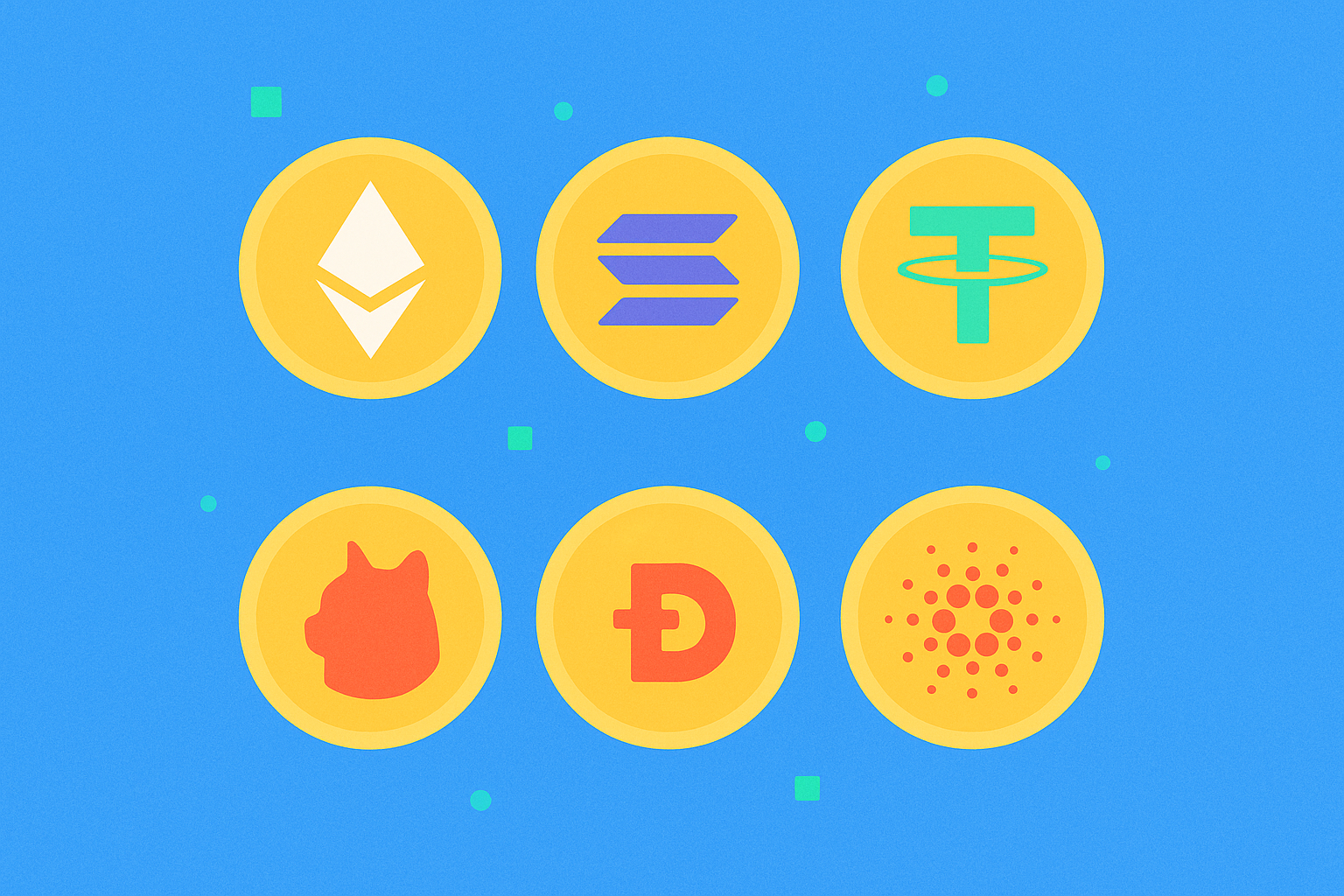
Exploring Altcoins: The Ultimate Beginner's Guide to Alternative Cryptocurrencies
Understanding Altcoins: An Essential Guide for Cryptocurrency Newcomers
What is an Altcoin? A Comprehensive Guide to Alternative Cryptocurrencies
What is an altcoin? The top 10 altcoins you should know about

Was ist ein Altcoin? Top 10 Altcoins, die Sie kennen sollten | Anfängerleitfaden jenseits von Bitcoin

What is an altcoin? The top 10 altcoins you should know in 2025 | A beginner’s guide beyond Bitcoin

What Happens When You Get Liquidated in Crypto
Can I Send Bitcoin from Venmo to Another Wallet?

How Long is the Cooldown for Security Contracts
Do I Have to Verify My Identity on Cash App?
Why is Cash App Asking Me to Verify My Identity?