What are the key on-chain metrics for analyzing blockchain activity: active addresses, transaction volume, whale distribution, and gas fees

ICP Daily On-Chain Transaction Volume Reaches $425,658 with Growing Network Activity
The Internet Computer blockchain has demonstrated robust network engagement, with daily on-chain transaction volume reaching $425,658, signaling meaningful momentum in network utilization and user participation. This transaction volume metric serves as a critical indicator of blockchain health and adoption trends, reflecting genuine activity rather than merely speculative trading. When examining on-chain metrics for blockchain analysis, transaction volume provides essential insights into how actively participants are using the network's infrastructure. The ICP network's growing transaction volume indicates expanding real-world utility and ecosystem development, distinguishing productive network activity from dormant periods. This metric directly correlates with increased developer integration and dApp usage on the Internet Computer platform. Tracking such on-chain transaction data helps analysts understand sustainable blockchain adoption levels, complementing other key metrics like active addresses and whale distribution patterns. The $425,658 daily volume demonstrates that ICP is capturing meaningful market participation, with transactions flowing consistently across the network. As blockchain analysts evaluate network health, transaction volume remains fundamental for assessing whether growth stems from legitimate economic activity. The growing network activity on ICP underscores how on-chain metrics collectively paint a comprehensive picture of blockchain ecosystem development, enabling stakeholders to differentiate between temporary fluctuations and sustained adoption.
Governance Rewards Compound Through Staking: Analyzing ICP's Incentive Mechanism and Token Distribution
ICP's governance reward structure demonstrates how staking mechanisms create measurable on-chain activity patterns. When ICP holders stake their tokens in the Network Nervous System, they create neurons that participate in governance and earn voting rewards. These governance rewards compound organically as participants convert their earned maturity into newly minted ICP tokens, effectively increasing their staked position and future reward potential. The incentive mechanism requires a minimum dissolve delay of six months, with rewards scaling based on neuron age and active governance participation. This lock-up period directly influences token distribution dynamics, as it determines voting power and reward eligibility across the network. Node providers receive additional ICP rewards, creating multiple reward streams that reflect network security and participation levels. The compounding nature of these voting rewards creates a powerful feedback loop—as rewards accumulate and are converted to ICP, participants' governance influence grows proportionally. By analyzing these staking patterns, token distribution metrics, and reward flows, researchers can gauge network health, governance engagement, and the concentration of decision-making power, making governance rewards a critical on-chain metric for understanding blockchain activity beyond simple transaction volume and address metrics.
Cross-Chain Integration Expands: ICP's Asset Interoperability with Bitcoin, Ethereum, and Solana
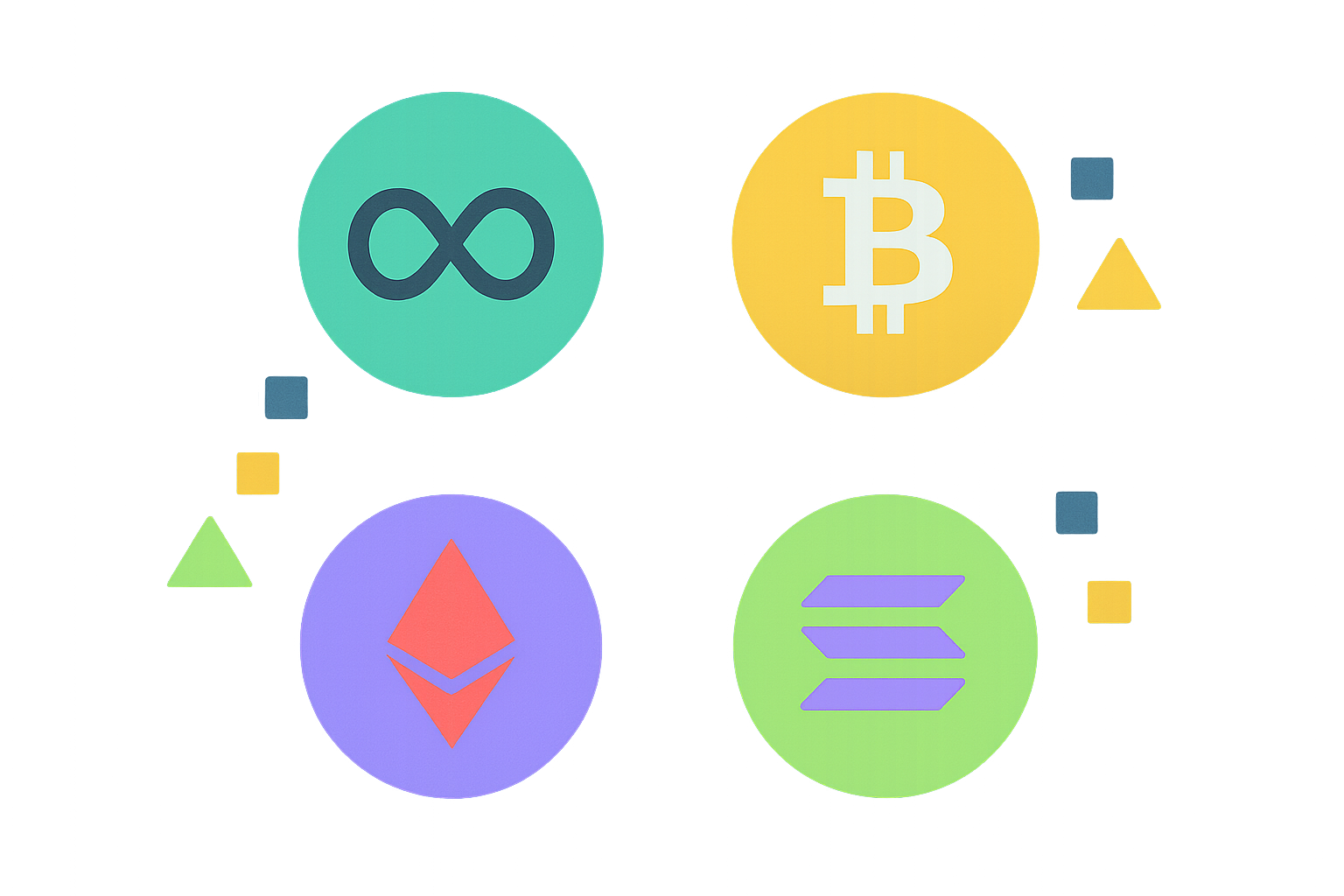
Internet Computer's Chain Fusion technology represents a paradigm shift in cross-chain asset interoperability, enabling direct integration with Bitcoin, Ethereum, and Solana without relying on wrapped tokens or centralized bridges. This native connectivity is crucial for understanding modern on-chain metrics, as it fundamentally alters transaction volume, active addresses, and liquidity distribution across blockchain networks.
Unlike traditional bridge protocols that introduce counterparty risk and slippage, ICP's interoperability approach allows institutional participants to move assets seamlessly between major blockchains while maintaining security and execution speed. This capability directly influences on-chain metrics—increased cross-chain activity generates higher transaction volumes on participating chains and expands the active address ecosystem across interconnected networks.
The 2026 institutional adoption wave intensifies the relevance of ICP's cross-chain infrastructure. Major asset managers and financial institutions require robust interoperability to deploy capital efficiently across multiple blockchain ecosystems. As institutional flows accelerate, on-chain metrics like whale distribution and liquidity concentration shift dramatically, with gate acting as a critical routing hub. The seamless asset flows enabled by ICP's Chain Fusion technology expand total blockchain activity measurably, creating transparent on-chain data that reflects genuine institutional participation rather than speculative retail movement. This positions cross-chain integration as an essential factor for analyzing authentic blockchain activity and network utility metrics.
Network Growth Indicators: Ecosystem Adoption and dApp Development Driving Long-Term Value
Ecosystem adoption serves as a fundamental indicator of sustainable network growth, directly reflected in on-chain metrics that reveal blockchain health beyond price fluctuations. When decentralized applications (dApps) proliferate across a network, transaction volume and active address growth typically accelerate, signaling genuine utility rather than speculative activity. The relationship between dApp development and network metrics becomes evident when examining platforms like the Internet Computer, where canister adoption and total value locked (TVL) expansion correlate with increased institutional interest. Such metrics demonstrate that thriving ecosystems generate measurable blockchain activity—higher transaction throughput, more active participants, and stronger demand for network resources.
Long-term value creation hinges on this organic network expansion. As dApps mature and attract users, on-chain metrics compound, creating a reinforcing cycle where growing ecosystem adoption justifies institutional capital allocation. The 2026 price projection reaching $58.2 for platforms with robust ecosystem metrics reflects investor confidence in sustainable growth models. Analyzing network growth indicators alongside whale distribution patterns and gas fee trends provides a comprehensive view of whether adoption is real and diversified or concentrated among few participants, ultimately revealing whether a blockchain's value proposition translates into meaningful decentralized activity that justifies long-term investment thesis.
FAQ
What are on-chain active addresses and how do they reflect blockchain network health?
On-chain active addresses measure the number of unique wallet addresses participating in transactions within a specific period. Rising active addresses typically indicate expanded user base and increased transaction activity, serving as a positive indicator of network health and ecosystem adoption strength.
How to assess blockchain usage and market activity through transaction volume metrics?
Monitor active addresses, transaction volume, and Network Value-to-Transactions (NVT) ratio. High active addresses and transaction volume indicate increased usage and network health. NVT ratio helps evaluate market valuation relative to on-chain activity—lower NVT suggests undervaluation with strong usage, while higher NVT may indicate overvaluation.
What are whale addresses? How does whale distribution impact the price of crypto assets?
Whale addresses are accounts holding large amounts of cryptocurrency. Whale transactions can significantly influence asset price volatility. Large-scale trades may trigger market panic and selling pressure, while whale movements are closely monitored as indicators of market sentiment and potential price fluctuations.
What is gas fee and why do high or low gas fees affect blockchain user experience?
Gas fees are transaction costs on blockchain networks. Higher fees accelerate transaction confirmation and improve user experience, while lower fees reduce costs but may slow transaction processing speed.
How to comprehensively use these on-chain metrics to assess the true value of blockchain projects?
Compare on-chain transaction volume with trading volume to identify data manipulation. Analyze active addresses, whale distribution, and gas fees together. Cross-reference multiple metrics to verify project authenticity and avoid false signals from single indicators.
What is the relationship between active addresses, transaction volume, and gas fees?
Active addresses, transaction volume, and gas fees are interconnected. Higher transaction volume typically drives up gas fees, while more active addresses indicate increased network usage. Network optimization can reduce gas fees despite higher activity, as demonstrated by Layer 2 solutions and protocol upgrades that enhance efficiency without proportionally raising costs.
What are the differences in meaning of these on-chain metrics between Ethereum and Bitcoin?
Bitcoin focuses on payments and value storage with larger transaction volume and market cap, while Ethereum emphasizes smart contracts and DApps with higher developer activity. Bitcoin's metrics reflect simpler transactions, while Ethereum's metrics show complex contract interactions and ecosystem complexity.
What do large whale address transfers typically signal? How should they be interpreted?
Large whale transfers often signal potential market movements and investor sentiment shifts. They may indicate accumulation before rallies or distribution before sell-offs. However, interpret cautiously—transfers don't guarantee price direction, as whales may move funds between wallets or exchanges for various reasons beyond immediate trading intent.

How Secure is Irys: A Deep Dive into Smart Contract Vulnerabilities and Network Attacks?

How Did Sui Network Lose $223 Million in a Single Hack?

How Does Regulatory Compliance Impact Cryptocurrency Adoption and Risk?
How Can On-Chain Data Analysis Reveal Crypto Market Trends in 2025?

TVL in Cryptocurrencies

What Is Sui Network's Core Value Proposition in the 2025 Blockchain Landscape?
What do derivatives market signals reveal about ONDO price movements: funding rates, open interest, and liquidation data in 2026?

What are the compliance and regulatory risks facing FET token in 2025 amid unclear SEC AI policy stance
How does on-chain data analysis reveal crypto market dynamics with 25% active address growth and $1.2B trading volume?

What is Stellar (XLM)? Analyzing the Whitepaper, Use Cases, and Technical Innovation Behind the Blockchain Payment Network

How does Render (RENDER) community engagement and DApp ecosystem activity compare to other AI infrastructure tokens in 2026?