What Is Governance Token?
Overview of Governance Tokens
Alongside the increasing decentralization of cryptocurrencies, governance tokens have become a core component within the industry. Decentralized projects such as blockchain gaming, decentralized exchanges (DEX), and decentralized autonomous organizations (DAOs) are primary platforms implementing governance tokens.
Governance tokens give holders voting rights on key decisions or proposals that can influence the future direction of these projects. They are essential tools enabling community members to have a say in project management and development. Unlike centralized corporations, decentralized projects often adjust their objectives based on user-issued governance tokens. Owning these tokens allows users to approve existing proposals or submit new ones, creating a truly democratic and transparent ecosystem.
Origins of Governance Tokens
The first cryptocurrency, Bitcoin, functioned solely as an utility token supporting peer-to-peer transactions. Designed as a decentralized medium of exchange, Bitcoin lacked an official governance mechanism for user participation in network development decisions.
However, the rise of Ethereum in 2014 marked the beginning of a new era of decentralization. Ethereum is not only a cryptocurrency but also a platform for building decentralized applications (dApps) and smart contracts. By holding Ethereum tokens, users become stakeholders capable of submitting improvement proposals for Ethereum via EIPs (Ethereum Improvement Proposals).
The DAO — The First Governance Experiment
The DAO was the first effort to establish a truly decentralized structure with a token governance mechanism. Built on Ethereum, it launched through an ICO on April 30, 2016, and was regarded as a community-led venture capital fund (VC). The project attracted significant attention and raised substantial capital rapidly.
Unfortunately, anonymous hackers exploited vulnerabilities in The DAO’s original code. This led to Ethereum’s first hard fork, which had a major impact on the entire ecosystem. The split was necessary to mitigate the $150 million loss by creating a parallel chain. Ultimately, the attackers’ bounty was valued at only $8.5 million after the fork. While controversial, this event provided valuable lessons on security and decentralized governance.
MakerDAO — A Successful Governance Model
Launched in 2017 with the MKR token, MakerDAO stands as one of the most successful cases of governance tokens in cryptocurrency history. MKR holders worldwide can decide on critical issues related to the stablecoin backed by popular cryptocurrencies — DAI.
MakerDAO demonstrated that a decentralized governance system can operate effectively in practice. As DAI gained widespread acceptance and success, MKR’s value grew alongside increased community engagement. Therefore, voting rights are arguably the most important utility of MKR tokens. MKR holders not only vote but also bear responsibility for the stability and growth of the entire Maker ecosystem.
How Governance Tokens Work
Most projects carefully allocate and parameterize governance tokens as their primary decision-making tool. Designing tokenomics and governance mechanisms is among the most critical factors in a project’s success.
At a basic level, owning governance tokens—by purchasing or receiving distributions—provides users voting power proportional to their holdings. Since project developers typically set and update parameters via on-chain voting, they cannot easily manipulate decisions. All changes are publicly recorded on the blockchain, ensuring transparency.
Like shareholders in corporations, governance token holders have stakes and are invested in the protocol’s success. They assume risks from poor decisions that could harm the project, as the value of their tokens may decrease. Consequently, most participants in decentralized projects carefully review proposals before submitting them, ensuring decisions serve the community’s best interests.
On decentralized platforms, voting occurs on the blockchain, with participants casting agree or disagree votes during the process. Some projects impose additional criteria—such as holding a minimum amount of tokens during the voting period—to prevent whale manipulation and ensure committed participation.
For example, the Optimism project requires users to hold a fixed amount of OP tokens throughout the voting period to cast proposals. This requirement ensures that only long-term stakeholders influence critical decisions.
Typical issues decided via governance include protocol parameters, such as removing risk exposure, increasing stability, or adjusting collateral assets. Decentralized exchanges like Uniswap may vote on fee adjustments to enhance liquidity and attract more users.
Another common governance decision involves allocating funds for various protocol initiatives—such as marketing, technical development, or user incentives—to promote sustainable growth.
Types of Governance
Governance can be conducted on-chain or off-chain, each with distinct advantages and limitations.
Off-chain governance often involves core teams translating decisions into code and upgrades for community review after a designated period or process. Decentralized blockchains utilizing off-chain proposals are typically managed by a group of developers communicating via social channels like Discord, Telegram, or specialized forums.
Ethereum is a typical example of off-chain proposals, usually labeled as EIPs (Ethereum Improvement Proposals). While Ethereum Foundation states anyone can submit proposals, it requires basic project knowledge and adherence to a strict process to ensure proposal quality.
On-chain governance is straightforward and transparent because user decisions are automatically encoded into smart contracts. Parameters are hardcoded on the chain before voting begins. After voting, the majority choice is executed automatically on the network, eliminating third-party intervention. Developers often test parameters on a testnet before voting to prevent technical errors.
Differences Between Governance Tokens and Other Token Types
Governance tokens give holders voting rights and participation in project decision-making. Holders tend to be cautious about project decisions and often have strong conviction and long-term commitment to the ecosystem’s development.
Governance tokens are not purely utility tokens, although most decentralized protocols offer additional benefits to governance token holders. For example, Curve Protocol rewards users with CRV tokens for activities such as providing liquidity and long-term staking, incentivizing engagement.
SUSHI, UNI, and other protocols also distribute staking rewards based on similar commitment criteria. This creates a positive feedback loop: users are encouraged to hold and use tokens, increasing overall ecosystem value.
Advantages
Governance tokens promote decentralization by enabling developers to build comprehensive on-chain versions of centralized entities. They foster diversity of opinions, progress, and inclusiveness within DeFi protocols, creating a more democratic and transparent environment.
Releasing and distributing governance rights has helped establish some of the largest communities in DeFi. For example, the number of holders of UNI, CRV, and MKR tokens increased significantly due to the governance features of each platform. These communities are active contributors rather than passive users, actively shaping project development.
Disadvantages
However, some issues with governance tokens remain unresolved. The most significant is the problem of whales and institutional influence. Wealthy individuals or organizations may try to sway protocol decisions by acquiring large quantities of tokens. Allowing such influence contradicts decentralization ideals but is difficult to prevent practically.
The final concern stems from the inherent nature of governance tokens and decentralized projects. Unlike corporate shares with identifiable boards and CEOs, some DAOs are managed by anonymous groups. It’s challenging to assign responsibility when projects fail or encounter issues, posing legal and financial risks to users.
Future of Governance Tokens
As global interest shifts toward making the world a better place, large organizations are increasingly evolving into DAOs or adopting decentralized governance elements. The next step involves creating a feasible legal framework for DAOs, enabling these entities to operate legally and protect member rights. Currently, only Wyoming’s state legislation classifies DAOs as LLCs, paving the way for broader legal recognition.
The expansion of virtual reality into the real world will accelerate the demand for governance tokens. These tokens could be used to manage entire cities and countries as the world embraces metaverse concepts and virtual cities. Many believe that seamlessly integrating physical and virtual worlds will be humanity’s future.
Governance tokens will facilitate easier management of corporations and cities, encourage political participation, and promote fair, transparent governance. Blockchain technology and governance tokens can help reduce corruption, increase transparency in public decision-making, and give citizens a genuine voice in shaping their communities’ futures.
Future projects may explore better ways to address current issues with governance tokens. For example, some recent DeFi projects have implemented anti-whale functions within their code, such as limiting the maximum tokens an address can hold or the maximum votes per proposal. These features aim to prevent whales and organizations from accumulating tokens to undermine decentralization principles.
To ensure accountability, many blockchain projects are developing methods to demonstrate their commitment on-chain. More accurate algorithmic metrics for proof of commitment are expected to launch soon, allowing fair and transparent evaluation and ranking of community members’ contributions.
FAQ
What is a governance token? How does it work?
A governance token enables holders to participate in decision-making processes for the project, such as parameter changes, fund allocation, and protocol upgrades. Holders can vote on proposals via a Proof-of-Stake mechanism, with voting power proportional to their token holdings.
What functions do governance tokens serve in a blockchain project?
Governance tokens allow the community to manage the project through voting on important issues, including protocol modifications, fund distribution, and system parameter adjustments, thereby creating a decentralized and democratic governance model.
How does governance token governance differ from DAO governance?
Governance tokens focus on managing a specific token, including issuance and distribution. DAO governance is a decentralized system where the community collectively makes decisions on all project-related matters through voting.
How can I participate in governance token processes?
To participate, you need to hold the project’s tokens and engage in voting on governance platforms or smart contracts. You can propose and vote on decisions related to project development to earn governance rewards.
What risks or challenges do governance tokens face?
Governance tokens face risks such as centralized power concentration if community decision-making becomes ineffective, volatile prices, and conflicts between governance and financial incentives within the ecosystem.
Examples of successful projects using governance tokens
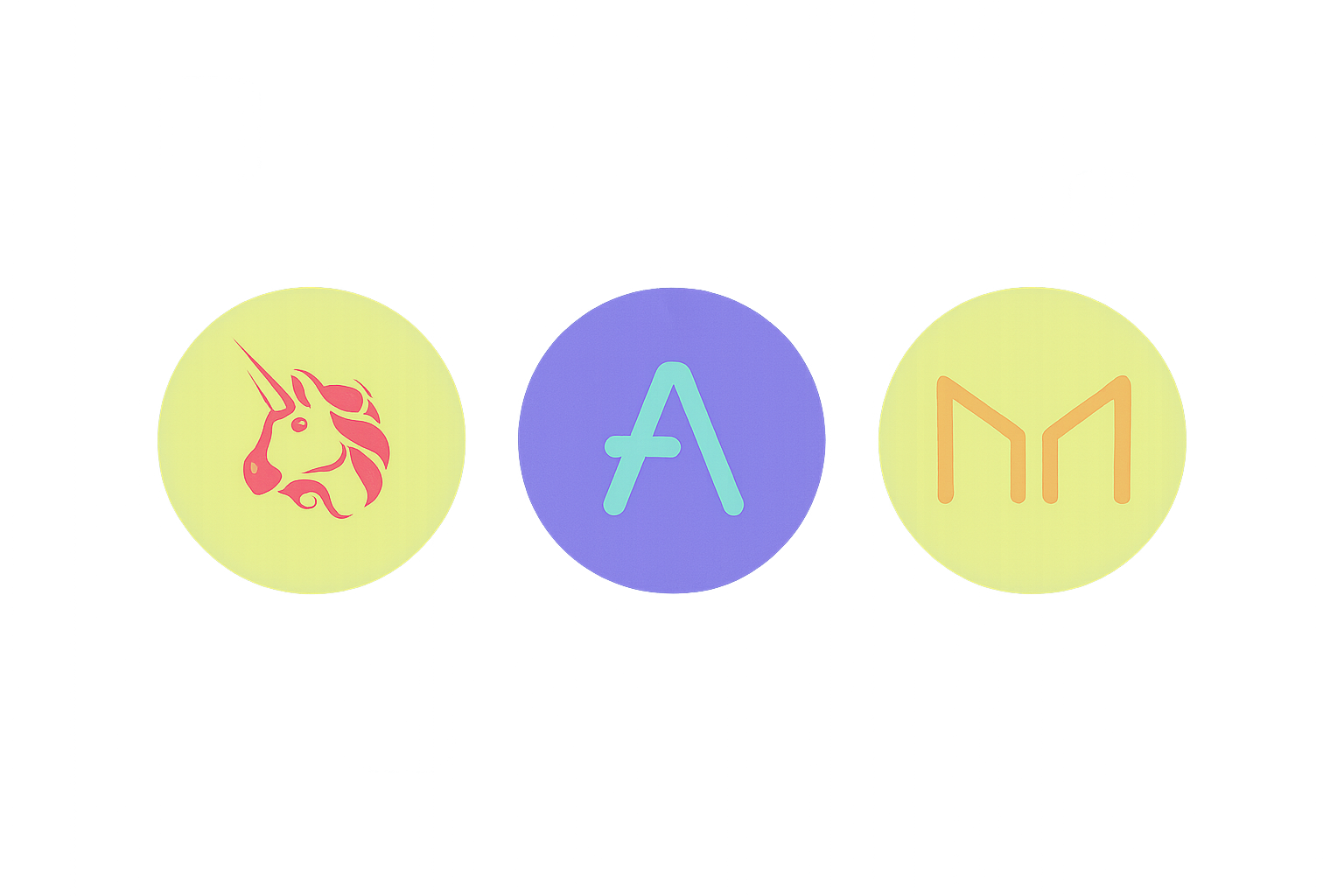
Uniswap, Aave, and MakerDAO are notable projects that successfully utilize governance tokens. They enable community participation in protocol management, policy setting, and upgrades, creating significant value for users.

Secure Blockchain Identity Verification: A Human-Centric Approach

Web2 vs. Web3: Key Differences Explained

How Active is Polkadot's Community and Ecosystem in 2025?

Exploring Consortium Blockchains for Enterprise Solutions
Understanding Governance Tokens: A Comprehensive Guide

Understanding DeFi Insurance: A Comprehensive Guide to Decentralized Coverage Solutions
How Does Federal Reserve Policy Impact Crypto Prices and Market Volatility

What are the biggest cryptocurrency smart contract vulnerabilities and exchange hacking risks in 2026?

What do crypto derivatives market signals reveal about future price movements: futures open interest, funding rates, and liquidation data analysis

What is the core logic of the project's whitepaper and how does its technical innovation impact future adoption?
How to measure crypto community and ecosystem activity by social followers and developer contributions