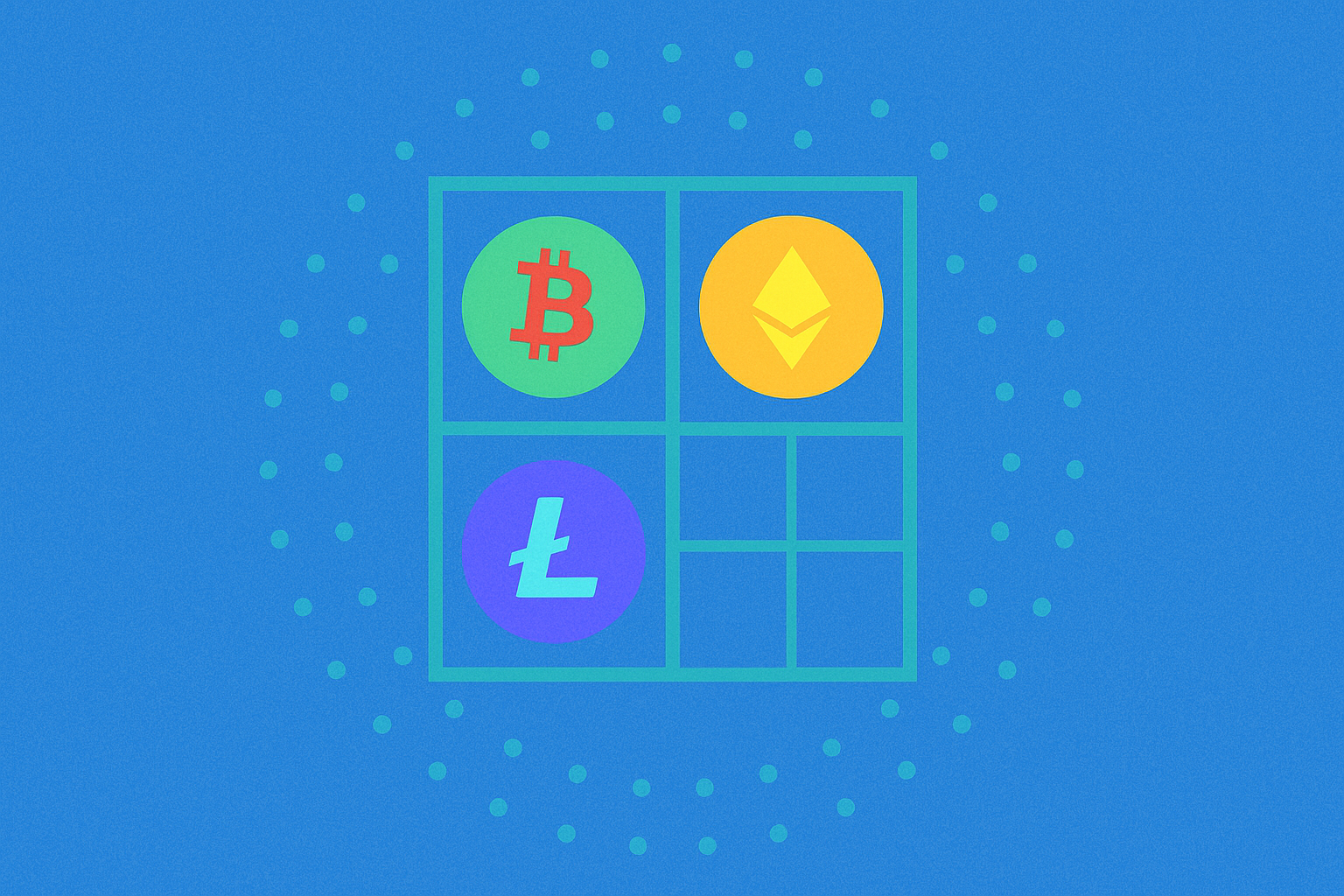
What is a Token Contract Address?


Concept Introduction
A token contract address is a unique identifier assigned to smart contracts on the blockchain that issue and manage tokens. Think of it as a digital fingerprint or a permanent postal address for a specific smart contract—just as a home address helps locate a physical residence, a token contract address enables users to locate and interact with a particular token's smart contract on the blockchain network.
This address serves as the fundamental gateway for all transactions involving tokens. Whether you're transferring tokens to another wallet, receiving tokens from a decentralized exchange, or verifying token ownership, every operation routes through this unique identifier. Smart contracts, which are self-executing contracts with terms directly written into code, play a central role in decentralized finance (DeFi) and other blockchain applications. Each contract that initiates token creation and management requires a distinct address on the network to identify and execute transactions related to those tokens.
For example, when you add a new token to your cryptocurrency wallet, you typically need to input the token contract address. This ensures your wallet can accurately display your token balance and facilitate transactions. Without this address, the blockchain network would have no way to distinguish between different tokens or execute operations correctly.
Historical Background or Origin
Token contract addresses became relevant with the advent of blockchain platforms like Ethereum, which revolutionized how digital assets could be created and managed. Prior to Ethereum's launch in 2015, creating a new cryptocurrency required building an entirely new blockchain from scratch—a complex and resource-intensive process.
Ethereum's introduction of the ERC-20 standard in 2015 fundamentally changed this landscape. The ERC-20 (Ethereum Request for Comments 20) standard established a common set of rules and functions that all tokens on the Ethereum network could follow. This standardization allowed different projects to create and deploy their tokens efficiently, using smart contracts to define the token's properties, transaction rules, and operational parameters.
The ERC-20 standard laid the groundwork by introducing a systematic template to deploy and manage tokens via smart contracts. It streamlined the token creation process, ensuring compatibility and security across the Ethereum network. In this evolving landscape, the token contract address emerged as a necessary component, uniquely identifying each contract and enabling users to interact with it seamlessly across various platforms and applications.
Over the years, this concept has expanded beyond Ethereum to other blockchain platforms, each adopting similar standards for token contract addresses. This widespread adoption has contributed to the explosive growth of decentralized applications and the broader cryptocurrency ecosystem.
Working Mechanism
A token contract address acts as a conduit through which smart contracts operate and enforce the rules governing a token. Understanding this mechanism is crucial for anyone working with blockchain technology. Here's how the process unfolds in detail:
Deployment Process
When a developer or project launches a smart contract on a blockchain platform like Ethereum, the network assigns it a unique address during the deployment transaction. This address is the token contract address—a hexadecimal string typically 42 characters long (for Ethereum), beginning with "0x". This address is permanently recorded on the blockchain and cannot be changed once deployed.
User Interaction
Users interact with the token contract using this address as a reference point. Whether it's transferring tokens between wallets, checking token balances, approving spending limits, or executing complex operations like staking or liquidity provision, everything routes through this central identifier. For instance, when you send tokens to another user, your wallet application uses the token contract address to call the appropriate function in the smart contract, which then updates the blockchain ledger to reflect the transfer.
Authentication and Control
Similar to a lock-and-key setup, controlling a token contract requires holding the private key associated with the contract's deployment address. This ensures that only authorized parties can modify contract parameters or execute privileged functions. However, standard token operations like transfers can be performed by any user who holds the tokens, as these functions are publicly accessible through the contract address.
Transparency and Visibility
This address is publicly viewable on the blockchain, ensuring complete transparency in all interactions. Anyone can look up the address using a blockchain explorer to verify token details, transaction histories, total supply, holder distributions, and ownership records. This transparency is fundamental to blockchain's trustless nature—users don't need to trust a central authority because they can independently verify all information.
Cross-Platform Compatibility
Token contract addresses encourage interoperability across decentralized applications (dApps), cryptocurrency exchanges, and wallet services. This standardization makes the blockchain environment more user-friendly and cohesive, allowing tokens to move seamlessly between different platforms without compatibility issues.
Benefits or Advantages
The use of token contract addresses comes with several significant advantages that have accelerated blockchain adoption across various sectors:
Enhanced Security
Every action taken through a token contract address is logged and verified against the blockchain's immutable ledger. This creates an auditable trail that ensures transparency and security, effectively minimizing fraud and unauthorized transactions. If suspicious activity occurs, it can be traced back through the blockchain's public record.
True Decentralization
By enabling anyone to interact with a smart contract from anywhere in the world without intermediaries, these addresses embody the core principle of blockchain decentralization. Users maintain direct control over their assets without relying on banks, payment processors, or other centralized authorities.
Verification and Trust
Token contract addresses provide a reliable method to verify token authenticity, alleviating risks of counterfeit tokens—a growing concern within burgeoning blockchain environments. Users can examine the contract code, verify its deployment history, and confirm they're interacting with legitimate tokens rather than scam copies.
Industry Standardization
As demonstrated by the ERC-20 standard and similar frameworks on other blockchains, token contract addresses help maintain a consistent interaction model across dApps and blockchain networks. This standardization reduces development complexity and improves user experience, as wallets and applications can support thousands of different tokens using the same underlying interface.
Fostering Innovation
By simplifying token creation and deployment, token contract addresses lower the barrier to entry for developers and entrepreneurs. This democratization of token creation has fostered tremendous innovation, allowing developers to focus on building creative solutions and novel use cases without wrestling with complex infrastructure challenges. From governance tokens to utility tokens and NFTs, the possibilities continue to expand.
Cost Efficiency
Compared to traditional financial systems that require extensive infrastructure and intermediaries, token contract addresses enable peer-to-peer transactions with minimal overhead. This efficiency translates to lower costs for users and broader accessibility to financial services.
Conclusion or Future Outlook
As the blockchain universe continues to mature and expand into mainstream adoption, the role of token contract addresses will only grow in significance. They provide an indispensable foundation upon which secure, efficient, and transparent ecosystems can be built, serving as the backbone of decentralized finance, non-fungible tokens, and emerging Web3 applications.
Looking ahead, we can anticipate several developments in this space. Improved standards for token contracts may emerge, offering more flexible interfaces, enhanced security features, and better user experiences. Cross-chain compatibility solutions are already being developed to enable token contract addresses to function seamlessly across different blockchain networks, breaking down the current silos between ecosystems.
Additionally, as regulatory frameworks for digital assets evolve, token contract addresses may incorporate compliance features while maintaining the core principles of decentralization and transparency. This could include built-in mechanisms for identity verification, transaction monitoring, and regulatory reporting without compromising user privacy.
For anyone entering the blockchain space—whether as a developer building decentralized applications, an investor exploring digital assets, or an entrepreneur venturing into decentralized finance—a comprehensive understanding of token contract addresses isn't just recommended, it's essential. These addresses are the keys to navigating secure, innovative endeavors in the digital asset landscape.
The technology, while still evolving, shows no sign of declining in relevance. Instead, it promises unprecedented opportunities in the realm of digital assets, programmable money, and decentralized governance. By investing time and effort to understand token contract addresses now, you're essentially preparing for a digital financial revolution that is already underway. The future belongs to those who can proficiently navigate these fundamental blockchain concepts and leverage them to create value in an increasingly decentralized world.
FAQ
What is a Token Contract Address? How does it differ from a wallet address?
A token contract address is the unique identifier for a smart contract that defines a specific token on a blockchain. A wallet address is where you hold and manage your tokens. Simply put, the contract address identifies what token is, while your wallet address identifies where your tokens are stored.
How to query and verify a token's contract address?
Visit the official project website or blockchain explorer. Search the token name or symbol on the explorer to find its verified contract address. Confirm it matches the official source to avoid scams.
What is the function of a token contract address? Why is it needed?
A token contract address is a unique identifier on the blockchain that specifies the smart contract governing a token. It enables users to verify token authenticity, track transactions, and interact with the token on the blockchain. It's essential for secure trading and preventing fraud.
Will the same Token have the same contract address on different blockchain networks?
No. Each blockchain network has its own unique contract address for the same token. For example, USDT on Ethereum, Polygon, and BSC all have different contract addresses. Always verify the correct address for your target network.
How to identify if a token contract address is real and valid?
Verify on blockchain explorers like Etherscan by checking contract creation, transaction history, and holder distribution. Confirm the address matches official sources, review code transparency, and analyze trading volume to assess legitimacy.
Why is it important to confirm the correct contract address when trading or swapping tokens?
Confirming the correct contract address prevents sending funds to fraudulent tokens or scam contracts. An incorrect address could result in permanent loss of your assets, as blockchain transactions are irreversible. Always verify the official contract address from trusted sources before any transaction.
Mastering Etherscan: A Comprehensive Guide

Understanding the ERC-20 Token Standard in Ethereum
Understanding ERC20 Address: A Complete Guide

Comprehensive Guide to ERC20 Token Standards

Effortless Cross-Chain Transactions with Polygon Solutions
Understanding the Basics of Smart Contracts

Understanding Algorand's Price Dynamics
What is a token economics model and how do distribution, inflation, and governance mechanisms work in crypto

Where is Gary Wang Now: Insights into His Crypto Journey
What is a token economics model and how do tokenomics allocation, inflation mechanisms, and governance rights work in crypto projects

What is a crypto token economic model and how does token distribution, inflation mechanics, and governance affect coin value