


What is SHIB fundamental analysis: how does Shibarium Layer-2 and 590 trillion token burn mechanism drive value beyond meme coin speculation?

Whitepaper Evolution: How SHIB Transformed from Meme Coin to Multi-Token Ecosystem with Shibarium Layer-2
When the Shiba Inu whitepaper launched in 2020, it introduced a decentralized token inspired by community enthusiasm. However, the initial concept represented just the foundation of what would become a sophisticated multi-token ecosystem. The critical transformation occurred in 2023 with the introduction of Shibarium, a Layer-2 scaling solution that fundamentally redefined SHIB's technical capabilities and utility proposition.
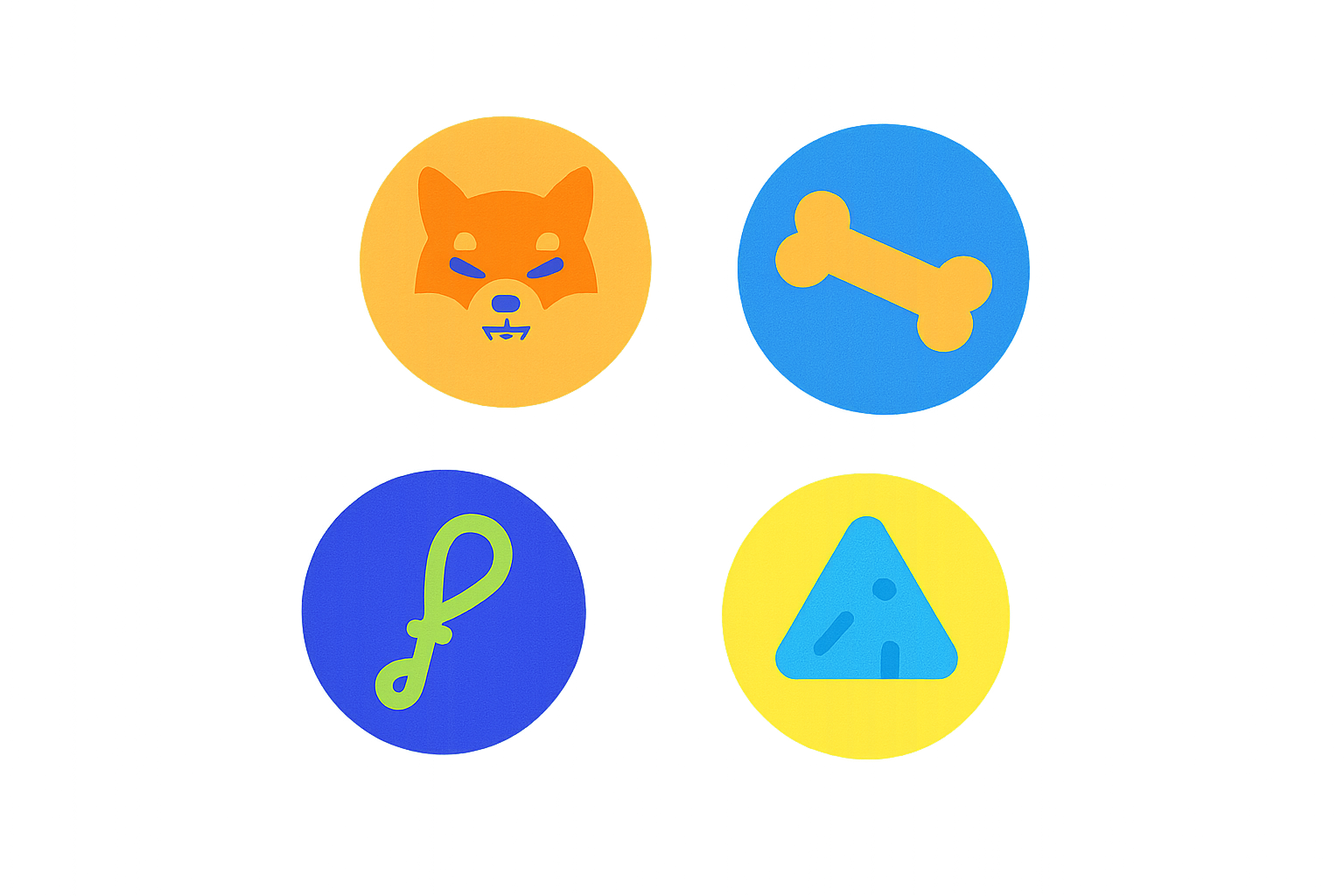
The modern Shiba Inu ecosystem now incorporates four primary tokens, each serving distinct purposes within the decentralized structure. SHIB functions as the core currency, enabling transactions across the ecosystem. BONE serves as the governance token, granting holders voting rights over protocol decisions affecting the network's development. LEASH operates as the original reward token, bestowing exclusive access and benefits to early ecosystem participants. Most recently, TREAT was launched as the transactional rewards token, unlocking governance capabilities and access to premium ecosystem features.
Shibarium's architecture employs Delegated Proof-of-Stake consensus, enabling validators and delegators to secure the network through token staking. This Layer-2 implementation dramatically reduces transaction costs compared to Ethereum mainnet, facilitating cost-effective dApp development and user adoption. The network now operates across 14 blockchain platforms, including Ethereum, Base, and BNB Smart Chain, providing multichain flexibility for traders and developers.
This evolution from a single-token meme phenomenon to a layered ecosystem with governance mechanisms, reward structures, and scalable infrastructure demonstrates purposeful architecture. The whitepaper progression reflects a community-driven project expanding its technical foundation to support genuine utility, moving beyond speculative trading toward sustainable decentralized applications and user engagement.
Deflationary Mechanics in Action: 590 Trillion Token Supply Reduced Through Aggressive 10,728% Burn Rate and 4,000% Shibarium User Growth
The opening days of 2026 witnessed a transformative moment for Shiba Inu's ecosystem when its deflationary mechanics activated at unprecedented scale. On New Year's Day, the burn rate surged 10,728% within a single 24-hour period, demonstrating growing holder engagement with SHIB's supply reduction strategy. This aggressive token burn activity removed 590 trillion tokens from the ecosystem, bringing the circulating supply to approximately 585.29 trillion tokens as tracked by Shibburn data.
What distinguishes this deflationary event from typical market speculation is its correlation with tangible ecosystem development. While the burn spike originated partly from whale transactions, the concurrent 4,000% surge in Shibarium user growth reveals genuine adoption momentum on the Layer-2 network. This synchronization between token scarcity mechanics and network expansion indicates that SHIB's value proposition extends beyond sentiment-driven trading.
The significance lies in how these deflationary mechanics interact with network fundamentals. As the circulating supply contracts through consistent burning, reduced token availability creates inherent scarcity while Shibarium's expanding user base provides utility-driven demand. This dual mechanism—supply reduction paired with growing ecosystem utility—suggests SHIB's price dynamics increasingly reflect fundamental economics rather than meme coin volatility. The 585.29 trillion remaining token supply now represents a materially different competitive position than before this burn cycle, establishing quantifiable progress toward sustainable value creation within the Shiba Inu ecosystem.
Community-Driven Development: From Anonymous Founder Ryoshi to Decentralized Governance via ShibaSwap, NFTs, and Metaverse Integration
Shiba Inu's foundation rests on Ryoshi's visionary approach to decentralized tokenomics, establishing a model where community participation drives project direction rather than centralized authority. Ryoshi's anonymity paradoxically strengthened community ownership, as stakeholders couldn't rely on a founder figure but instead built grassroots initiatives through collective decision-making. ShibaSwap emerged as the cornerstone of this decentralized governance structure, enabling SHIB holders to participate directly in ecosystem decisions through staking and community voting mechanisms. This platform transformed passive token holders into active stakeholders shaping development priorities.
Beyond governance, the ecosystem expanded through strategic NFT initiatives and metaverse integration, diversifying SHIB's utility beyond a speculative asset. These expansions attracted developers and creators, generating authentic use cases within gaming and digital communities. Community-driven development accelerated through organized hackathons and developer discussions, channeling technical talent toward building rather than speculation. The developers' commitment to achieving full decentralization and transferring control to the community by year-end 2024 represents a watershed moment in blockchain governance, positioning SHIB as a genuinely community-governed ecosystem rather than a managed enterprise.
Speculation vs. Fundamentals: $150 Billion Shibarium Transaction Volume Masks Low TVL and Ecosystem Adoption Challenges
The $150 billion in Shibarium transaction volume presents a compelling headline that often overshadows a more nuanced reality about the Layer-2 network's fundamental health. While blockchain analytics platforms report substantial throughput, with 1.5 billion transactions processed by approximately 294,000 accounts, these figures capture activity volume rather than genuine ecosystem value creation. This distinction proves critical when evaluating whether Shibarium represents sustainable growth or concentrated speculation masking underlying adoption challenges. Transaction volume alone fails to indicate locked capital, sustained developer interest, or economic utility driving long-term value creation within the network.
The TVL metrics reveal the Shibarium ecosystem's constraints more starkly than headline transaction numbers. Despite Layer-2 networks experiencing a collective 50% surge in active addresses and 48% improvement in user retention throughout 2025, Shibarium's total value locked remains disproportionately low relative to its transaction throughput. This paradox suggests that while traders move capital across the network, the ecosystem lacks sufficient liquidity pools, yield opportunities, and decentralized applications capturing meaningful economic activity. The disparity between transaction volume and TVL indicates that Shibarium continues operating as an early-stage infrastructure layer rather than an established financial hub attracting institutional capital and organic developer adoption necessary for sustainable ecosystem expansion.
FAQ
What is Shibarium and how does it function as a Layer-2 solution for SHIB?
Shibarium is a Layer-2 solution that processes SHIB transactions off the Ethereum main chain, reducing congestion and fees. It enhances scalability, improves transaction efficiency, and expands DeFi accessibility for the Shiba Inu ecosystem.
How does the 590 trillion token burn mechanism work and what is its impact on SHIB's tokenomics?
The 590 trillion token burn permanently removes SHIB from circulation by sending tokens to inaccessible wallets, reducing total supply and enhancing scarcity. This deflationary mechanism strengthens tokenomics by decreasing token availability, potentially supporting long-term value appreciation.
What are the fundamental differences between SHIB and other Layer-2 projects in terms of value proposition?
SHIB combines deflationary tokenomics with Shibarium Layer-2 scalability, offering high transaction throughput and ecosystem growth. Unlike standard Layer-2 projects, SHIB's value derives from active token burns, community strength, and integrated DeFi utility.
How does Shibarium's ecosystem development drive real utility beyond meme coin speculation?
Shibarium Layer-2 blockchain enables low-cost transactions with integrated token burning, creating automatic supply reduction. The ecosystem includes ShibaSwap DEX, NFT collections, gaming, and metaverse applications, generating multiple revenue streams and driving long-term value appreciation beyond speculation.
What is the current burn rate and how does it affect SHIB's long-term supply dynamics?
SHIB's burn mechanism continuously reduces circulating supply, creating deflationary pressure. As tokens are permanently removed from circulation, the scarcity increases, potentially driving long-term value appreciation and strengthening fundamental economics beyond speculative trading.
How does SHIB's Layer-2 technology compare to Ethereum scaling solutions like Arbitrum or Optimism?
Shibarium offers lower costs and faster transactions than Ethereum mainnet. Unlike Arbitrum and Optimism's optimistic rollups, Shibarium employs different technical architecture. Both solutions aim for scalability, but Arbitrum and Optimism have more established ecosystems and developer adoption currently.
What are the main use cases and adoption metrics for Shibarium as of now?
Shibarium enables decentralized applications and smart contracts with over 1 billion transactions processed and 11 million blocks created. Primary use cases include DeFi protocols, NFT minting, and token transfers, driving increased developer adoption and ecosystem expansion.
What are the risks and challenges facing SHIB's transition from meme coin to utility-driven asset?
Main challenges include: maintaining community engagement during transition, achieving sustainable ecosystem adoption beyond speculation, competing with established Layer-2 solutions, ensuring token burn mechanisms remain effective as ecosystem scales, and managing market volatility tied to sentiment shifts rather than fundamental metrics.
How does the Shiba Inu ecosystem (including BONE and LEASH tokens) contribute to SHIB's fundamental value?
BONE and LEASH tokens provide governance and utility within the Shiba ecosystem. Shibarium Layer 2 enhances scalability and transaction efficiency. Together, these elements drive adoption beyond speculation, creating sustainable value through reduced fees and increased utility.
What metrics should investors use to evaluate SHIB's fundamental health beyond price speculation?
Investors should monitor transaction volume, active wallet addresses, community engagement, Shibarium Layer-2 adoption rates, token burn velocity, and developer activity. These metrics indicate ecosystem growth and sustainable value creation beyond speculation.

Mastering ShibaSwap: A Comprehensive Tutorial
What is Shiba Inu (SHIB)? How to Buy, Price Predictions, and Everything Beginners Should Know
What is Shiba Inu (SHIB)? How to Buy, Price Predictions, and Everything Beginners Should Know

What is a token economic model? Complete guide to distribution mechanisms, inflation design, and governance utility

What Is Shiba Inu (SHIB): A Comprehensive Guide to the Cryptocurrency and Its Ecosystem
What Is Shiba Inu (SHIB)? How to Buy, Price Predictions, and Everything Beginners Need to Know

What is BULLA coin: analyzing whitepaper logic, use cases, and team fundamentals in 2026

What is on-chain data analysis and how does it reveal whale movements and active addresses in crypto?

What is Vodra (VDR) crypto: whitepaper logic, use cases, and fundamentals analysis for 2026

How do cryptocurrency competitors compare in market share, performance, and user adoption in 2026?

What is on-chain data analysis and how does it predict crypto market trends
