

LCP_hide_placeholder
fomox
MarketsPerpsSpotSwapMeme Referral
More
Smart Money Recruitment
Search Token/Wallet
/

When Altcoin Season Start: Key Signals & Market Insights

2026-01-21 13:33:56
Altcoins
Bitcoin
Crypto Insights
Ethereum
Layer 2
Article Rating : 3.5
half-star
28 ratings
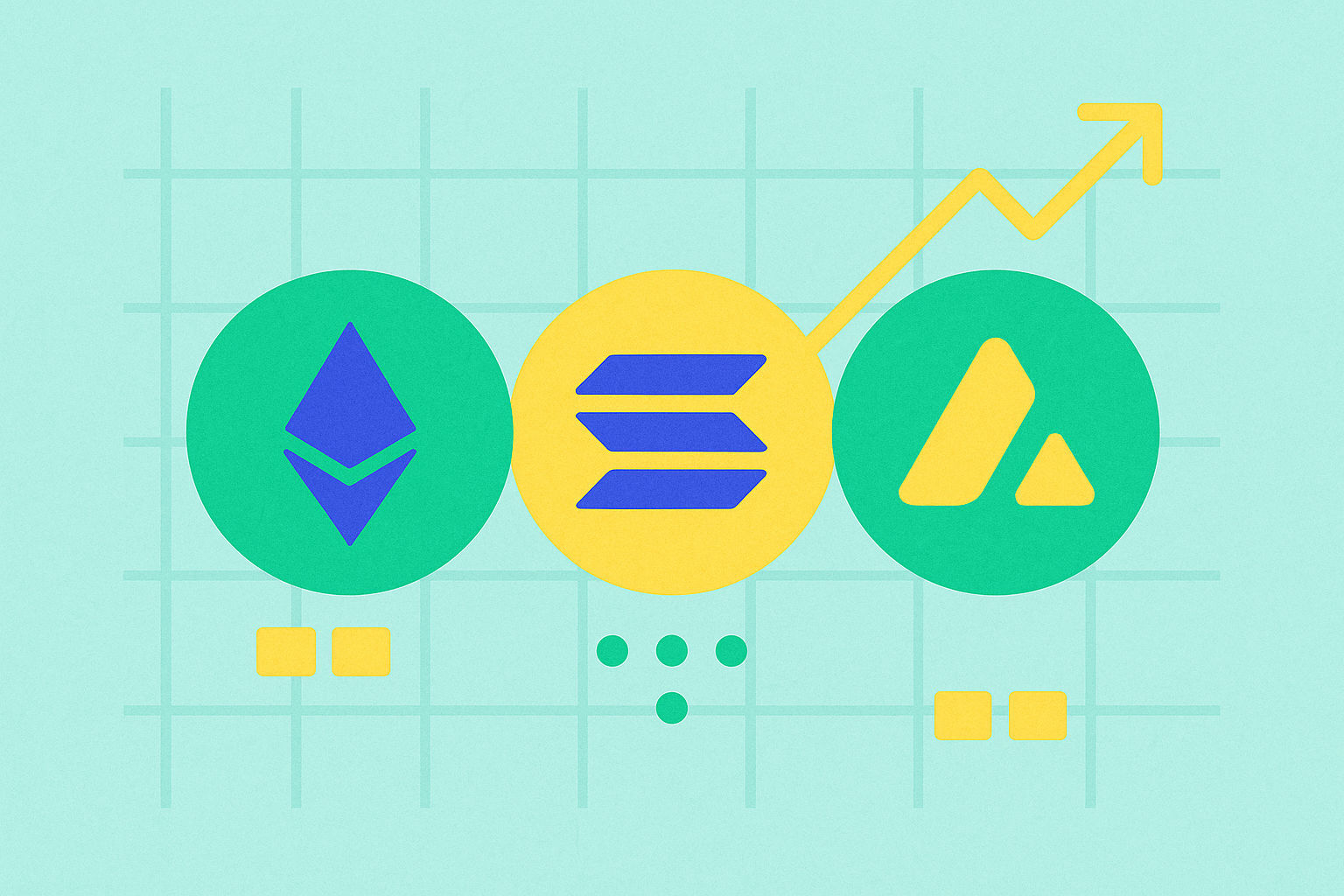
This guide explores when altcoin season will emerge in 2024 by analyzing critical market indicators and trends. Altcoin season typically begins when Bitcoin dominance drops below the 50% threshold, signaling capital rotation from Bitcoin into alternative cryptocurrencies like Ethereum, Solana, and Avalanche. Key signals include trading volume surges of up to 28%, on-chain growth metrics showing 15% wallet increases, and institutional adoption through new ETFs and regulatory clarity. Recent technological improvements—including Ethereum's Dencun upgrade reducing transaction fees by 20% and Layer 2 TVL expansion of 30%—create favorable conditions for altcoin appreciation. The article provides essential risk management strategies, emphasizing the importance of using reputable exchanges like Gate, implementing secure storage, diversifying quality projects, and avoiding FOMO-driven decisions. Success requires continuous monitoring of market cycles, project fundamentals, and macroeconomic factors rather than relying
When Altcoin Season Start: Key Signals & Market Insights

Altcoin season is typically triggered by significant shifts in market sentiment and liquidity flows across the cryptocurrency ecosystem. In recent market cycles, Bitcoin's dominance has fluctuated around the 52% mark, while the total altcoin market capitalization has reached approximately $1.1 trillion, according to data from CoinGecko. This dynamic reflects the ongoing competition between Bitcoin and alternative cryptocurrencies for investor capital and market attention.

Historically, altcoin season begins when Bitcoin's dominance drops below the critical 50% threshold, signaling a rotation of capital from Bitcoin into alternative coins. This shift often indicates that investors are seeking higher-risk, higher-reward opportunities in the altcoin market. The psychological and technical significance of this 50% level cannot be overstated, as it represents a tipping point where market participants begin to diversify their portfolios more aggressively.

On-chain data from Glassnode shows a steady and sustained increase in daily active addresses for leading altcoins such as Ethereum, Solana, and Avalanche. This uptick in user activity is a strong leading indicator that often precedes significant price rallies, as more participants actively engage with decentralized applications, DeFi protocols, and NFT platforms. The growth in active addresses suggests not just speculative interest, but genuine utility and adoption of these blockchain networks.

Furthermore, the expansion of the altcoin ecosystem has been supported by technological innovations, including improved scalability solutions, enhanced security protocols, and more user-friendly interfaces. These developments have lowered barriers to entry for new users and have made it easier for existing participants to interact with multiple blockchain networks simultaneously.

Key Signals to Watch for Altcoin Season

Several key indicators can help investors and traders anticipate the onset of altcoin season. Understanding these signals is crucial for making informed decisions and positioning portfolios strategically:

  • Bitcoin Dominance Index: A sustained drop below 50% is considered the classic and most reliable signal. When Bitcoin's share of the total cryptocurrency market cap falls below this threshold, it typically indicates that capital is flowing out of Bitcoin and into alternative cryptocurrencies. This shift often marks the beginning of a broader altcoin rally.

  • Trading Volume Surge: In recent periods, altcoin trading volumes on major cryptocurrency exchanges have shown significant increases. For example, leading platforms have reported month-over-month volume increases of up to 28%. This surge in trading activity reflects heightened interest and participation in the altcoin market, which often precedes price appreciation.

  • On-Chain Growth Metrics: Wallet creation rates and active address counts for major altcoins have demonstrated robust growth, with increases of approximately 15% over recent months according to Dune Analytics. This growth in fundamental network usage is a strong indicator of organic adoption and genuine user interest, rather than purely speculative activity.

  • Institutional Adoption: The launch of new cryptocurrency exchange-traded funds (ETFs) and increased regulatory clarity in major markets such as the United States and Asia have contributed significantly to renewed institutional interest in altcoins. Reports from Bloomberg indicate that institutional capital flows into altcoins have accelerated as regulatory frameworks become more defined and predictable.

It is important to emphasize that altcoin season does not follow a fixed calendar schedule. Instead, it is driven by a complex interplay of market cycles, technological innovation, macroeconomic factors, and investor sentiment. Successful navigation of altcoin season requires continuous monitoring of these multiple factors and a willingness to adapt strategies as conditions evolve.

Recent Developments and On-Chain Insights

Several significant developments in recent periods have shaped the outlook for altcoin season and provided important context for understanding current market dynamics:

  • Ethereum's Major Upgrades: The successful implementation of significant protocol upgrades, such as the Dencun upgrade, has substantially reduced transaction fees and improved network scalability. These improvements have led to approximately 20% increases in daily transaction volumes, according to the Ethereum Foundation. Lower fees have made Ethereum-based applications more accessible to a broader user base, driving increased adoption of DeFi protocols and NFT platforms.

  • Layer 2 Expansion: Rollup solutions and sidechain technologies have experienced remarkable growth, with total value locked (TVL) in Layer 2 networks rising by approximately 30% in recent quarters, as reported by L2Beat. This expansion reflects the cryptocurrency ecosystem's successful efforts to address scalability challenges and provide users with faster, cheaper transaction options while maintaining security guarantees from underlying Layer 1 blockchains.

  • Security Improvements: The absence of major hacks or exploits in top altcoin protocols during recent quarters has significantly boosted user confidence and institutional willingness to allocate capital to the space. According to Chainalysis, the improved security posture of leading altcoin projects reflects maturation of the industry and better implementation of security best practices, including multi-signature wallets, formal verification of smart contracts, and comprehensive audit processes.

  • Cross-Chain Infrastructure: The development of improved cross-chain bridges and interoperability protocols has made it easier for users to move assets between different blockchain networks. This enhanced connectivity has reduced friction in the altcoin ecosystem and enabled more sophisticated trading and investment strategies.

These positive trends collectively suggest that the infrastructure and user base necessary for a sustained altcoin season are being established. The combination of technological improvements, growing user activity, and enhanced security creates a favorable environment for altcoin appreciation, though timing remains dependent on broader market conditions and Bitcoin's price trajectory.

Common Misconceptions and Risk Management

Many newcomers to the cryptocurrency space hold misconceptions about altcoin season that can lead to poor investment decisions and unnecessary losses. It is crucial to approach altcoin investing with realistic expectations and robust risk management strategies:

A common misconception is that altcoin season guarantees quick and easy profits for all participants. In reality, while some altcoins may experience dramatic price increases during these periods, others may underperform or even decline in value. The cryptocurrency market remains highly volatile, and individual project fundamentals, team execution, and market timing all play critical roles in determining outcomes.

Not all altcoins will perform equally during altcoin season. Success requires careful research, diversification, and a clear understanding of each project's value proposition, competitive advantages, and potential risks. Investors should focus on projects with strong fundamentals, active development teams, genuine use cases, and growing user bases rather than chasing hype-driven price movements.

To navigate altcoin season successfully, investors should always:

  • Use Reputable Exchanges: Conduct trading and portfolio management activities on well-established, secure platforms with strong track records and regulatory compliance. Major cryptocurrency exchanges offer better liquidity, security features, and customer support compared to smaller or newer platforms.

  • Implement Secure Storage: Store digital assets securely using hardware wallets or other cold storage solutions to minimize the risk of theft or loss. Never leave significant amounts of cryptocurrency on exchanges for extended periods, as exchange hacks remain a persistent risk in the industry.

  • Stay Informed: Continuously monitor project fundamentals, development progress, and market conditions. Avoid making investment decisions based solely on social media hype, influencer recommendations, or fear of missing out (FOMO). Conduct independent research and verify information from multiple credible sources.

  • Practice Position Sizing: Never invest more than you can afford to lose, and maintain appropriate position sizes relative to your overall portfolio. Diversification across multiple quality projects can help manage risk while maintaining exposure to potential upside.

  • Set Clear Goals: Establish clear investment goals, entry and exit strategies, and risk tolerance levels before entering positions. Having a predetermined plan helps prevent emotional decision-making during periods of high volatility.

Understanding these risks and using reliable platforms and strategies can help you navigate the altcoin market more confidently and increase your chances of achieving positive long-term outcomes. Remember that successful cryptocurrency investing requires patience, discipline, and continuous learning as the ecosystem evolves.

FAQ

What is Altcoin Season and how does it differ from Bitcoin dominance?

Altcoin Season occurs when alternative cryptocurrencies outperform Bitcoin, gaining market share and trading volume. Bitcoin dominance measures Bitcoin's percentage of total crypto market cap. When dominance falls, altcoins rise, marking the seasonal shift toward broader market participation and investment diversification.

What are the key technical indicators that signal the start of Altcoin Season?

Key indicators include Bitcoin dominance falling below 50%, altcoin trading volume surging, RSI breaking overbought levels, and altcoins breaking above major resistance. Rising altcoin market cap and strengthening momentum across mid-cap coins signal season initiation.

How do market cycles and Bitcoin price movements trigger Altcoin Season?

Bitcoin dominance decline signals Altcoin Season onset. When BTC consolidates after rallies, capital flows to alternative coins. Rising BTC volatility and increased market trading volume typically precede altcoin surges, as investor risk appetite expands beyond Bitcoin.

Which altcoins typically perform best during Altcoin Season and why?

Layer-2 solutions, DeFi tokens, and emerging blockchain projects typically outperform during Altcoin Season. They attract capital seeking higher returns due to lower market caps, increased retail interest, and network growth catalysts. Strong community, technological innovation, and trading volume momentum drive their exceptional gains.

What are the warning signs that Altcoin Season is ending?

Key warning signs include Bitcoin dominance rising sharply, altcoin trading volume declining, retail interest fading, and smaller altcoins underperforming. When profits shift back to Bitcoin and sentiment turns bearish on alternative coins, altseason typically concludes.

How can investors identify early signals of Altcoin Season to maximize gains?

Monitor Bitcoin dominance decline, rising altcoin trading volume, increased social media mentions, and Bitcoin outperformance stalling. Watch for institutional interest shifts and growing retail participation in smaller-cap tokens. Early movers typically see highest gains.

What is the relationship between Bitcoin dominance and Altcoin Season timing?

Bitcoin dominance inversely correlates with altcoin season timing. When BTC dominance decreases below 50%, capital typically flows to altcoins, triggering altcoin season. High dominance signals BTC strength and reduced altcoin opportunities.

What are the risks and potential losses during Altcoin Season?

Altcoin season carries volatility risk, liquidity concerns, and potential 50-90% losses from price crashes. Rug pulls, project failures, and rapid market reversals can eliminate investments. Leverage trading amplifies losses. Timing entry and exit points wrongly results in significant losses. Diversification and position sizing are critical for risk management.
* The information is not intended to be and does not constitute financial advice or any other recommendation of any sort offered or endorsed by Gate.

Share

Content

Key Signals to Watch for Altcoin Season

Recent Developments and On-Chain Insights

Common Misconceptions and Risk Management

FAQ

Related Articles
How does SUI price volatility compare to Bitcoin and Ethereum in 2026?
How does SUI price volatility compare to Bitcoin and Ethereum in 2026?

# Article Overview: SUI Price Volatility vs Bitcoin and Ethereum in 2026 This comprehensive analysis examines SUI's price volatility profile compared to Bitcoin and Ethereum throughout 2026, revealing SUI's emerging stability as institutional adoption accelerates. The article addresses investor concerns about comparative risk levels, price prediction accuracy, and optimal trading strategies across Layer 1 blockchains. Structured in four key sections, it progresses from current price action and technical levels, through correlation analysis, to 2026 price trajectory forecasts. Readers will discover why SUI's contained volatility (demonstrated by its -0.83% movement despite a $78.9M token unlock) positions it as a resilient alternative to Bitcoin and Ethereum's extreme swings, supported by institutional catalysts like Bitwise's ETF filing on Gate and growing DeFi ecosystem expansion targeting the $10 price milestone.
2026-01-01 03:48:39
How Do Leading Cryptocurrencies Compare in 2025: Market Share, Performance, and Key Differences
How Do Leading Cryptocurrencies Compare in 2025: Market Share, Performance, and Key Differences

# Article Overview **How Do Leading Cryptocurrencies Compare in 2025: Market Share, Performance, and Key Differences** This comprehensive guide examines Bitcoin and Ethereum's market dominance, commanding over 50% combined cryptocurrency market share in 2025. The article compares critical performance metrics—transaction speed, gas fees, and network security—across major digital assets, helping investors and developers evaluate blockchain platforms objectively. It explores differentiation strategies that drive competitive advantages through real-world utility and ecosystem integration rather than speculation. Designed for traders, developers, and cryptocurrency enthusiasts, this analysis provides actionable insights for selecting cryptocurrencies aligned with specific use cases. The guide concludes with FAQs addressing 2025 cryptocurrency trends, top assets, valuations, and technical distinctions between leading blockchain networks on Gate.
2025-12-28 03:16:47
How Does Cryptocurrency Competitive Landscape Compare in 2025: Market Share, Performance, and Key Advantages
How Does Cryptocurrency Competitive Landscape Compare in 2025: Market Share, Performance, and Key Advantages

# How Does Cryptocurrency Competitive Landscape Compare in 2025: Market Share, Performance, and Key Advantages This comprehensive analysis examines the 2025 cryptocurrency competitive landscape, where Bitcoin, Ethereum, BNB, and Solana command over 70% market dominance through established infrastructure and network effects. The article evaluates key differentiators including transaction speed, network security, and developer adoption across leading Layer-1 platforms, while revealing how emerging challengers strategically capture niche segments in DeFi and Web3 infrastructure. Designed for investors and developers, this guide clarifies market concentration dynamics, performance metrics comparison, and valuation trends shaping cryptocurrency competition. Whether trading on Gate or analyzing blockchain ecosystems, readers gain actionable insights into market share distribution, competitive advantages, and emerging opportunities in today's mature crypto market.
2025-12-30 02:47:45
What is the difference between top cryptocurrency competitors: market cap, performance, and user adoption in 2026
What is the difference between top cryptocurrency competitors: market cap, performance, and user adoption in 2026

This article analyzes the competitive landscape of leading cryptocurrencies in 2026, examining market cap dominance, performance metrics, and user adoption trends. Bitcoin commands $2.1 trillion in market cap with 56.79% dominance, while Ethereum holds $850 billion as the second-largest asset. The article compares transaction speeds across top competitors—Solana processes 65,000+ TPS versus Bitcoin's 7 TPS—and highlights energy efficiency advantages of Proof-of-Stake systems. User adoption metrics reveal market share redistribution through active addresses and trading volume analysis. The content identifies three critical differentiation strategies: Layer 2 solutions for scalability, DeFi integration for ecosystem expansion, and regulatory compliance for institutional credibility. Essential reading for investors, traders, and stakeholders evaluating cryptocurrency competitive positioning through 2026.
2026-01-10 04:21:23
What are the key differences between competing cryptocurrencies in market share and performance metrics?
What are the key differences between competing cryptocurrencies in market share and performance metrics?

This article analyzes competitive dynamics among cryptocurrencies by examining market share concentration and performance metrics divergence. Bitcoin dominates with 45% market share while Ethereum holds 18%, reflecting institutional confidence and network maturity. Layer-1 blockchains show dramatic 10-100x variance in transaction throughput and gas fees—Algorand delivers 5,716 peak TPS with $0.0002 fees versus Ethereum's $0.50-$1.00 costs. The article explores how emerging competitors differentiate through scalability, energy efficiency, and ecosystem development. Covering technical architectures, consensus mechanisms, and real-world performance comparisons via Gate trading data, this guide helps investors and developers understand cryptocurrency market positioning and evaluate projects based on substantive technological advantages rather than speculation alone.
2026-01-11 06:45:11
What are the key differences between competing cryptocurrencies in market cap, performance, and user adoption in 2026

What are the key differences between competing cryptocurrencies in market cap, performance, and user adoption in 2026

This comprehensive guide analyzes the competitive landscape of cryptocurrencies in 2026, examining how Bitcoin and Ethereum maintain market leadership with combined valuations exceeding $2 trillion, while emerging altcoins reshape market dynamics. The article explores critical performance differentiators including volatility, ROI, and transaction speed, demonstrating how these metrics directly impact investment decisions and user adoption rates. Network activity and active address growth reveal genuine ecosystem health beyond price metrics, providing investors with transparency on market share shifts. Technological innovation and ecosystem development emerge as primary competitive advantages, with successful cryptocurrencies combining robust blockchain infrastructure with thriving developer communities. Whether you're evaluating investment opportunities or understanding market positioning on Gate and other platforms, this article provides the data-driven insights needed to navigate the evolving 2026 cryptocur
2026-01-20 05:25:46
Recommended for You
What is the Stock Symbol for Project Omega?

What is the Stock Symbol for Project Omega?

Project Omega is a decentralized blockchain platform revolutionizing financial transactions through distributed ledger technology. Rather than operating as a traditional stock-listed company, Project Omega utilizes token-based mechanisms for market participation, trading its tokens on major cryptocurrency exchanges including Gate. This comprehensive guide explores Project Omega's essence, clarifies its tokenomics model, and examines market dynamics that distinguish blockchain assets from conventional equities. Readers will understand token trading mechanics, exchange listings, and governance structures that create unique value propositions for investors. The article also addresses future possibilities for blockchain projects transitioning into traditional financial markets while maintaining decentralization advantages, positioning Project Omega at the intersection of crypto and institutional finance innovation.
2026-01-21 15:19:24
Pi Network Password Recovery: Step-by-Step Guide
Pi Network Password Recovery: Step-by-Step Guide

This comprehensive guide provides Pi Network users with a secure, step-by-step password recovery process across multiple authentication methods including phone SMS, Facebook, and Apple ID. Designed for cryptocurrency security, the guide addresses the critical challenge that blockchain-based platforms cannot easily reset credentials like traditional services. Users will learn to identify their login method, navigate the official recovery workflow, create strong passwords, and implement essential security practices. The guide also covers Web3 wallet integration, SIM card protection against swapping attacks, and how to recognize and avoid recovery scams. By following these proven recovery procedures and maintaining updated backup information through Gate and other verified channels, Pi Network users can confidently regain account access while protecting their digital assets and ensuring long-term security in the decentralized finance ecosystem.
2026-01-21 15:17:36
Best Apps to Mine Bitcoin and Litecoin: Top Picks for Cryptocurrency Enthusiasts
Best Apps to Mine Bitcoin and Litecoin: Top Picks for Cryptocurrency Enthusiasts

This comprehensive guide introduces beginners to Litecoin mining through accessible applications and practical strategies. Learn how cryptocurrency mining secures blockchain networks while generating rewards, then explore top-rated mining apps including MinerGate, Coinomi, and cloud mining platforms that eliminate hardware investment barriers. The article covers essential success strategies: joining mining pools for consistent earnings, staying updated on market trends, managing investment risks, and optimizing hardware performance for maximum efficiency. Whether you prefer traditional mining software, mobile applications, or remote cloud solutions, this guide matches your experience level and resources. Start with small investments, monitor profitability metrics, and scale operations gradually as you gain expertise. Perfect for aspiring miners seeking straightforward entry into Bitcoin and Litecoin mining without overwhelming technical complexity, this guide empowers you to begin earning cryptocurrency rewar
2026-01-21 15:15:19
Crypto Market Liquidations: How Recent Reset Shapes the Future

Crypto Market Liquidations: How Recent Reset Shapes the Future

This comprehensive guide explains cryptocurrency liquidations and their systemic impact on digital asset markets. Liquidations occur when leveraged positions fall below margin requirements, triggering automatic forced selling that cascades through market participants. Recent liquidation events resulted from excessive leverage, insufficient liquidity, and macroeconomic pressures including Federal Reserve policy tightening. The article contrasts institutional risk management strategies with retail trader vulnerabilities, revealing divergent outcomes during market downturns. Capital flows increasingly favor Ethereum and Layer 2 solutions, while Real World Asset tokenization emerges on platforms like Polygon and Avalanche. Stablecoin metrics indicate capital rotation rather than new inflows. While liquidations create short-term volatility, they can establish healthier market foundations by purging overleveraged positions and improving price discovery. Historical analysis demonstrates market resilience and recover
2026-01-21 15:13:29
What is Move Crypto: A Comprehensive Guide

What is Move Crypto: A Comprehensive Guide

This comprehensive guide explores Move, a resource-oriented programming language revolutionizing blockchain development through enhanced security and asset management. Move Crypto tokens built on platforms like Aptos and Sui leverage smart contract technology to automate transactions while preventing common vulnerabilities such as reentrancy attacks. The article examines Move's distinctive features including linear type system design, decentralized architecture, superior transaction speed, and transparency compared to traditional financial systems. Key use cases span e-commerce, cross-border payments, decentralized finance, supply chain management, and gaming. Move's impact encompasses financial democratization, reduced transaction costs, enhanced accessibility, and innovation in organizational models. Whether you're a developer exploring blockchain programming or an investor understanding next-generation cryptocurrencies, this guide provides essential insights into Move's transformative potential in reshapin
2026-01-21 15:10:44
What Are Prediction Futures?

What Are Prediction Futures?

This comprehensive guide explores Prediction Futures, a simplified cryptocurrency derivatives instrument that eliminates traditional futures complexity while maintaining directional market speculation capabilities. Designed for both beginners and experienced traders, Prediction Futures allow participants to predict whether cryptocurrency prices will rise or fall within predetermined timeframes—ranging from 3 minutes to 1 day—with fixed, transparent risk limited to the USDT invested. The article details the step-by-step trading process on Gate, compares Prediction Futures with traditional perpetual futures across complexity, risk profile, and profit structures, and examines key strategic applications including beginner entry points, short-term momentum trading, and risk-controlled speculation. By removing margin calculations, leverage mechanics, and liquidation risks, Prediction Futures democratize access to crypto derivatives while providing tactical trading tools for portfolio diversification and time-constr
2026-01-21 15:06:36