Why Is Cosmos Staking So High


Understanding Cosmos: A Brief Overview
Cosmos has emerged as a pioneering solution in the blockchain ecosystem, specifically designed to address critical challenges related to interoperability. Often referred to as the "Internet of Blockchains," Cosmos aims to create a decentralized network where different blockchain systems can communicate and exchange data seamlessly. This vision addresses one of the fundamental limitations in blockchain technology: the inability of isolated networks to interact efficiently.
The technological foundation of Cosmos rests on the Tendermint BFT (Byzantine Fault Tolerant) consensus protocol. This innovative consensus mechanism ensures both security and scalability, enabling the network to process thousands of transactions per second while maintaining resistance to malicious attacks. The Byzantine Fault Tolerant design means that the network can continue functioning correctly even when some validators act dishonestly or fail, requiring only two-thirds of validators to reach consensus.
Additionally, Cosmos leverages the Cosmos SDK, a modular framework that significantly simplifies blockchain development. This toolkit provides developers with pre-built modules for common blockchain functionalities, making it more accessible for teams to create customized blockchain applications. The flexibility of the Cosmos SDK has attracted numerous projects to build within the Cosmos ecosystem, contributing to its growing network effect.
The Mechanics of Staking in Cosmos
Staking serves as the cornerstone of Proof-of-Stake (PoS) blockchain networks like Cosmos, fundamentally different from the energy-intensive mining process used in Proof-of-Work systems. In the Cosmos network, participants known as validators commit or "stake" their tokens to secure the network, validate transactions, and produce new blocks. This process creates economic incentives that align the interests of token holders with the network's security and stability.
The staking mechanism in Cosmos operates through a delegation system. Token holders who possess ATOM tokens—the native cryptocurrency of the Cosmos network—can either become validators themselves or delegate their tokens to existing validators. Validators are responsible for running nodes, maintaining infrastructure, and participating in consensus. In return for their services and the capital they lock up, validators and their delegators earn rewards distributed in the form of additional ATOM tokens.
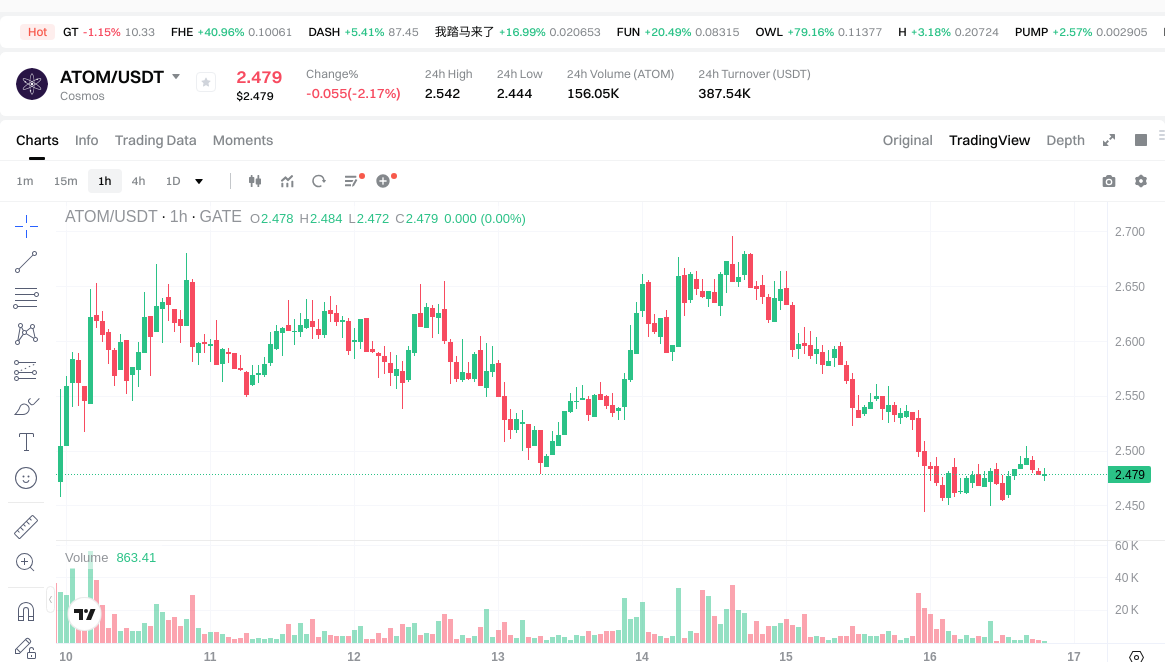
What makes Cosmos staking particularly attractive is the robust reward structure. The network generates rewards through a combination of newly minted tokens (from inflation) and transaction fees. These rewards are then distributed proportionally to validators and their delegators based on the amount of ATOM staked. The delegation system democratizes participation, allowing even those without technical expertise or substantial holdings to benefit from staking rewards by delegating to professional validators.
The security model of Cosmos staking also incorporates "slashing" penalties, which deduct a portion of staked tokens from validators who engage in malicious behavior or fail to maintain proper uptime. This mechanism creates strong economic disincentives against network attacks and ensures validators remain vigilant in their duties.
Key Factors Contributing to High Cosmos Staking Rewards
Attractive Incentive Structure
The Cosmos network has implemented a sophisticated incentive structure designed to encourage widespread participation and long-term commitment. The reward system operates on a proportional basis, where the amount of ATOM tokens staked directly influences potential returns. This creates a positive feedback loop: as more participants stake their tokens, the network becomes more secure, which in turn attracts additional stakers.
The incentive model also incorporates mechanisms to reward active participation beyond mere token holding. Validators who maintain high uptime, process transactions efficiently, and participate in governance decisions receive preferential treatment in reward distribution. This performance-based component ensures that the most reliable and committed validators are appropriately compensated, ultimately benefiting the entire network.
Furthermore, the reward structure includes provisions for delegators, who can earn substantial returns without the technical overhead of running validator nodes. By delegating their ATOM tokens to reputable validators, token holders can participate in network security while earning passive income. The competitive landscape among validators—each vying for delegations—creates a market-driven environment that tends to optimize both service quality and reward rates.
Network Inflation Rate
The inflation mechanism in Cosmos represents a carefully calibrated economic model designed to balance multiple objectives: incentivizing staking participation, maintaining network security, and preserving long-term token value. The network implements a dynamic inflation rate that ranges between 7% and 20% annually, with the actual rate determined by the percentage of total ATOM supply currently staked.
This adaptive inflation model operates on a simple principle: when the staking ratio falls below the target threshold (typically around 67% of total supply), inflation increases to make staking more attractive. Conversely, when too many tokens are staked, inflation decreases to prevent excessive dilution. This self-regulating mechanism ensures that the network maintains optimal security through adequate staking participation while avoiding the negative effects of runaway inflation.
The newly minted tokens from inflation are distributed directly to stakers as rewards, creating a powerful incentive for token holders to participate in network security. For those who choose not to stake, their holdings experience gradual dilution as the total supply increases. This economic pressure encourages widespread staking participation, which directly translates to higher network security.
It's important to note that the effective yield for stakers typically exceeds the nominal inflation rate because not all tokens in circulation are staked. When only a portion of the total supply participates in staking, the rewards are concentrated among active stakers, resulting in annual percentage yields that can significantly exceed the base inflation rate.
Slashing Penalties and Security
The Cosmos network implements stringent slashing conditions that serve as critical safeguards against validator misbehavior and network attacks. These penalties represent one of the most distinctive features of the Cosmos security model, creating strong economic disincentives for actions that could compromise network integrity.
Slashing can occur under several circumstances. The most severe penalties are imposed for "double-signing," where a validator attempts to sign two different blocks at the same height—an action that could lead to blockchain forks and consensus failures. Validators caught double-signing can lose a substantial portion of their staked tokens, often around 5% or more, along with being permanently removed from the validator set.
Downtime penalties represent another form of slashing, though typically less severe. Validators who fail to maintain adequate uptime and miss too many blocks face gradual reductions in their staked tokens. This mechanism ensures that validators maintain reliable infrastructure and remain consistently available to participate in consensus.
The existence of these slashing conditions creates a high-stakes environment where validators must invest significantly in security, infrastructure, and monitoring systems. This investment requirement naturally filters for professional, committed validators, which contributes to overall network stability. The reduced risk of network attacks and the demonstrated reliability of validators make staking more attractive to potential delegators, supporting higher participation rates and, consequently, robust staking rewards.
Importantly, the slashing mechanism also affects delegators, as they share in both the rewards and risks associated with their chosen validator. This shared risk model encourages delegators to carefully evaluate validators before delegating, creating a market-driven quality control mechanism that benefits the entire ecosystem.
The Role of the Cosmos Community
The strength and vitality of the Cosmos ecosystem extend far beyond its technical architecture, rooted deeply in its engaged and knowledgeable community. This community-driven approach has proven instrumental in sustaining high staking participation and maintaining network health over time.
Community engagement in Cosmos manifests through multiple channels. The network maintains active presence across various platforms where developers, validators, and token holders collaborate, share knowledge, and coordinate network improvements. Regular community calls, governance discussions, and educational initiatives create an environment where participants feel invested in the network's success beyond mere financial returns.
The governance structure of Cosmos empowers ATOM stakers to participate directly in network decision-making through on-chain voting. This participatory governance model means that stakers have genuine influence over protocol upgrades, parameter adjustments, and strategic directions. The ability to shape the network's future creates additional incentives for long-term staking commitment, as participants recognize that their voice matters in the ecosystem's evolution.
Educational resources and documentation represent another crucial aspect of community support. The Cosmos ecosystem provides extensive materials explaining staking mechanics, validator selection criteria, and network economics. This transparency reduces barriers to entry and helps participants make informed decisions, contributing to a more sophisticated and stable staking environment.
Strategic partnerships and collaborations have further strengthened the Cosmos ecosystem. The network has established relationships with major blockchain projects and institutional participants, lending credibility and stability to the platform. These partnerships often result in cross-chain integrations and expanded use cases, which drive demand for ATOM tokens and support healthy staking economics.
Interoperability: Future-Proofing the Network
The interoperability capabilities of Cosmos represent perhaps its most significant long-term value proposition, fundamentally distinguishing it from isolated blockchain networks. Through the Inter-Blockchain Communication (IBC) protocol, Cosmos enables different blockchain networks to transfer tokens and data seamlessly, creating a connected ecosystem of specialized chains.
This interoperability architecture addresses a critical limitation in blockchain technology: the fragmentation of liquidity, users, and applications across incompatible networks. By allowing chains to communicate while maintaining their sovereignty and specialized features, Cosmos creates a framework where the blockchain industry can scale horizontally rather than forcing all activity onto a single chain.
The IBC protocol operates through a sophisticated system of light clients and relayers that verify cross-chain transactions without requiring trust in third parties. This trustless design ensures that interoperability doesn't compromise the security guarantees of participating chains. As more blockchains adopt IBC and connect to the Cosmos network, the utility and demand for ATOM tokens increase, supporting the economic foundation for staking rewards.
The growth of the Cosmos ecosystem through IBC connections creates network effects that benefit ATOM stakers. Each new chain that joins the network potentially increases transaction volumes, which contributes to transaction fee revenues distributed to stakers. Additionally, the expanding ecosystem attracts more developers and projects, driving broader adoption and supporting token value appreciation.
From a staking perspective, the interoperability vision ensures that Cosmos remains relevant and valuable in an evolving blockchain landscape. Rather than competing directly with every new blockchain innovation, Cosmos positions itself as the connective tissue that enables different specialized chains to work together. This strategic positioning suggests sustainable long-term demand for network security through staking, supporting the continuation of attractive staking rewards.
FAQ
Why is the Cosmos (ATOM) staking yield higher than other blockchain projects?
Cosmos offers high staking yields due to its large staking pool and elevated participation rate. With approximately 59% of ATOM staked (valued at around $1.2 billion), and providing yields up to 18.5%, its significant market value and high staking percentage drive competitive returns.
What is the typical annual staking yield for Cosmos and how is it calculated?
Cosmos staking typically offers around 19% annual yield. Calculate your rewards by multiplying your ATOM holdings by 0.19, then divide by 12 for monthly rewards or 365 for daily rewards.
How to participate in Cosmos staking? What is the minimum ATOM token holding required?
You can stake ATOM directly through validators or staking platforms. The minimum requirement is typically 1 ATOM to start earning staking rewards. Higher amounts generate better returns on your stake.
What are the risks of Cosmos staking and what slashing penalties might be faced?
Cosmos staking risks include price volatility and slashing penalties. Validators who fail to perform duties properly face slashing, losing a portion of their ATOM tokens. Key risks involve market price fluctuations and validator performance requirements.
How does Cosmos staking yield compare with other mainstream PoS projects like Ethereum and Polkadot?
Cosmos currently offers competitive staking rewards, typically ranging from 15-20% annually. Polkadot generally provides higher yields around 12-15%, while Ethereum offers lower returns at 3-4%. Cosmos stands out with higher inflation-driven rewards among major PoS networks.
Is Cosmos staking yield sustainable? How will returns change in the future?
Cosmos staking yields are unlikely to sustain at current levels. As more validators join and stake, inflation will decrease, causing APY to gradually decline toward single digits over the next 1-2 years. Expect stabilization around 7-10% annually.

Maximize Returns with Crypto Yield Aggregators in DeFi Solutions

Long-Term Cryptocurrency Investment: The Hold Forever Strategy

Unveiling the APR Formula for Staking in the Digital Age

Top Cryptocurrency Savings Accounts for Maximum Returns

Top Platforms for Bitcoin Staking

Understanding Total Value Locked (TVL) in Cryptocurrencies
Dogecoin in Recent Years: Investment Outlook

How Far Is Golden CO From Denver CO: Distance, Travel Tips & Crypto Trends

What Is a Strategic Bitcoin Reserve?
Bitcoin Fear and Greed Index: What Does Current Market Sentiment Reveal?

When Will Pi Coin Drop: Understanding the Timeline