Will GRT Reach $100: Exploring the Potential

Understanding The Graph and GRT Token
The Graph is an indexing protocol that plays a pivotal role in querying data from blockchains, notably Ethereum, making it accessible through a system of decentralized applications (dApps). By creating a decentralized network of indexes, or subgraphs, The Graph enables developers to efficiently retrieve data that powers a wide array of DeFi apps, NFTs, and more, thereby enhancing the functionality and usability of the blockchain ecosystem.
This innovative protocol addresses a critical challenge in blockchain technology: the difficulty of accessing and querying on-chain data efficiently. Traditional blockchain queries can be slow and resource-intensive, but The Graph's indexing solution provides a streamlined alternative that has become essential infrastructure for the Web3 ecosystem.
The Role of GRT
GRT is the native utility token of The Graph network, functioning primarily as an incentive for node operators, known as Indexers, and other ecosystem participants, including Curators and Delegators. These participants facilitate the network's data querying processes and ensure smooth operations, with GRT serving as the medium for staking and payments related to the services rendered.
The tokenomics of GRT are designed to align incentives across the network. Indexers stake GRT to provide indexing services and earn query fees and indexing rewards. Curators signal which subgraphs are valuable by staking GRT, helping to organize the network's data. Delegators can stake their GRT with Indexers to participate in network security and earn rewards without running infrastructure themselves. This multi-layered token utility creates a robust economic model that supports network growth and security.
Market Potential and Trends
One of the key factors in assessing whether GRT can reach the $100 mark is observing the broader trends in the cryptocurrency and blockchain industries. The rise of DeFi and its continuous evolution is paramount, as The Graph's infrastructure supports numerous DeFi protocols and dApps, directly linking its demand to this sector's growth. As more applications leverage The Graph to enhance their performance, the demand for GRT could increase correspondingly.
The blockchain industry has experienced remarkable growth over the past several years, with the total value locked in DeFi protocols reaching unprecedented levels. This expansion creates a favorable environment for infrastructure projects like The Graph, which provide essential services that enable the broader ecosystem to function effectively. The increasing complexity and sophistication of blockchain applications further emphasize the need for efficient data indexing solutions.
Scalability and Innovation
The Graph is continually evolving, striving for greater scalability and efficiency. Their transition towards a multi-blockchain future could open doors to new opportunities beyond Ethereum, further driving the demand for GRT. Ongoing developments and partnerships underline The Graph's commitment to facilitating a broad array of blockchain networks, promising growth potential that could impact GRT's valuation.
The protocol's roadmap includes support for additional layer-1 blockchains and layer-2 scaling solutions, which would significantly expand its addressable market. As the blockchain ecosystem becomes increasingly multi-chain, The Graph's ability to provide unified data indexing across different networks positions it as critical infrastructure for the next generation of decentralized applications.
Influential Factors in GRT's Price Path
Adoption Rate
The level at which developers and users adopt The Graph significantly impacts GRT's market valuation. Higher adoption equates to enhanced utility and demand for GRT tokens, which could, in turn, drive prices upwards. As of recent observations, The Graph supports numerous active subgraphs across different sectors, including gaming, DeFi, and NFTs.
Real-world adoption metrics demonstrate The Graph's growing importance in the blockchain ecosystem. Major platforms and protocols rely on The Graph for data indexing, including prominent DeFi platforms, NFT marketplaces, and blockchain analytics tools. Each new integration and application built on The Graph strengthens the network effect and increases the fundamental value proposition of the GRT token. The protocol's ability to serve billions of queries demonstrates its scalability and reliability, factors that attract more developers to build on the platform.
Network Expansion
Expanding the network capacity and connecting with more blockchains can significantly influence GRT's outlook. With its instrumental role in data indexing, The Graph's usability is highly dependent on its integration with other emerging technologies and platforms. A robust network expansion plan could likely stimulate GRT's growth trajectory.
The strategic expansion to support multiple blockchain networks creates opportunities for exponential growth in query volume and token utility. Each new blockchain integration brings additional developers, applications, and users into The Graph ecosystem, creating a compounding effect on network value. Furthermore, the development of specialized subgraphs for emerging use cases such as decentralized social media, gaming, and enterprise blockchain applications opens new revenue streams and use cases for the protocol.
Regulatory Environment
Regulatory developments have a profound effect on cryptocurrencies' market sentiment. A favorable regulatory environment, promoting innovation while protecting consumer interests, can be conducive to GRT's growth, instilling investor confidence and reducing uncertainties.
The regulatory landscape for blockchain technology continues to evolve globally. Jurisdictions that establish clear, supportive frameworks for blockchain infrastructure projects could accelerate adoption and investment in protocols like The Graph. As a utility token focused on providing technical services rather than speculative investment, GRT may benefit from regulatory clarity that distinguishes infrastructure tokens from securities or payment tokens.
Market Sentiment
Cryptocurrency prices are heavily influenced by market sentiment. Bullish trends driven by mass adoption, technological advancements, and positive news can propel GRT's price, whereas bearish markets or negative sentiments could dampen its price growth.
Market psychology plays a crucial role in determining short-term price movements, though fundamental value tends to assert itself over longer timeframes. Positive developments such as major protocol upgrades, significant partnerships, or increased query volume can generate enthusiasm and attract investment. Conversely, broader market downturns or negative news affecting the blockchain sector can create temporary headwinds regardless of a project's fundamental strength.
The $100 Question: Realistic Analysis
Projections and Possibilities
Despite the potent factors fueling The Graph's ecosystem, projecting GRT's specific price point of $100 requires careful consideration of multiple variables. The unpredictable nature of the crypto market, coupled with innovative advancements and widespread blockchain adoption, could potentially make what seems ambitious more feasible over an extended timeframe.
To reach $100 per token, GRT would require substantial market capitalization growth. This would necessitate a combination of factors including significant increases in network usage, broader cryptocurrency market expansion, and sustained investor confidence. While such growth is not unprecedented in the cryptocurrency space, investors should approach such projections with appropriate caution and conduct thorough due diligence.
Comparisons and Historical Precedents
Analyzing past crypto market trends reveals that several tokens have achieved exponential growth under conducive circumstances, especially during bullish market phases. A combination of network expansion, increasing adoption, and sustained market positivity could eventually place GRT on a similar trajectory.
Historical examples from the cryptocurrency market demonstrate that infrastructure projects with strong fundamentals and growing adoption can experience significant price appreciation. Projects that successfully capture essential niches in the blockchain ecosystem and demonstrate consistent usage growth have historically rewarded long-term investors. However, it is equally important to note that past performance does not guarantee future results, and the cryptocurrency market remains highly volatile and unpredictable.
Risk Considerations and Investment Perspective
Investors considering GRT should carefully evaluate both the opportunities and risks. While The Graph addresses a genuine need in the blockchain ecosystem and has demonstrated technical capability and growing adoption, reaching a $100 price point would represent substantial appreciation from historical levels. Factors such as competition from alternative indexing solutions, technological challenges, regulatory changes, and broader market conditions could all impact GRT's price trajectory.
A balanced investment approach involves assessing The Graph's fundamental value proposition, monitoring adoption metrics, staying informed about protocol developments, and maintaining realistic expectations about potential returns. Diversification and risk management remain essential principles for any cryptocurrency investment strategy.
FAQ
What is GRT (The Graph) and what are its practical uses?
The Graph is a decentralized indexing protocol that organizes blockchain data, enabling developers to query cryptocurrency networks efficiently. GRT tokens incentivize indexers, curators, and delegators to maintain network security and data accuracy across Web3 applications.
What conditions are needed for GRT to reach $100? Is it realistic from the current price?
GRT reaching $100 requires substantial ecosystem growth, increased adoption by major data indexing platforms, and significant market expansion. While the current price makes this ambitious, sustained development and enterprise integration could make it achievable within years.
What are The Graph's technical prospects? Why do people have optimistic views on its long-term potential?
The Graph excels in decentralized indexing and query infrastructure. Its technical foundation enables efficient blockchain data retrieval across networks. Strong developer adoption, expanding ecosystem integration, and increasing data demand position GRT for sustained growth and potential price appreciation.
What are the risks to consider when investing in GRT?
GRT investment risks include market volatility, regulatory changes in crypto sectors, technological competition, and liquidity fluctuations. Monitor network adoption rates and governance decisions that may impact token value and utility.
What are the advantages of GRT compared to other Layer 1 blockchains or data protocol projects?
GRT excels in decentralized indexing and query efficiency. Its specialized focus on data infrastructure provides superior query performance, lower latency, and better economic incentives for indexers compared to general-purpose Layer 1s, making it essential for Web3 applications.
What is GRT's tokenomic model? How is the inflation rate?
GRT features a capped supply of 10 billion tokens with annual inflation initially set at 3%, decreasing over time. The model incentivizes Indexers, Curators, and Delegators through protocol rewards, creating sustainable ecosystem economics while gradually reducing inflation pressure.
What is GRT's historical price performance and what heights has it reached?
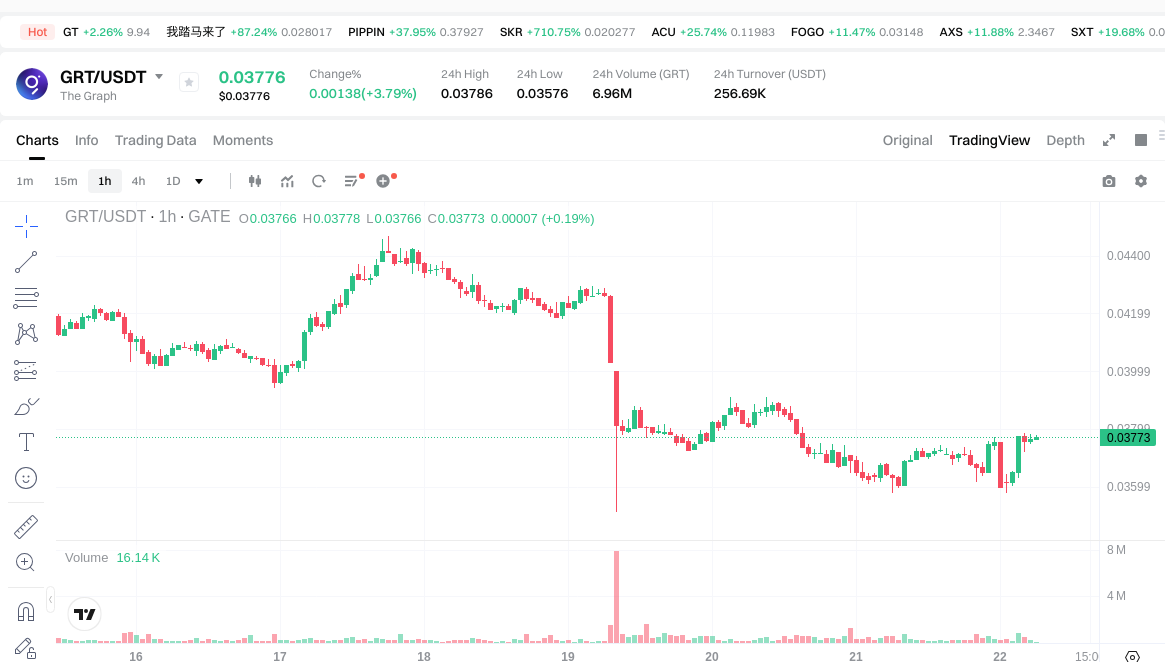
GRT launched at $0.03 in December 2020 and reached an all-time high of approximately $2.88 in May 2021. Since then, it has experienced significant volatility, trading between $0.05 and $0.30 range in recent years. Despite market fluctuations, GRT maintains strong fundamentals as The Graph's native token powering decentralized data indexing infrastructure.

Exploring the Three Layers of Avalanche Blockchain Architecture
Understanding Directed Acyclic Graphs in Blockchain Systems
Top IDO Launchpads for Crypto Projects in 2023
How to Analyze a Crypto Project's Fundamentals: 5 Key Factors to Consider

How Does Basic Attention Token's On-Chain Data Reflect Brave Browser's Growth in 2025?

How Does CMC20 Compare to Theta Network in the DeFi Landscape?
When Is Altcoin Season Start: Key Trends & Insights
Federal Reserve FOMC Meeting: Interest Rate Decisions and Crypto Market Impact

Free Airdrop Telegram Bot: How to Find and Use Crypto Airdrops
How to Get Bitcoin Fast and Free: Tips and Tricks

How to Use Copy Trading Platform