LIBRA Token Scandal Investigated: Javier Milei’s $5M Promotion Deal Exposed and Its Implications for Crypto
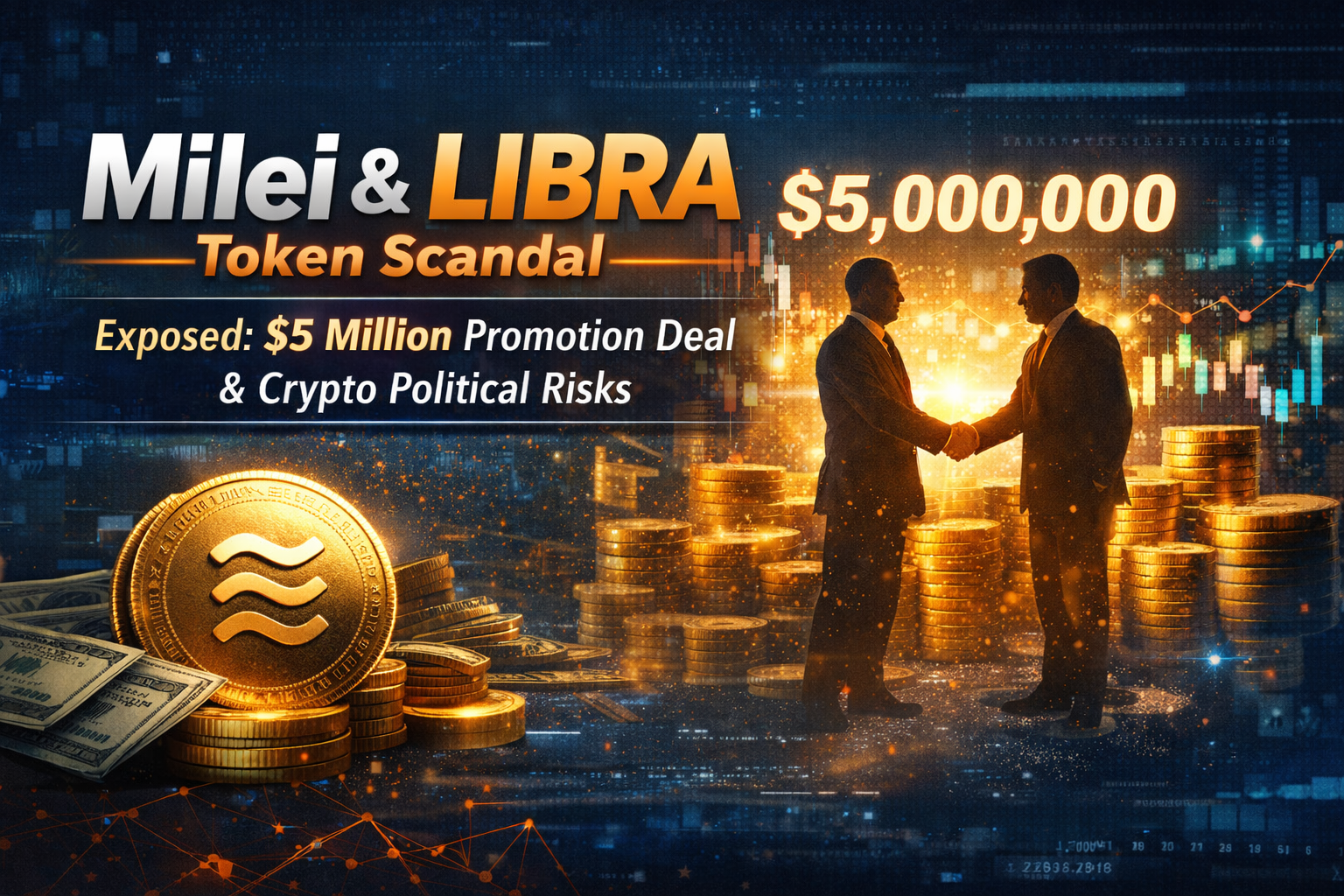
Investigation File Reveals: $5 Million Promotion Agreement Comes to Light
A recently leaked investigation document shows that Argentine authorities, while probing the LIBRA token incident, recovered an internal file believed to have been deleted. This document reportedly details a promotion agreement worth around $5 million.
Key individuals named in the investigation include:
- Argentine President Javier Milei
- Entrepreneur Mauricio Novelli
- LIBRA project associate Mark Hayden Davis
According to the document, the agreement appears to include the following terms:
- Total amount of approximately $5 million
- Funds disbursed in stages
- Promotion of the LIBRA project on social media as a condition
- Simultaneous creation of a public image of the President as consulting for or supporting the project
Investigators believe these records align with the timeline of market activity surrounding the LIBRA token launch, but further verification is needed to determine whether the agreement was actually executed.
LIBRA Token Incident Review: Presidential Endorsement, Surge, and Collapse
The LIBRA incident began in early 2025, when Javier Milei publicly mentioned the LIBRA project on social media, stating that its goal was to support the Argentine economy and small- to medium-sized enterprise financing.
The news quickly spread within the crypto community and drew significant attention from investors. The President’s influence drove rapid market interest in the token.
The market followed three general phases:
First Phase: Rapid Surge in Attention
After the President’s public comments, many investors began to focus on and buy LIBRA tokens, causing trading volume to spike.
Second Phase: Fast Price Rally
Fueled by market sentiment, the token’s price surged in a short period, attracting a wave of new investors.
Third Phase: Sharp Price Drop
Following the brief rally, the price fell rapidly. Some early holders sold large amounts, leading to significant market losses.
This “celebrity endorsement + short-term surge + rapid collapse” pattern is not unusual in crypto, but the involvement of a head of state makes the impact far more significant.
On-Chain Funds and Trading Structure: Who Benefited from the LIBRA Incident
After the LIBRA incident, several blockchain analytics firms examined on-chain data.
Their analysis found:
- Over 100,000 wallet addresses participated in LIBRA trading
- Most addresses incurred losses after the price drop
- A small group of early addresses cashed out at the top
Some addresses realized profits exceeding $1 million.
While there is no direct evidence linking these addresses to the project team, market analysts note that LIBRA displayed a classic pattern: early concentrated holdings, market-driven liquidity promotion, and high-level exits.
This structure is common in meme tokens and short-term speculative assets.
Potential Risks of Political Figures Participating in Crypto Markets
The LIBRA incident sparked widespread debate about political figures’ involvement in crypto markets.
In traditional finance, politicians are subject to strict conflict-of-interest and disclosure rules. However, in crypto, global market dynamics and regulatory gaps make these situations more complex.
Key risks include:
Information Asymmetry
Public statements from political figures can be interpreted as policy signals or official support, influencing investor decisions.
Market Manipulation Concerns
If project teams leverage political figures’ influence for promotion, it can trigger irrational price surges.
Legal Liability Issues
Different countries have varying legal standards for promoting financial products. When political figures are involved, responsibility becomes even more complex.
Regulation and Industry Impact: What the LIBRA Incident Means
The LIBRA incident offers global regulators a new case study.
In recent years, authorities worldwide have become more attentive to celebrity and public figure promotion of crypto assets. For example:
- U.S. regulators have investigated several celebrities for token promotion
- The European Union is tightening disclosure requirements for crypto markets
If the LIBRA incident is ultimately found to involve violations, regulators may strengthen:
- Disclosure obligations for celebrity crypto promotions
- Compliance requirements for crypto project marketing
- Legal definitions of market manipulation
For the crypto industry, this points to more standardized market promotion practices in the future.
Possible Future Scenarios and Industry Takeaways
The LIBRA incident remains under investigation, with final conclusions pending judicial review.
Possible scenarios include:
First: Agreement Confirmed
If the investigation verifies the promotion agreement, those involved may face legal consequences.
Second: Insufficient Evidence
If there’s no proof of agreement execution or fund transfers, the incident may fade from public attention.
Third: Increased Industry Oversight
Regardless of outcome, this incident could prompt regulators worldwide to reassess the relationship between political figures and crypto markets.
Conclusion
The LIBRA token incident highlights the complex interplay between political influence, market sentiment, and speculative capital in crypto. The $5 million promotion agreement exposed—though unconfirmed—has already fueled debate about political figures’ roles in crypto markets.
As the global crypto industry evolves, balancing innovation and regulation remains a core challenge.
Ultimately, the LIBRA incident reminds investors: in crypto, even statements from political leaders cannot substitute for independent analysis of project fundamentals.
Related Articles

Will Sidra Break $1,000? A Realistic Look at Sidra Chain Price Claims in 2026–2027
BlockDAG (BDAG): A High-Speed and Secure Layer 1 for the Next Era
Rising Prices but Bearish Funding Rates: Is Crypto Entering a “Layered Bull Market” After Wall Street Capital Inflows?

Fractional NFTs: Lowering Barriers and Enhancing Liquidity
What is USDC? A Complete Guide to One of the Most Trusted Stablecoins