The Sandbox LANDs: Digital Real Estate for Building, Creating, and Growing in the Metaverse
What Are The Sandbox LANDs?
 (Source: sandbox.game)
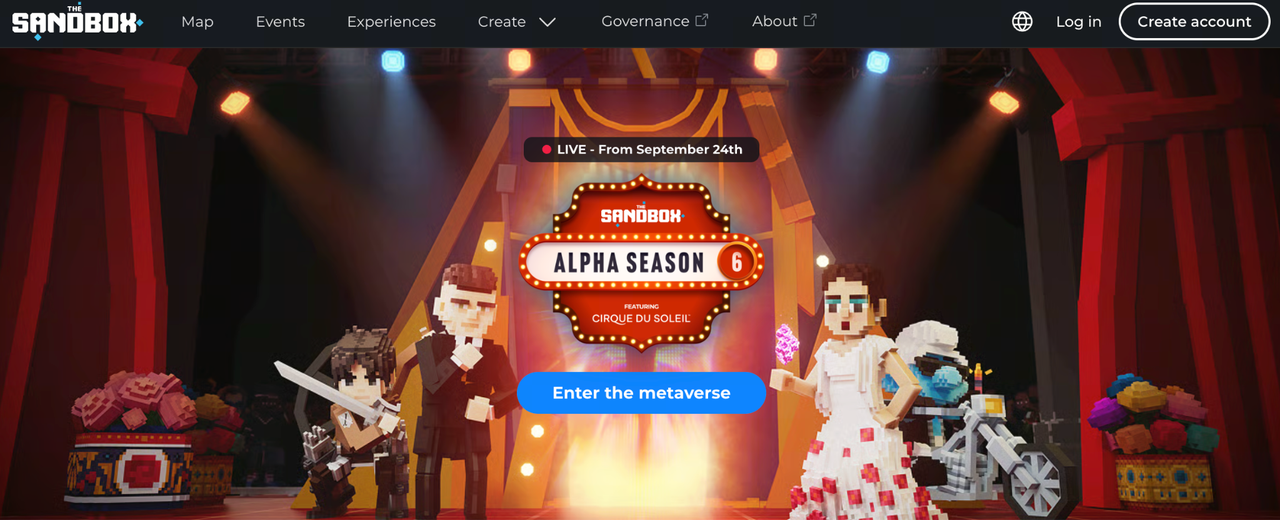
In the Web3 Metaverse, The Sandbox LANDs serve as the foundational building blocks of the virtual world. They are NFT assets deployed on the blockchain, each representing a unique plot of land within the Sandbox universe. The entire map consists of 166,464 LANDs, each one an independent and unique virtual space.
These LANDs are more than just digital real estate — they grant creation and operation rights. Holders can freely build environments and transform their LAND into a content platform that generates returns.
Web3 Social Interaction and Virtual Identity Are Taking Shape
Beyond gaming and events, The Sandbox LANDs are increasingly becoming an extension of Web3 virtual identity. Many creators and brands use LANDs to build exclusive showrooms, member Group hubs, or digital business cards. Users can then create a more immersive online identity through Avatars, NFT collections, and interactive content.
The core difference from traditional social platforms is that users truly own their assets and content records, rather than being dependent on the platform. As demand for virtual social experiences and digital identity grows, LANDs are evolving from simple game maps into digital headquarters within the Web3 World.
What Can You Do With a LAND?
-
Build Your Own Experience World On a LAND, you can build games, exhibition areas, event venues, and interactive spaces. Creators can set entry requirements, ticket prices, or sell in-game items to directly monetize their content.
-
Fully Own Your Virtual Assets As an NFT, a LAND gives you a unique on-chain ownership record. You have complete control over modifying, selling, or transferring it.
-
Establish a Community Hub Holders can build social spaces on LANDs to host gatherings, run community events, or even use them as a virtual headquarters for a DAO.
-
Participate in Platform Governance LAND holders can vote on future updates, policies, and partnership decisions for The Sandbox through the governance mechanism.
-
Trade, Rent, and Earn Passive Return LANDs can be freely traded on the secondary market. They can also be rented to creators needing building space, mirroring a landlord model in the Metaverse.
LAND Structure and Specifications
The standard size of each LAND is 96m x 96m x 128m (Length x Width x Height). Creators can build scenes, terrain, or complete game flows within this volume.
If you need more space, multiple LANDs can be combined into an ESTATE (a larger contiguous area). An ESTATE acts like a large property, commonly used for brand collaborations, entertainment venues, or large-scale events to create a more immersive experience.
Core Advantages and Value of The Sandbox LANDs
-
A Creator-Centric Economic Model The Sandbox is driven by users, brands, and creators. LANDs let you turn creativity into revenue and community influence without intermediaries.
-
True Digital Land Ownership Blockchain makes LAND ownership transparent and open, ensuring exclusivity without relying on a centralized platform.
-
A Hub for Brands and Communities Many international brands, celebrities, and Web3 projects have already established a presence in The Sandbox. LANDs have thus become a major gathering place for the Web3 community.
How Does LAND Scarcity Affect Market Value?
The total supply of The Sandbox LANDs is fixed at 166,464 — no new ones can be created, giving them clear scarcity. LANDs located near well-known brands, popular gaming areas, or major event centers typically attract higher market attention.
During the early Metaverse boom, many investors viewed LANDs as digital real estate in the Web3 World. While market prices are still influenced by the overall crypto market and platform activity, LANDs with favorable positions, traffic effects, or brand collaboration potential may still offer long-term value and appreciation.
To learn more about Web3, click here to Sign Up: https://www.gate.com/
Summary
From the start, The Sandbox LANDs have been more than just pieces of a virtual map — they are the essential building blocks for creating worlds. Whether you want to build games, establish social hubs, run brand showrooms, or simply invest in LAND assets long term, they offer a complete and flexible framework. If Web2 content platforms are like renting space to create, then in The Sandbox, LANDs give you true ownership of the stage.
Related Articles

Will Sidra Break $1,000? A Realistic Look at Sidra Chain Price Claims in 2026–2027
BlockDAG (BDAG): A High-Speed and Secure Layer 1 for the Next Era

Rising Prices but Bearish Funding Rates: Is Crypto Entering a “Layered Bull Market” After Wall Street Capital Inflows?
Fractional NFTs: Lowering Barriers and Enhancing Liquidity
What is USDC? A Complete Guide to One of the Most Trusted Stablecoins