

LCP_hide_placeholder
fomox
MarketsPerpsSpotSwap
Meme
Referral
More
Become a Smart Money on Tracker
Search Token/Wallet
/

How does cryptocurrency compliance and regulatory risk affect SEC SEC audits and KYC/AML policies in 2026


2026-01-13 06:01:56
Blockchain
Crypto Ecosystem
Crypto Trading
Cryptocurrency market
Stablecoin
Article Rating : 3.5
half-star
23 ratings
This comprehensive guide examines how cryptocurrency compliance and regulatory risk shape SEC audits and KYC/AML policies in 2026. The SEC shifted from enforcement-driven tactics to clear compliance pathways, emphasizing operational resiliency, information security, and fiduciary standards for digital assets. Crypto exchanges must meet stringent audit transparency and financial disclosure requirements, including asset segregation and fair value reporting. The 68 enforcement actions documented across 2025 demonstrate intensified regulatory scrutiny impacting market dynamics. Organizations strengthen KYC/AML frameworks through continuous lifecycle risk assessment, enhanced due diligence, and cross-border compliance mechanisms. Global institutions navigate multi-jurisdictional standards including US multi-agency oversight, EU MiCA framework, and international sandbox models. Success requires robust compliance programs, real-time transaction monitoring via AI-native platforms, and detailed documentation accessibl
How does cryptocurrency compliance and regulatory risk affect SEC SEC audits and KYC/AML policies in 2026

SEC Regulatory Stance on Cryptocurrency Compliance: Evolving Standards and Enforcement Priorities in 2026

The SEC's regulatory approach to cryptocurrency compliance has undergone a fundamental transformation, shifting from enforcement-driven tactics to enabling clear compliance pathways. Under new leadership, the SEC introduced purpose-built legislative frameworks through initiatives like the GENIUS Act, establishing transparent standards for digital asset compliance that mark a departure from previous regulatory uncertainty.

In 2026, the SEC's evolving standards emphasize operational resiliency and information security as core compliance pillars. The agency's examination priorities specifically target investment advisers' fiduciary standards and the effectiveness of compliance programs managing digital assets. These standards now address custody requirements, cybersecurity safeguarding, and blockchain-specific threat mitigation for crypto asset service providers.

The enforcement priorities framework reflects this enabling stance, focusing on adherence to new and amended regulations rather than retroactive prosecution. Key examination areas include whether crypto market participants maintain adequate compliance programs, implement proper identity verification protocols aligned with BSA/AML obligations, and ensure transparent disclosure of conflicts of interest in crypto product recommendations.

Notably, the SEC coordinated with federal agencies to establish stablecoin implementation timelines and aligned custody guidance with existing securities regulations. This harmonized approach extends to crypto exchange operations and broker-dealer sales practices involving digital assets, particularly regarding Regulation Best Interest compliance.

The 2026 compliance landscape prioritizes transparency and practicality, recognizing that market participants must navigate complex regulatory requirements. The SEC's collaborative examination approach supports registrants in developing effective compliance programs, signaling a mature regulatory environment where clear standards replace ambiguity, enabling institutions to integrate crypto compliance with existing investment management frameworks confidently.

Audit Transparency and Financial Disclosure Requirements for Crypto Exchanges and Trading Platforms

Crypto exchanges and trading platforms face increasingly stringent audit transparency and financial disclosure requirements designed to protect investors and maintain market integrity. Under federal securities laws, the SEC has established clear expectations for regulatory disclosures that extend beyond traditional financial statements. Platforms must transparently report material terms of agreements with authorized participants and custody providers, detailing storage policies, insurance coverage, and fee arrangements. The CLARITY Act reinforces these disclosure obligations by mandating that registered exchanges segregate customer assets, implement comprehensive market surveillance, and provide detailed reporting on operational structures. Additionally, Financial Accounting Standards Board guidance (ASU 2023-08) requires fair value reporting of crypto assets on balance sheets, establishing standardized valuation methodologies. These audit transparency measures encompass disclosures regarding financing arrangements, including interest rates and creation-redemption mechanics. Trading platforms must also document third-party service arrangements comprehensively, ensuring regulators can assess operational risk and compliance controls. By 2026, the convergence of SEC clarifications and emerging regulatory frameworks creates a robust disclosure ecosystem that demands platforms maintain transparent, auditable records accessible to both regulators and stakeholders, fundamentally reshaping how crypto exchanges approach financial reporting and compliance governance.

High-Profile Regulatory Events and Their Market Impact: 68 Enforcement Actions Across the Industry

Throughout 2025, regulatory agencies intensified their scrutiny of the cryptocurrency and digital assets sectors through 68 enforcement actions documented across multiple jurisdictions. This surge in regulatory enforcement activity has fundamentally reshaped market dynamics, triggering significant volatility as investors and market participants grapple with evolving compliance requirements. The SEC and CFTC strategically pivoted their enforcement priorities, redirecting resources toward digital assets market practices and institutional trading behaviors that previously received less attention.

This enforcement shift reflects a broader regulatory philosophy emphasizing proactive market oversight rather than reactive interventions. The marked increase in compliance-focused actions has created substantial operational challenges for cryptocurrency platforms and financial institutions managing digital asset trading. Market data reveals that periods of heightened enforcement announcements correlate directly with price volatility and trading volume fluctuations, demonstrating investor sensitivity to regulatory developments. These 68 enforcement actions across the industry serve as critical benchmarks for understanding the compliance landscape institutions must navigate when implementing robust KYC/AML policies and audit frameworks. The convergence of SEC enforcement priorities with CFTC oversight expansion has established a comprehensive regulatory environment where compliance excellence has become essential for market participation and operational sustainability in 2026.

KYC/AML Policy Strengthening: Enhanced Due Diligence Standards and Cross-Border Compliance Mechanisms

Organizations are fundamentally rethinking KYC/AML frameworks beyond traditional compliance checkboxes. Enhanced due diligence now demands continuous risk assessment throughout the customer lifecycle rather than one-time verification at onboarding. This shift reflects stricter EU regulations through AMLA, AMLR, and 6AMLD standards, which establish unified AML rules applicable across member states starting July 2027.

Effective KYC/AML policy strengthening hinges on dynamic customer lifecycle management, integrating onboarding, monitoring, screening, and case management through event-driven triggers. Rather than periodic reviews, institutions must refresh customer data and risk profiles based on transaction patterns and regulatory exposure. The EU Anti-Money Laundering Regulation mandates annual updates for higher-risk customers and five-year intervals for others, forcing firms to adopt scalable compliance models.

Cross-border compliance mechanisms require real-time monitoring capabilities and technology-driven verification that adapt intensity based on jurisdictional risk and sanctions exposure. Institutions successfully navigating this landscape build living risk profiles with transparent, defensible evidence trails. They demonstrate how crypto-related alerts are detected, investigated, and resolved with clear links to customer risk assessments. AI-native platforms reshape this environment, enabling firms to maintain financial crime controls while reducing unnecessary customer friction and operational complexity in international operations.

FAQ

How will SEC audit requirements for cryptocurrency companies change in 2026?

By 2026, the SEC will enforce stricter audit standards focusing on securities law compliance, anti-fraud measures, and enhanced disclosure requirements. Companies must implement robust internal controls, conduct regular third-party audits, and maintain detailed KYC/AML documentation. The regulatory framework emphasizes investor protection while supporting responsible innovation in the digital asset space.

How do cryptocurrency exchanges address stricter KYC/AML compliance requirements?

Exchanges build or purchase compliance stacks while maintaining robust documentation including capitalization and vendor due diligence. Focus on SOC/ISO certifications, control testing, and comprehensive KYC/AML verification protocols to meet 2026 regulatory standards.

Cryptocurrency Compliance Risks Impact on Enterprise Financial Audits

Cryptocurrency compliance risks require enterprises to implement detailed asset disclosures, rigorous KYC/AML protocols, and stricter audit standards. These measures increase audit complexity and costs while demanding adherence to evolving regulatory frameworks, ultimately strengthening financial transparency and institutional credibility.

How to handle regulatory standard differences between US and international regulators on cryptocurrency compliance?

US employs multi-agency framework (SEC, CFTC, FinCEN) with different asset classifications, while international regulators adopt varied approaches. Compliance requires adhering to multiple standards: US focuses on investment contract and commodity definitions; EU emphasizes MiCA framework; Singapore and UAE follow sandbox models. Global institutions must implement tiered compliance strategies, conduct jurisdiction-specific KYC/AML assessments, maintain regulatory flexibility, and monitor policy harmonization efforts across jurisdictions.

How should cryptocurrency enterprises prepare for potential regulatory policy adjustments in 2026?

Upgrade KYC/AML policies with enhanced identity verification and comprehensive due diligence. Implement stricter customer screening, real-time transaction monitoring, and maintain detailed compliance documentation. Ensure internal audit frameworks meet SEC standards and establish dedicated compliance teams to adapt quickly to evolving regulatory requirements.

What is the core role and technical implementation of KYC/AML policies in preventing cryptocurrency money laundering?

KYC/AML policies verify user identities and monitor transactions to prevent money laundering. They use automated systems, AI, and transaction monitoring to detect suspicious activities. Effective implementation includes identity verification, risk scoring, and real-time transaction analysis to block illegal fund flows and ensure regulatory compliance.

* The information is not intended to be and does not constitute financial advice or any other recommendation of any sort offered or endorsed by Gate.

Share

Content

SEC Regulatory Stance on Cryptocurrency Compliance: Evolving Standards and Enforcement Priorities in 2026

Audit Transparency and Financial Disclosure Requirements for Crypto Exchanges and Trading Platforms

High-Profile Regulatory Events and Their Market Impact: 68 Enforcement Actions Across the Industry

KYC/AML Policy Strengthening: Enhanced Due Diligence Standards and Cross-Border Compliance Mechanisms

FAQ

Related Articles
What is cryptocurrency regulatory compliance and how do SEC regulations affect crypto investments in 2025?

What is cryptocurrency regulatory compliance and how do SEC regulations affect crypto investments in 2025?

# Article Overview: Cryptocurrency Regulatory Compliance and SEC Regulations in 2025 This comprehensive guide examines SEC regulatory frameworks, enforcement priorities, and compliance requirements shaping cryptocurrency investments in 2025. It addresses critical compliance challenges including audit transparency standards, KYC/AML implementation, and cross-border trading regulations affecting crypto platforms like Gate. The article serves investors, exchanges, and market participants navigating evolving regulatory landscapes while protecting portfolio security. Structured in five key sections—SEC enforcement priorities, exchange audit requirements, investor protection mechanisms, compliance standards, and FAQs—this resource clarifies regulatory obligations and market implications. Whether you're an institutional investor, retail trader, or compliance officer, this guide provides essential insights into maintaining compliant crypto operations and understanding regulatory consequences for non-compliance in th
2025-12-29 05:11:18
How does regulatory compliance risk impact cryptocurrency exchanges and trading platforms in 2025?

How does regulatory compliance risk impact cryptocurrency exchanges and trading platforms in 2025?

The article explores how heightened regulatory compliance risk significantly impacts cryptocurrency exchanges and trading platforms in 2025. It assesses the SEC's more stringent enforcement strategies, audit transparency, and KYC/AML policy effectiveness, alongside cross-border compliance challenges. Solutions for reducing operational risk amidst varying global standards are discussed. Crypto investors, exchange operators, and compliance professionals will gain insights into navigating regulatory complexities for improved market trust and integrity. Key topics include SEC enforcement actions, fraud prevention, audit protocols, and cross-border regulatory divergences.
2025-12-26 02:20:02
How Do Crypto Exchanges Handle KYC/AML Compliance and What Are the Latest SEC Regulatory Requirements in 2025?

How Do Crypto Exchanges Handle KYC/AML Compliance and What Are the Latest SEC Regulatory Requirements in 2025?

# Article Introduction This comprehensive guide examines how crypto exchanges implement KYC/AML compliance protocols and navigate 2025 SEC regulatory requirements. Designed for exchange operators, compliance officers, institutional investors, and crypto participants, the article addresses critical compliance gaps and operational challenges in digital asset trading. The content progresses from foundational KYC/AML standards across major platforms like Gate, through enhanced 2025 SEC anti-money laundering frameworks, to transparent audit mechanisms that verify compliance effectiveness. Readers will understand multi-tier identity verification processes, real-time transaction monitoring systems, and compliance best practices that balance regulatory adherence with market accessibility. This guide provides actionable insights on meeting evolving regulatory expectations while maintaining operational efficiency and building institutional trust through verified compliance certifications and transparent risk managemen
2025-12-28 04:10:15
What are the regulatory compliance and governance risks in cryptocurrency markets?

What are the regulatory compliance and governance risks in cryptocurrency markets?

This article explores key regulatory compliance and governance risks in cryptocurrency markets, focusing on the SEC's regulatory stance, audit transparency, and KYC/AML policy implementation. It addresses issues such as legal compliance, audit misconduct penalties, and cross-border compliance needs, catering primarily to crypto platforms and corporations engaged in digital asset activities. The article structure involves: the SEC's evolving framework for distinguishing between security and commodity tokens, audit firm accountability through multi-regulatory oversight, and robust KYC/AML policy frameworks for global compliance. Enhanced transparency and detailed compliance strategies are emphasized for maintaining market integrity and investor confidence.
2025-12-21 03:24:27
How does cryptocurrency regulatory compliance affect token security and exchange listings in 2026?

How does cryptocurrency regulatory compliance affect token security and exchange listings in 2026?

# Article Overview: Cryptocurrency Regulatory Compliance and Token Security in 2026 This comprehensive guide examines how regulatory compliance frameworks reshape token security protocols and exchange listing standards in 2026. The article addresses critical challenges facing token developers, cryptocurrency exchanges, and institutional investors navigating evolving compliance requirements across multiple jurisdictions. It explores the SEC's 2026 compliance framework establishing clearer registration pathways, KYC/AML implementation gaps affecting 31+ registered exchanges globally, and audit transparency standards preventing fraud. The content progresses from regulatory classification clarification and cross-border compliance divergence to institutional-grade security safeguards, demonstrating how compliance infrastructure strengthens token protection while creating market access barriers for non-compliant projects. Perfect for exchange operators on Gate, compliance officers, and blockchain projects seeking
2026-01-07 08:01:19
What Are the Key Compliance and Regulatory Risks in Cryptocurrency Markets in 2025?
What Are the Key Compliance and Regulatory Risks in Cryptocurrency Markets in 2025?

This article explores the evolving compliance and regulatory risks in the cryptocurrency markets by 2025, focusing on SEC enforcement changes, transparency challenges in exchanges, and advanced KYC/AML measures. It addresses issues crucial for crypto platforms, including heightened anti-money laundering demands, robust reporting practices, and multi-jurisdictional compliance complexities. The article is structured around key themes: SEC's strategic pivot, reporting gaps in exchanges, evolution in KYC/AML policies, and cross-border regulatory conflicts. It is designed for compliance officers, crypto executives, and legal experts seeking to navigate the increasingly complex regulatory landscape effectively.
2025-12-24 01:38:25
Recommended for You
How Do You Find Routing Number on Golden 1 App

How Do You Find Routing Number on Golden 1 App

This guide explains how to locate your routing number using the Golden 1 mobile banking app—a critical nine-digit identifier for seamless crypto transactions. Learn the straightforward process: open the Golden 1 app, navigate to account details, and find your routing number displayed with your account information. Understanding routing numbers is essential for funding trading accounts, setting up recurring crypto purchases, and ensuring transaction compliance. The article covers common mistakes like confusing routing numbers with account numbers, provides security best practices including verification steps and two-factor authentication, and demonstrates how to integrate Golden 1 with crypto exchanges on Gate for optimal trading experience. Whether you're a beginner or experienced trader, this comprehensive resource helps bridge traditional banking and digital assets while protecting your financial information through verified channels and secure practices.
2026-01-13 09:25:18
What is Biometric Authentication on iPhone: A New Era for Security
What is Biometric Authentication on iPhone: A New Era for Security

This comprehensive guide explores iPhone's biometric authentication technologies—Touch ID and Face ID—and their transformative impact on digital security. The article examines how these systems leverage unique fingerprint and facial recognition to verify identity securely, then delves into their applications across financial services, cryptocurrency wallets, and blockchain-based systems. Key sections address privacy protection mechanisms, including local data processing and encryption in the Secure Enclave, and demonstrate how biometric authentication integrates with decentralized identity solutions. The guide also covers emerging innovations, everyday life applications, and addresses common user concerns through detailed FAQs. Perfect for users seeking to understand modern security, protect digital assets on Gate exchange, and explore the future of authentication technology.
2026-01-13 09:19:32
How Long Did It Take Bitcoin To Reach $1000
How Long Did It Take Bitcoin To Reach $1000

This article traces Bitcoin's transformative journey from its 2008 inception to crossing the $1,000 threshold in November 2013. It explores pivotal price history events including Bitcoin's first real-world transaction at $0.004 per coin in 2010, the symbolic $1 milestone in February 2011, and the dramatic surge to $100 in April 2013 fueled by the Cyprus banking crisis. The narrative examines convergent factors driving this astronomical growth: technological innovations improving usability, expanding merchant adoption, regulatory validation, media coverage creating network effects, and growing institutional interest. The analysis reveals how Bitcoin evolved from a cryptographic experiment into a legitimate financial asset, demonstrating the complex interplay between technology, economics, and psychology in cryptocurrency valuations. Understanding these formative milestones provides essential insights into digital currency dynamics.
2026-01-13 09:16:55
How to Buy Bitcoin with Account and Routing Number
How to Buy Bitcoin with Account and Routing Number

This comprehensive guide walks you through purchasing Bitcoin using your bank account and routing number on Gate exchange. Starting with selecting a reliable platform, you'll learn to create a secure account, link your bank details, and fund your purchase through ACH or wire transfers. The guide covers market versus limit orders, transaction fees, and processing timelines. Crucially, it emphasizes securing your Bitcoin investment through personal wallets, whether hardware, software, or paper wallets. Perfect for beginners seeking a straightforward, secure entry into cryptocurrency investing, this resource addresses regulatory requirements, security best practices, and answers common questions about fees, limits, and identity verification.
2026-01-13 09:13:57
How Long Does Blockchain Verification Take?
How Long Does Blockchain Verification Take?

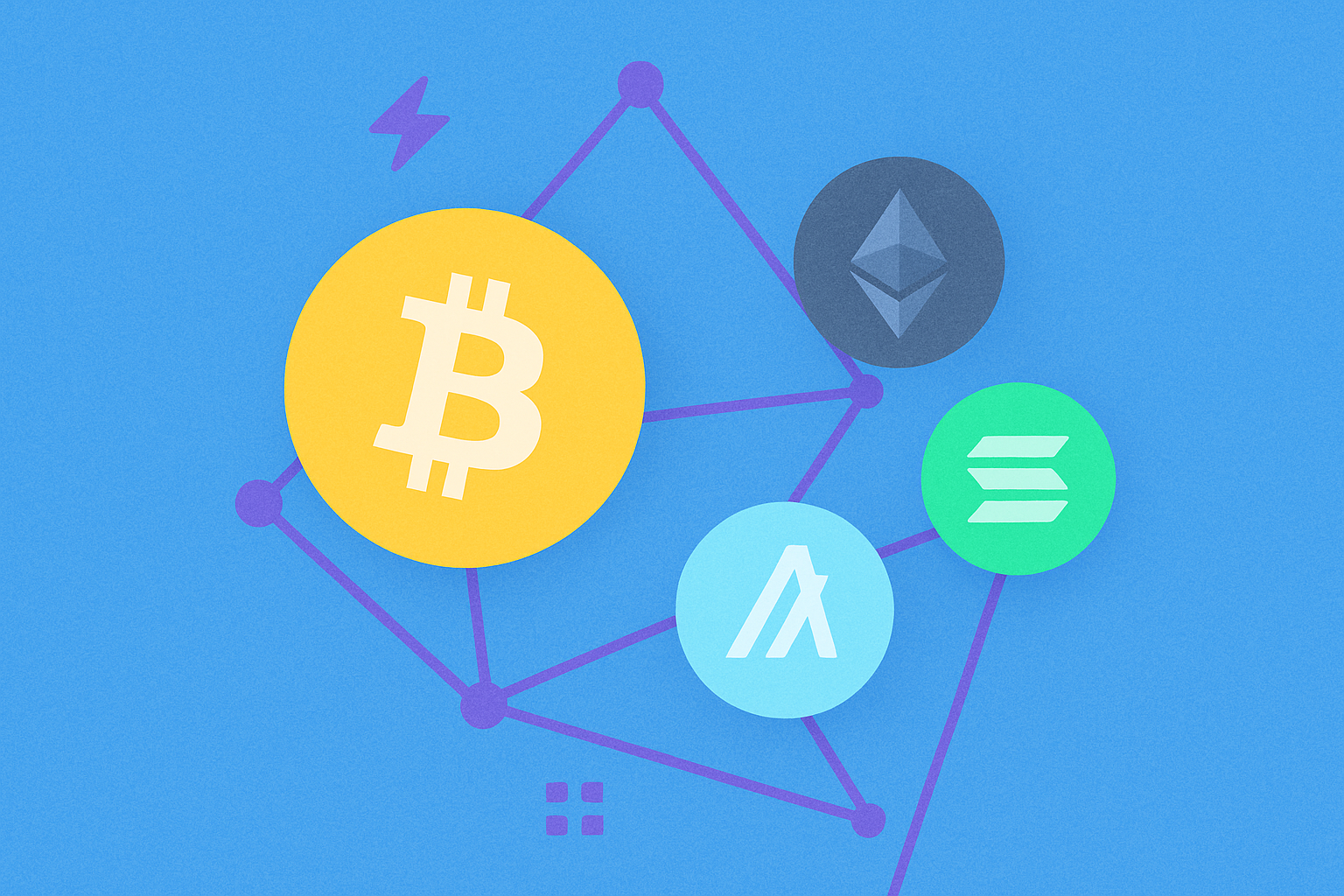
This comprehensive guide explores blockchain verification timeframes and their critical impact on transaction finality and user experience. The article examines how different consensus mechanisms—including Proof of Work, Proof of Stake, Delegated Proof of Stake, and Practical Byzantine Fault Tolerance—significantly influence verification speed across networks. Key factors analyzed include network congestion, block size, block time, and transaction fees. The guide compares verification times across major platforms: Bitcoin averages 10 minutes, Ethereum 12-14 seconds, while Solana and Algorand achieve near-instant finality through innovative architectures. Readers discover practical solutions including selecting appropriate platforms, leveraging Layer 2 solutions like Lightning Network and Rollups, and optimizing transaction fees. The article addresses distinct impacts on traders, developers, businesses, and individual users, emphasizing how verification speed determines practical blockchain applications. Essen
2026-01-13 09:09:37
How to Tell if Gold Is Real With a Lighter

How to Tell if Gold Is Real With a Lighter

This comprehensive guide explores authentic gold testing methods at home while addressing the intersection of traditional precious metals and blockchain-backed assets. Learn how to perform the lighter flame test safely—a quick preliminary screening technique for identifying counterfeit gold through heat reaction observation. Discover essential safety protocols, common misconceptions about fire testing, and why professional authentication remains crucial for high-value investments. The article bridges traditional gold verification with modern blockchain integration, highlighting how tokenized gold products have surged 15% in trading volume on platforms like Gate. Explore emerging hybrid verification systems combining physical testing with on-chain proof-of-reserves, smart contracts, and transparent asset auditing. Whether securing physical bars or gold-backed digital tokens, master both conventional and digital authentication methods to protect your investment portfolio effectively.
2026-01-13 09:05:53