Level 0 Blockchain Technologies: Fundamentals and Future Outlook


What Is Layer-0: Redefining Blockchains with Mainchains and Sidechains
Layer-0 is a groundbreaking blockchain protocol that underpins many leading cryptocurrencies and tokens. It transforms how blockchain ecosystems are architected, introducing new solutions for scalability and interoperability across disparate blockchain networks. Layer-0 is emerging as a vital driver in the advancement of today's crypto industry.
A Blockchain Refresher
A blockchain is a public digital ledger that records transactions, distributed and protected using cryptography. Its architecture features five key layers: hardware infrastructure, data, network, consensus, and application. Each layer performs distinct functions essential to blockchain operations—for example, one layer manages transaction data storage, while another secures consensus among network nodes before validating transactions. This layered structure ensures the security, transparency, and decentralization at the core of layer-0’s foundation.
Understanding the Different Blockchain Protocols
Blockchain protocols are organized into several layers, each with dedicated roles within the ecosystem. Layer-1 protocols like Bitcoin and Ethereum operate as independent networks, handling transaction processing, cryptographic security, and block creation. As demand grows, these major chains often suffer from congestion, resulting in slower transactions and higher fees.
Layer-2 solutions are built atop layer-1 chains to enhance scalability, easing the load on primary blockchains. Think of layer-1 as a packed highway and layer-2 as extra lanes that reduce congestion. By processing transactions off-chain, layer-2 eliminates bottlenecks and delivers a faster, smoother experience.
Layer-0 protocols establish the infrastructure on which entire layer-1 chains are built. They define the architecture and communication standards for different blockchains, enabling seamless interoperability and data exchange. By resolving compatibility issues and scalability constraints in layer-1 networks, layer-0 removes the rigidity of monolithic blockchain designs. Its modular approach lets communities create specialized blockchains tailored to their unique requirements.
How Does Layer-0 Work?
Layer-0 blockchain protocols utilize a sidechain architecture with three key components. The mainchain facilitates data transfer between various layer-1 chains built on layer-0. Sidechains function as application-specific layer-1 chains that connect to the mainchain. A cross-chain communication protocol sets standardized rules for data exchange across layer-1s.
Polkadot exemplifies how layer-0 works. Its relay chain serves as the mainchain, while parachains are specialized layer-1 sidechains operating on the relay chain. The Cross-Consensus Message Passing (XCMP) protocol ensures secure interoperability and communication between consensus systems within the layer-0 framework.
Benefits of a Layer-0 Blockchain Protocol
Layer-0 protocols deliver significant benefits for blockchain ecosystem growth. Scalability improves by distributing transactions across layers, boosting network efficiency and enabling high-volume processing without sacrificing security.
Customizability empowers developers to build specialized layer-1 chains for specific use cases, leveraging the interoperability that layer-0 provides. This can include layer-1 chains optimized for GameFi or tailored for decentralized applications (DApps).
Layer-0 modularity drives innovation, supporting rapid development and experimentation. For example, Venom blockchain uses dynamic sharding to adjust the number and size of shard chains according to current demand, all powered by layer-0 infrastructure.
Layer-0 vs Layer-1: How Different Are They?
At their core, layer-0 and layer-1 both seek to maximize the benefits of decentralized networks under the constraints of the blockchain trilemma. Both promote decentralization by distributing control across many nodes, maintain security with robust cryptography, and aim for scalability in transaction processing, data storage, and consensus. Both also operate transparently, allowing users to track transactions via blockchain explorers.
But the differences are substantial. Layer-0 is dedicated to foundational infrastructure for building blockchains, while layer-1 directly processes transactions and consensus. Their functions complement each other: layer-0’s interoperability enables network connectivity, and layer-1’s transaction processing delivers security and efficiency for individual chains.
Scalability approaches differ. Traditional layer-1 blockchains have struggled with monolithic architectures that create bottlenecks. Layer-0 enables seamless routing of transactions across multiple chains, elevating overall ecosystem throughput without the need for sharding or sidechains.
Flexibility stands out, too. Layer-0’s adaptable design allows diverse layer-1 blockchains with varying features and consensus mechanisms, unlike more rigid layer-1 chains. This adaptability supports innovation and a broader range of blockchain functionalities.
Examples of Popular Layer-0s
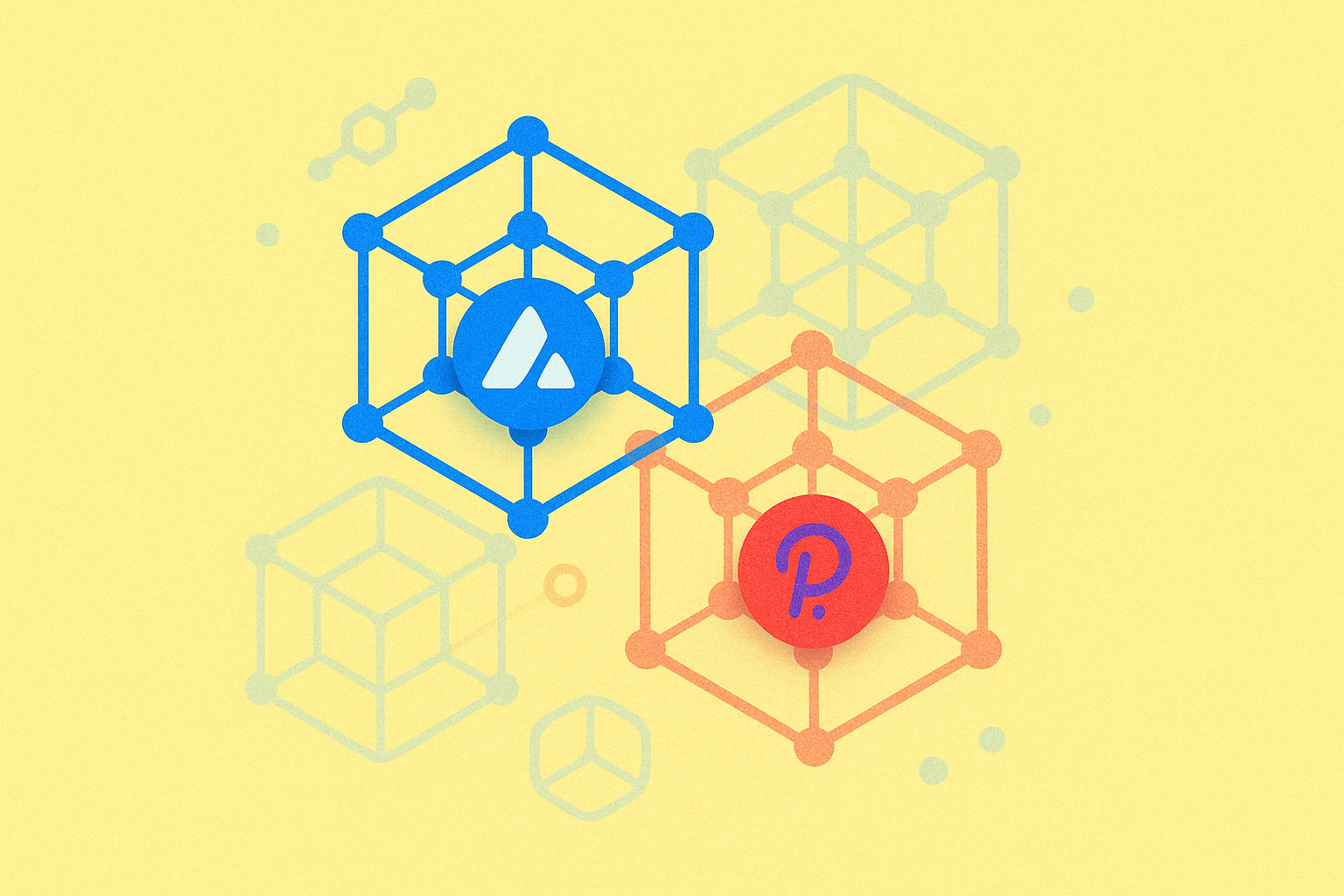
Several leading layer-0 protocols set the industry standard. Avalanche, powered by AVAX, supports multiple layer-1 chains via its P-chain, X-chain, and C-chain mainchains. Each serves a distinct purpose, optimizing performance for different user needs. With fast transactions, low fees, robust security, and developer-friendly tools, Avalanche is a top choice for launching GameFi projects on layer-0.
Cosmos, featuring ATOM, is often called the "Internet of Blockchains." Cosmos focuses on modularity and developer flexibility. Its technical documentation describes Cosmos Hub as the template for building blockchains in the Cosmos ecosystem. Layer-1 chains like BNB Chain and Cronos have emerged from Cosmos’ interconnected layer-0 network.
Polkadot, with DOT, is another layer-0 platform allowing blockchains to work together through its Relay Chain. By leveraging the Nominated Proof-of-Stake consensus on the relay chain, Polkadot delivers a secure, scalable foundation for building specialized blockchains tailored to specific applications.
Each layer-0 protocol has unique strengths: Avalanche excels in speed, security, and scalability for targeted use cases; Cosmos enables flexible blockchain development for diverse needs; Polkadot offers interoperability and specialized parachains for comprehensive solutions.
Conclusion
With the impressive achievements of protocols like Cosmos, Polkadot, and Avalanche, layer-0 represents a paradigm shift in how blockchains are conceptualized and built. By addressing scalability and interoperability limitations found in current layer-1 blockchains, layer-0 protocols provide the foundational infrastructure for modular sidechains and advanced communication standards.
This leads to a more dynamic, interconnected blockchain ecosystem, where customizable layer-1s built on layer-0 foundations serve specific needs and pave the way for the future of interoperable blockchains. Layer-0 unlocks new innovation opportunities, allowing developers to build tailored solutions optimized for distinct tasks while upholding blockchain’s core values of decentralization, security, and transparency. The evolution of layer-0 continues to shape the future of blockchain, creating a solid base for the next generation of decentralized apps and services.
FAQ
What Is Layer 0?
Layer 0 is the foundational network infrastructure beneath blockchains, including protocols, hardware, and connections. It solves scalability challenges without changing existing blockchain protocols, enabling blockchain application development.
What Is Layer Zero?
Layer Zero is an open protocol for secure cross-network communication, enabling seamless asset transfers and interactions between different blockchains. It uses a five-layer architecture to maintain security and flexibility.
What Are Layer 0, Layer 1, and Layer 2?
Layer 0 is the foundational infrastructure, Layer 1 is the main blockchain, and Layer 2 provides scalability solutions on top of Layer 1. Together, they form the blockchain ecosystem.
Where Is Layer Zero Located?
Layer Zero does not have a physical location. It is a decentralized protocol operating across the global blockchain network.

Exploring SEI Blockchain Enhancement: V2 Update Benefits and Features

Cross-chain interoperability in blockchain with Layer Zero

Exploring Interoperability in Blockchain Ecosystems

Innovations in the Blockchain Ecosystem: Exploring Berachain
Exploring Layer 0 Blockchain Technology: A Revolution Driven by Mainchains and Sidechains

The Crypto Meme Phenomenon: A Unique Trend in the Digital Investment World

What Happens When You Get Liquidated in Crypto
Can I Send Bitcoin from Venmo to Another Wallet?
How Long is the Cooldown for Security Contracts

Do I Have to Verify My Identity on Cash App?
Why is Cash App Asking Me to Verify My Identity?