Retrodrops: What They Are and How to Profit from Them


What Is a Retrodrop?
A retrodrop (retroactive airdrop) is the distribution of newly created tokens to users who previously interacted with a specific blockchain project. Unlike conventional airdrops, which are often conducted as marketing campaigns before a project's launch, retrodrops reward users retroactively for their past activity and engagement.
The fundamental concept behind retrodrops is to recognize the value of early adopters and incentivize their loyalty. This mechanism also serves as a fair distribution method for governance tokens when a project transitions to a decentralized governance model, ensuring that the community receives a meaningful share of the project's tokenomics.
How Do Retrodrops Work?
The retrodrop process typically unfolds through several key stages:
-
Data Collection — The project analyzes blockchain transaction history to identify users meeting specific criteria, such as those who conducted transactions before a certain date or interacted with particular smart contracts.
-
Criteria Definition — Developers establish token distribution rules that may include:
- Transaction volume and frequency
- Protocol usage patterns
- Duration of interaction with the project
- Total assets locked in the protocol
-
Blockchain Snapshot — A snapshot captures the blockchain's state at a specific moment, determining which addresses qualify for token distribution and in what quantities.
-
Token Distribution — Tokens are allocated to qualified addresses according to the predetermined criteria and distribution formulas.
Examples of Successful Retrodrops
Several landmark retrodrops have demonstrated the significant value these distributions can provide:
-
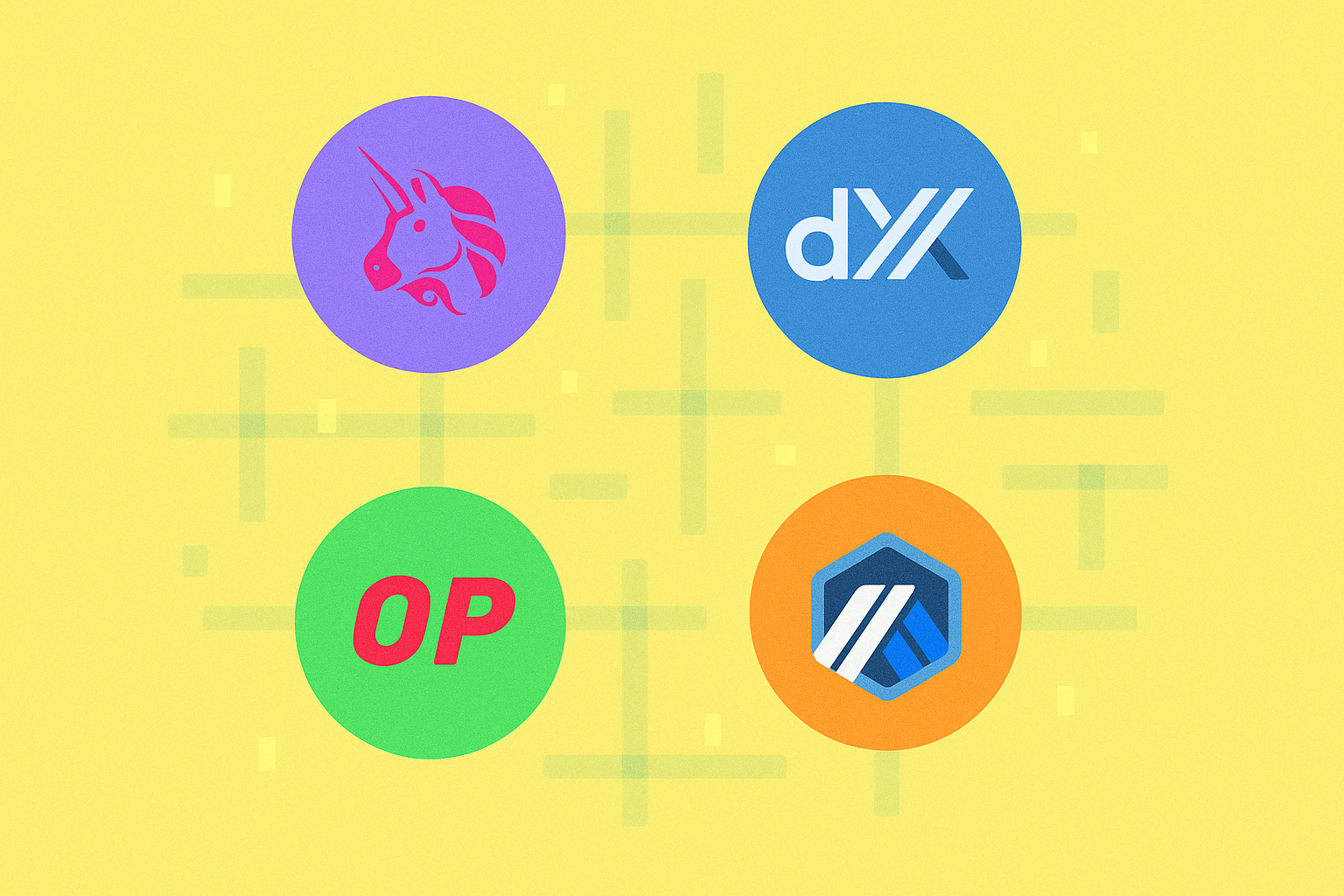
Uniswap (UNI) — In the early years of decentralized exchange development, Uniswap distributed 400 UNI tokens (valued at approximately $1,400 at distribution) to every address that had ever used the protocol before the snapshot date. This single retrodrop created substantial wealth for early users.
-
dYdX (DYDX) — The derivatives trading platform distributed tokens based on user trading activity, with the most active traders receiving substantial allocations, rewarding those who had contributed most to the platform's liquidity and growth.
-
Optimism (OP) — This Layer 2 solution for Ethereum conducted a retrodrop for users who actively utilized the network and contributed to its development, recognizing their role in the ecosystem's success.
-
Arbitrum (ARB) — Another Layer 2 scaling solution that rewarded early users and developers with significant token allocations, establishing a strong community foundation for governance.
How to Obtain Retrodrops?
To maximize your chances of receiving retrodrops, consider implementing these strategic recommendations:
1. Actively Engage with Promising Projects
The primary criterion for retrodrop eligibility is active participation on the platform. The more consistently you interact with a project's protocol, the higher your probability of receiving tokens when a retrodrop occurs. Genuine usage demonstrates your value as a community member.
2. Diversify Your Protocol Interactions
Utilize multiple features within protocols rather than limiting yourself to a single function. In DeFi projects, this diversification might include:
- Providing liquidity to trading pools
- Participating in staking mechanisms
- Engaging in borrowing and lending activities
- Voting in decentralized autonomous organization (DAO) governance
3. Monitor Projects Without Native Tokens
Successful projects that have not yet released their own token represent prime candidates for future retrodrops. These projects often prioritize product development initially, then introduce a governance token to transition toward decentralized management. Identifying and using such projects early can position you advantageously.
4. Stay Informed About Ecosystem Developments
Many projects provide subtle hints about potential retrodrops well before formal announcements. Monitor developer communications on Twitter, Discord, and other social platforms to stay ahead of official retrodrop announcements and understand project roadmaps.
5. Maintain Authentic User Behavior
Projects increasingly implement anti-farming mechanisms to prevent artificial activity designed solely to qualify for retrodrops. Engage as a genuine user would, conducting meaningful transactions rather than executing hollow transactions purely in hopes of token rewards. Authentic participation aligns with project values and community health.
How to Maximize Profits from Retrodrops?
1. Long-Term Token Holding
Tokens obtained through retrodrops frequently demonstrate substantial growth potential. Many users who retained their tokens rather than immediately selling them realized significantly greater profits as project valuations increased over time. Strategic patience often yields superior returns.
2. Stake Your Received Tokens
Many projects offer additional rewards for staking the tokens you receive through retrodrops, providing a mechanism to increase your overall returns. This passive income stream compounds your initial retrodrop benefits and aligns your interests with the project's long-term success.
3. Participate in Governance
Governance tokens grant voting rights in decisions affecting the project's future direction. Active participation in DAO governance not only generates potential additional rewards but also enables you to influence protocol development in directions beneficial to your interests and the broader community.
Risks and Considerations
Pursuing retrodrop opportunities involves several important risks to consider:
- Transaction Costs — Blockchain activity, particularly on networks with high demand, can incur substantial gas fees that may offset retrodrop gains, especially for smaller transactions.
- Uncertainty — No guarantee exists that a project will conduct a retrodrop or that your activity will meet the qualification criteria when distribution occurs.
- Security Risks — Interacting with new and unaudited protocols exposes your assets to potential vulnerabilities, smart contract risks, and exploitation by malicious actors.
- Tax Implications — Many jurisdictions classify retrodrop token receipts as taxable income, creating potential tax liabilities that must be carefully tracked and reported.
Implement proper risk management strategies to protect your capital and ensure compliance with local regulations.
Conclusion
Retrodrops represent a unique wealth-creation opportunity within the cryptocurrency industry, rewarding users for their contributions to ecosystem development and early adoption. While no guaranteed method exists to secure retrodrop eligibility, consistent and authentic participation in promising projects significantly improves your chances of benefiting from these distributions.
Remember that the most sustainable strategy involves genuine use of projects in which you believe, rather than pursuing retrodrops as an end goal in themselves. This approach not only increases your retrodrop prospects but also contributes to healthy ecosystem development and aligns your activities with the values of the cryptocurrency community. By combining strategic project selection with authentic engagement, you position yourself to benefit from both the direct value of retrodrops and the long-term appreciation of quality projects.
FAQ
What is a Retrodrop and how does it differ from regular airdrops?
A Retrodrop is an airdrop targeting early contributors and platform supporters, rewarding those who already made significant contributions. Unlike regular airdrops aimed at attracting new users, Retrodrops recognize and incentivize existing community members for their past participation and loyalty.
How to identify and participate in legitimate Retrodrop projects?
Analyze protocol transaction history, token holders, and governance participation. Verify project legitimacy through official channels and community reputation. Ensure protocol transparency before participating in any Retrodrop opportunity.
What conditions or requirements need to be met to participate in a Retrodrop?
To participate in a Retrodrop, you typically need to engage actively with the project's activities early on. This may include using specific dApps, participating in governance votes, or providing liquidity to pools. Active participation is key, as retrodrops are usually distributed based on user engagement levels.
How to maximize profits in Retrodrop? What are the profit strategies?
Maximize Retrodrop profits by holding tokens long-term and avoiding unnecessary transactions. Select promising projects, monitor market trends consistently, and participate naturally to comply with platform rules and avoid restrictions.
What risks and pitfalls should be noted with Retrodrops?
Key risks include smart contract vulnerabilities, token price volatility, liquidity issues, and eligibility verification fraud. Additionally, watch for scams impersonating legitimate projects, delayed distribution timing, and unexpected tax implications on retroactive token claims.
What are some successful Retrodrop cases in history and their returns?
Notable successful retrodrops include Uniswap (UNI) and Ethereum Name Service (ENS). Uniswap rewarded early users with UNI tokens, generating substantial returns after listing. ENS airdropped tokens to historical users, with early participants seeing significant gains. These retrodrops typically rewarded active protocol users from months or years prior.
When are Retrodrop tokens typically unlocked and tradable?
Retrodrop tokens are usually unlocked and become tradable after the project's official launch. The specific unlock and trading timeline is determined by the project team and announced in advance. Exact dates vary by project.
How to assess the true value and credibility of a Retrodrop project?
Verify the project's documented storage and background, check ongoing airdrop activity, and assess Testnet participation levels. Look for endorsements from reputable industry sources and community feedback.
Retrodrops: Definition and Strategies for Earning
Retrodrops: What They Are and How to Earn from Them

Understanding the Token Generation Process in Cryptocurrency
Effortless Crypto Wallet Integration with WalletConnect

Mastering Decentralized Trading: A Comprehensive Guide to Using Uniswap

Comprehensive Guide to Crypto Airdrops: Unlocking Your Digital Rewards
What Is Crypto On-Chain Data Analysis and How Does It Predict Price Movements

How to Use MACD, RSI, and Bollinger Bands for Crypto Trading Success

What is on-chain data analysis and how does it predict crypto price movements

What is the fundamental analysis of a cryptocurrency project: whitepaper logic, use cases, and team background explained
What is crypto holdings and capital flow: How to understand exchange inflows, staking rates and institutional positions?