Retrodrops: Definition and Strategies for Earning
What Is a Retrodrop?
A retrodrop (retroactive airdrop) is the distribution of newly created tokens to users who have previously interacted with a specific blockchain project. Unlike conventional airdrops, which typically serve as marketing campaigns before a project launches, retrodrops reward users for their prior engagement and activity.
The core principle of retrodrops is to recognize and incentivize early adopters. This approach also offers a fair mechanism for allocating governance tokens to the community when a project transitions to a decentralized governance model.
How Do Retrodrops Work?
Retrodrops typically follow these steps:
-
Data Collection — The project reviews blockchain transaction history and identifies users who meet defined criteria, such as conducting transactions before a set date or interacting with designated smart contracts.
-
Criteria Definition — Developers establish the distribution rules, which may include:
- Transaction volume
- Protocol usage frequency
- Duration of project interaction
- Funds held within the protocol
-
Blockchain Snapshot — The project takes a snapshot of the blockchain state at a specific time to determine eligible addresses and their token allocations.
-
Token Distribution — Qualified addresses receive tokens based on the defined criteria.
Examples of Successful Retrodrops
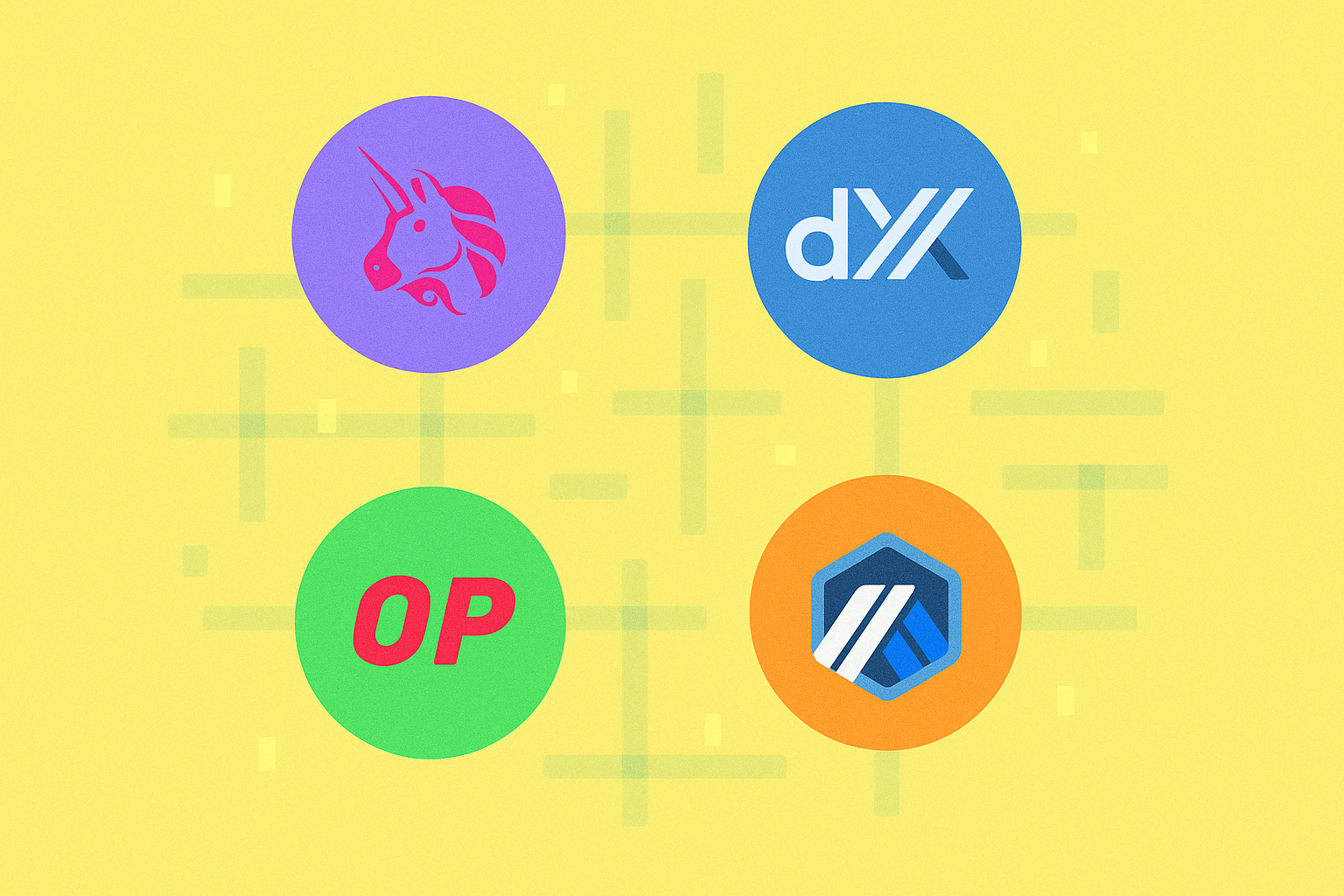
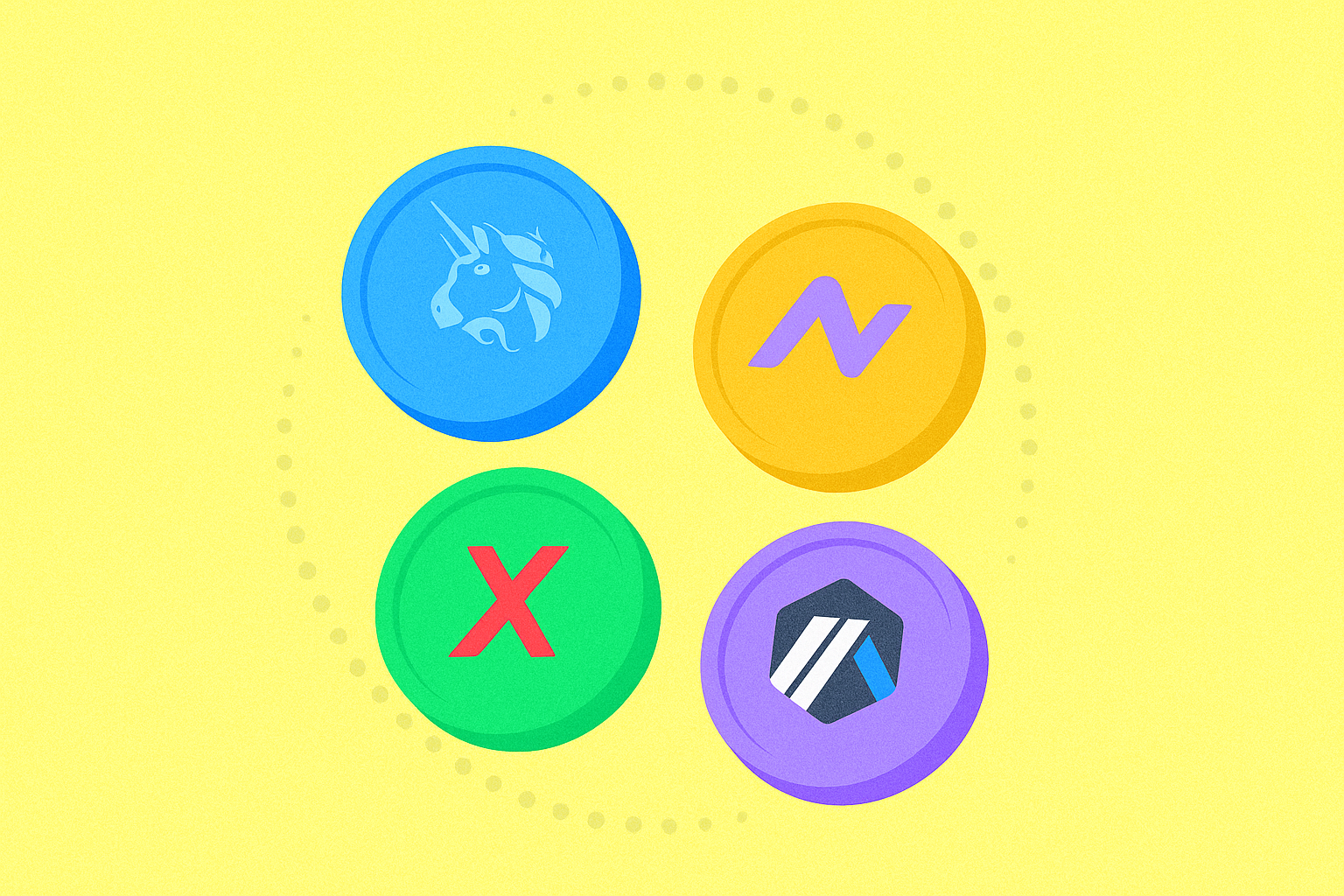
Prominent examples of successful retrodrops include:
-
Uniswap (UNI) — In 2020, the decentralized exchange Uniswap distributed 400 UNI tokens (worth about $1,400 at the time) to every wallet that had ever used the protocol prior to a specified date.
-
dYdX (DYDX) — This derivatives trading platform rewarded users based on trading volume, with the most active traders receiving the largest allocations.
-
Optimism (OP) — The Ethereum Layer 2 solution conducted a retrodrop for users who actively used the network and contributed to its development.
-
Arbitrum (ARB) — Another Layer 2 scaling solution that distributed substantial token rewards to early users and developers.
How to Obtain Retrodrops
Consider these strategies to improve your chances of receiving retrodrops:
Actively Engage with Promising Projects
Platform activity is the primary factor for retrodrop eligibility. The more you interact with a project, the greater your chances of qualifying for token rewards.
Diversify Your Activity
Use a variety of protocol features. In DeFi projects, this can involve:
- Providing liquidity
- Staking
- Borrowing and lending
- Voting in decentralized autonomous organizations (DAOs)
Focus on Projects Without Native Tokens
Projects that have not launched their own token, yet demonstrate strong growth, are prime retrodrop candidates. Such teams often focus on product development first, then later issue tokens for decentralized governance.
Monitor Ecosystem News
Projects often hint at upcoming retrodrops through social channels before official announcements. Monitor developer updates on Twitter, Discord, and other platforms.
Behave as an Organic User
Projects are increasingly implementing anti-retrodrop farming measures. Use protocols authentically, rather than conducting meaningless transactions solely to qualify for rewards.
How to Maximize Profits from Retrodrops
Long-Term Token Retention
Retrodropped tokens often have significant upside. Many users who held their rewards, instead of selling immediately, realized much greater gains.
Staking Received Tokens
Many protocols offer extra incentives for staking retrodropped tokens, further enhancing your returns.
Participation in Governance
Governance tokens provide voting power in project decisions. Active participation in DAOs can yield additional rewards and let you help shape protocol development in a way that aligns with your interests.
Risks and Warnings
Pursuing retrodrops involves certain risks:
- Gas Fees — Blockchain activity can be expensive due to high transaction fees.
- Uncertainty — There’s no guarantee any project will conduct a retrodrop, or that you’ll meet the requirements.
- Security — Using unverified or new protocols may put your assets at risk.
- Tax Obligations — In some jurisdictions, retrodropped tokens may be taxable.
Always prioritize robust risk management as part of your investment approach.
Conclusion
Retrodrops offer a unique earning opportunity in the cryptocurrency space, rewarding users who contribute to ecosystem growth. While there’s no guaranteed path to retrodrop eligibility, authentic and sustained participation in promising projects greatly improves your odds.
The best approach is to use projects you trust for their utility, not just for potential rewards. This strategy increases your chances of benefiting from retrodrops and supports the healthy evolution of the broader crypto ecosystem.
FAQ
What are retrodrops?
Retrodrops are airdrop events where blockchain projects distribute tokens to early users or community members. Distribution is based on factors such as historical transaction volume, holding time, or engagement, rewarding early supporters with governance power or value accrual.
How to make money from airdrops?
Airdrops distribute free tokens to eligible holders. You can earn by holding qualifying assets during snapshot periods, completing social tasks, or joining governance. Profit by selling tokens after they list, or hold for potential appreciation as adoption rises.
Can you make $100 a day with crypto?
Yes, it’s possible to earn $100 per day through trading, staking, mining, or participating in airdrop events. Success depends on choosing effective strategies, building sufficient capital, and continually developing your market expertise. Returns ultimately reflect your investment, execution, and market dynamics.
What is the difference between airdrop and Retrodrop?
An airdrop targets new users or community members, while a retrodrop rewards historical users for previous engagement and transaction history. Retrodrops recognize and incentivize loyal contributors; airdrops focus on attracting new participants.

Retrodrops: What They Are and How to Profit from Them
Retrodrops: What They Are and How to Earn from Them

Understanding the Token Generation Process in Cryptocurrency

Effortless Crypto Wallet Integration with WalletConnect

Mastering Decentralized Trading: A Comprehensive Guide to Using Uniswap

Comprehensive Guide to Crypto Airdrops: Unlocking Your Digital Rewards
What Do Crypto Derivatives Signals Tell Us About Market Direction: Analyzing Futures Open Interest, Funding Rates, and Liquidation Data
What Crypto Communities Have the Most Active Developers and Highest Ecosystem Growth in 2026
What is the core fundamentals of a cryptocurrency project and how to analyze whitepaper, use cases, and team background
What is crypto holder concentration and how do exchange inflows affect market value
What is the difference between major cryptocurrencies: market cap, performance, and user adoption compared