
fomox
MarketsPerpsSpotSwap
Meme
Referral
More
Search Token/Wallet
/

Retrodrops: What They Are and How to Profit from Them


2026-01-02 00:03:13
Airdrop
Crypto Tutorial
DAO
DeFi
Web 3.0
Article Rating : 3.5
half-star
198 ratings
# Ultimate Guide to Profiting from Retroactive Crypto Airdrops Retrodrops reward early adopters and active protocol participants with newly created tokens based on historical blockchain activity. This comprehensive guide reveals how retrodrops work, from data collection and blockchain snapshots to token distribution, helping you identify and capitalize on wealth-creation opportunities. Learn proven strategies to maximize retrodrop profits through authentic protocol engagement, long-term token holding, and strategic governance participation. Discover successful case studies like Uniswap and Arbitrum, understand critical risks including gas fees and tax implications, and implement risk management techniques. Whether you're monitoring projects on Gate or evaluating emerging opportunities, this guide equips you with actionable insights to position yourself for optimal retrodrop eligibility while building genuine value within the crypto ecosystem.
Retrodrops: What They Are and How to Profit from Them

What Is a Retrodrop?

A retrodrop (retroactive airdrop) is the distribution of newly created tokens to users who previously interacted with a specific blockchain project. Unlike conventional airdrops, which are often conducted as marketing campaigns before a project's launch, retrodrops reward users retroactively for their past activity and engagement.

The fundamental concept behind retrodrops is to recognize the value of early adopters and incentivize their loyalty. This mechanism also serves as a fair distribution method for governance tokens when a project transitions to a decentralized governance model, ensuring that the community receives a meaningful share of the project's tokenomics.

How Do Retrodrops Work?

The retrodrop process typically unfolds through several key stages:

  1. Data Collection — The project analyzes blockchain transaction history to identify users meeting specific criteria, such as those who conducted transactions before a certain date or interacted with particular smart contracts.

  2. Criteria Definition — Developers establish token distribution rules that may include:

    • Transaction volume and frequency
    • Protocol usage patterns
    • Duration of interaction with the project
    • Total assets locked in the protocol
  3. Blockchain Snapshot — A snapshot captures the blockchain's state at a specific moment, determining which addresses qualify for token distribution and in what quantities.

  4. Token Distribution — Tokens are allocated to qualified addresses according to the predetermined criteria and distribution formulas.

Examples of Successful Retrodrops

Several landmark retrodrops have demonstrated the significant value these distributions can provide:

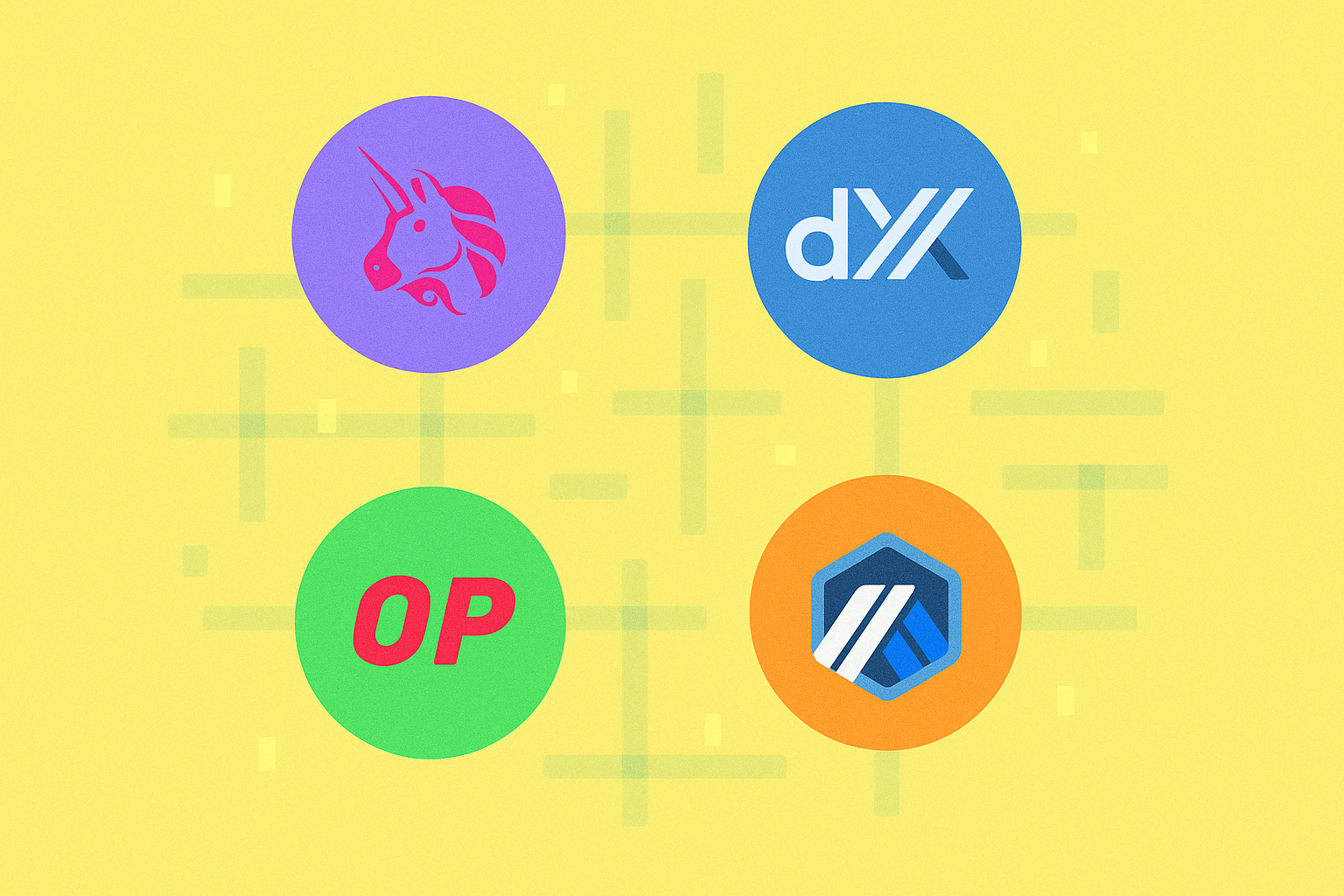
  • Uniswap (UNI) — In the early years of decentralized exchange development, Uniswap distributed 400 UNI tokens (valued at approximately $1,400 at distribution) to every address that had ever used the protocol before the snapshot date. This single retrodrop created substantial wealth for early users.

  • dYdX (DYDX) — The derivatives trading platform distributed tokens based on user trading activity, with the most active traders receiving substantial allocations, rewarding those who had contributed most to the platform's liquidity and growth.

  • Optimism (OP) — This Layer 2 solution for Ethereum conducted a retrodrop for users who actively utilized the network and contributed to its development, recognizing their role in the ecosystem's success.

  • Arbitrum (ARB) — Another Layer 2 scaling solution that rewarded early users and developers with significant token allocations, establishing a strong community foundation for governance.

How to Obtain Retrodrops?

To maximize your chances of receiving retrodrops, consider implementing these strategic recommendations:

1. Actively Engage with Promising Projects

The primary criterion for retrodrop eligibility is active participation on the platform. The more consistently you interact with a project's protocol, the higher your probability of receiving tokens when a retrodrop occurs. Genuine usage demonstrates your value as a community member.

2. Diversify Your Protocol Interactions

Utilize multiple features within protocols rather than limiting yourself to a single function. In DeFi projects, this diversification might include:

  • Providing liquidity to trading pools
  • Participating in staking mechanisms
  • Engaging in borrowing and lending activities
  • Voting in decentralized autonomous organization (DAO) governance

3. Monitor Projects Without Native Tokens

Successful projects that have not yet released their own token represent prime candidates for future retrodrops. These projects often prioritize product development initially, then introduce a governance token to transition toward decentralized management. Identifying and using such projects early can position you advantageously.

4. Stay Informed About Ecosystem Developments

Many projects provide subtle hints about potential retrodrops well before formal announcements. Monitor developer communications on Twitter, Discord, and other social platforms to stay ahead of official retrodrop announcements and understand project roadmaps.

5. Maintain Authentic User Behavior

Projects increasingly implement anti-farming mechanisms to prevent artificial activity designed solely to qualify for retrodrops. Engage as a genuine user would, conducting meaningful transactions rather than executing hollow transactions purely in hopes of token rewards. Authentic participation aligns with project values and community health.

How to Maximize Profits from Retrodrops?

1. Long-Term Token Holding

Tokens obtained through retrodrops frequently demonstrate substantial growth potential. Many users who retained their tokens rather than immediately selling them realized significantly greater profits as project valuations increased over time. Strategic patience often yields superior returns.

2. Stake Your Received Tokens

Many projects offer additional rewards for staking the tokens you receive through retrodrops, providing a mechanism to increase your overall returns. This passive income stream compounds your initial retrodrop benefits and aligns your interests with the project's long-term success.

3. Participate in Governance

Governance tokens grant voting rights in decisions affecting the project's future direction. Active participation in DAO governance not only generates potential additional rewards but also enables you to influence protocol development in directions beneficial to your interests and the broader community.

Risks and Considerations

Pursuing retrodrop opportunities involves several important risks to consider:

  • Transaction Costs — Blockchain activity, particularly on networks with high demand, can incur substantial gas fees that may offset retrodrop gains, especially for smaller transactions.
  • Uncertainty — No guarantee exists that a project will conduct a retrodrop or that your activity will meet the qualification criteria when distribution occurs.
  • Security Risks — Interacting with new and unaudited protocols exposes your assets to potential vulnerabilities, smart contract risks, and exploitation by malicious actors.
  • Tax Implications — Many jurisdictions classify retrodrop token receipts as taxable income, creating potential tax liabilities that must be carefully tracked and reported.

Implement proper risk management strategies to protect your capital and ensure compliance with local regulations.

Conclusion

Retrodrops represent a unique wealth-creation opportunity within the cryptocurrency industry, rewarding users for their contributions to ecosystem development and early adoption. While no guaranteed method exists to secure retrodrop eligibility, consistent and authentic participation in promising projects significantly improves your chances of benefiting from these distributions.

Remember that the most sustainable strategy involves genuine use of projects in which you believe, rather than pursuing retrodrops as an end goal in themselves. This approach not only increases your retrodrop prospects but also contributes to healthy ecosystem development and aligns your activities with the values of the cryptocurrency community. By combining strategic project selection with authentic engagement, you position yourself to benefit from both the direct value of retrodrops and the long-term appreciation of quality projects.

FAQ

What is a Retrodrop and how does it differ from regular airdrops?

A Retrodrop is an airdrop targeting early contributors and platform supporters, rewarding those who already made significant contributions. Unlike regular airdrops aimed at attracting new users, Retrodrops recognize and incentivize existing community members for their past participation and loyalty.

How to identify and participate in legitimate Retrodrop projects?

Analyze protocol transaction history, token holders, and governance participation. Verify project legitimacy through official channels and community reputation. Ensure protocol transparency before participating in any Retrodrop opportunity.

What conditions or requirements need to be met to participate in a Retrodrop?

To participate in a Retrodrop, you typically need to engage actively with the project's activities early on. This may include using specific dApps, participating in governance votes, or providing liquidity to pools. Active participation is key, as retrodrops are usually distributed based on user engagement levels.

How to maximize profits in Retrodrop? What are the profit strategies?

Maximize Retrodrop profits by holding tokens long-term and avoiding unnecessary transactions. Select promising projects, monitor market trends consistently, and participate naturally to comply with platform rules and avoid restrictions.

What risks and pitfalls should be noted with Retrodrops?

Key risks include smart contract vulnerabilities, token price volatility, liquidity issues, and eligibility verification fraud. Additionally, watch for scams impersonating legitimate projects, delayed distribution timing, and unexpected tax implications on retroactive token claims.

What are some successful Retrodrop cases in history and their returns?

Notable successful retrodrops include Uniswap (UNI) and Ethereum Name Service (ENS). Uniswap rewarded early users with UNI tokens, generating substantial returns after listing. ENS airdropped tokens to historical users, with early participants seeing significant gains. These retrodrops typically rewarded active protocol users from months or years prior.

When are Retrodrop tokens typically unlocked and tradable?

Retrodrop tokens are usually unlocked and become tradable after the project's official launch. The specific unlock and trading timeline is determined by the project team and announced in advance. Exact dates vary by project.

How to assess the true value and credibility of a Retrodrop project?

Verify the project's documented storage and background, check ongoing airdrop activity, and assess Testnet participation levels. Look for endorsements from reputable industry sources and community feedback.
* The information is not intended to be and does not constitute financial advice or any other recommendation of any sort offered or endorsed by Gate.

Share

Content

What Is a Retrodrop?

How Do Retrodrops Work?

Examples of Successful Retrodrops

How to Obtain Retrodrops?

How to Maximize Profits from Retrodrops?

Risks and Considerations

Conclusion

FAQ

Related Articles
Retrodrops: Definition and Strategies for Earning

Retrodrops: Definition and Strategies for Earning

Discover how to profit from retrodrops in cryptocurrency. Get actionable strategies for participating in retrodrops, explore the leading projects on Gate, and learn methods to earn free tokens. Find expert advice tailored for both blockchain newcomers and seasoned traders.
2025-12-29 12:09:06
Retrodrops: What They Are and How to Earn from Them

Retrodrops: What They Are and How to Earn from Them

This comprehensive guide explores retrodrops, a mechanism that distributes tokens to users based on their historical blockchain activity and genuine engagement with projects. The article explains how retrodrops work through data collection, distribution criteria establishment, and blockchain snapshots, using successful case studies like Uniswap, dYdX, Optimism, and Arbitrum on Gate to illustrate real-world returns. Learn proven strategies for participating authentically in promising protocols, maximizing profits through long-term holding and staking, and navigating associated risks including gas fees, security vulnerabilities, and tax obligations. Whether you're an early adopter seeking to capitalize on emerging opportunities or an investor exploring alternative earning methods, this guide provides actionable insights for succeeding in the retrodrop ecosystem.
2026-01-09 18:41:41
Understanding the Token Generation Process in Cryptocurrency

Understanding the Token Generation Process in Cryptocurrency

Examine the token generation process in cryptocurrency, highlighting the fundamental differences between TGE and ICO, the phases involved, and potential risks. Discover how TGE influences the growth of blockchain projects and why this event holds significance for both investors and developers.
2025-11-03 08:01:26
Effortless Crypto Wallet Integration with WalletConnect

Effortless Crypto Wallet Integration with WalletConnect

The article delves into WalletConnect, a secure protocol for connecting crypto wallets to dApps seamlessly. It explores its functionality and native token, WalletConnect Token (WCT), highlighting secure interactions without compromising private keys. It guides users in WalletConnect activities and discusses the token's airdrop eligibility criteria. Furthermore, advanced features like multi-chain support are reviewed. The article targets blockchain enthusiasts seeking safe, efficient wallet-dApp integration, fostering understanding of WalletConnect's role in the decentralized ecosystem. Key topics include security, protocol operation, and participation methods.
2025-11-15 06:03:27
Mastering Decentralized Trading: A Comprehensive Guide to Using Uniswap

Mastering Decentralized Trading: A Comprehensive Guide to Using Uniswap

Explore the transformative world of decentralized trading with Uni-swap, an innovative platform that integrates automated liquidity for token exchanges. This guide demystifies Uni-swap's operations, highlighting its decentralized architecture and trading mechanisms, while addressing common hurdles like fee structures and technical challenges. Dive into liquidity mining and governance aspects, ensuring informed decisions as both a trader and liquidity provider. Perfect for crypto enthusiasts and investors seeking transparent, non-custodial exchanges, this comprehensive resource enhances your understanding and participation in the decentralized finance ecosystem.
2025-12-20 04:43:58
Comprehensive Guide to Crypto Airdrops: Unlocking Your Digital Rewards

Comprehensive Guide to Crypto Airdrops: Unlocking Your Digital Rewards

This comprehensive guide delves into the world of crypto airdrops, offering a step-by-step approach to unlocking free digital rewards. It covers what airdrops are, their marketing potential, and the top types, including standard, bounty, holder, exclusive, and raffle airdrops. The article addresses preparing for airdrops, eligibility requirements, and common challenges such as scams and gas fees. Aimed at crypto enthusiasts looking to expand their portfolios, it provides actionable insights and ensures readers stay informed about this popular token distribution method in the dynamic crypto landscape.
2025-11-05 04:50:33
Recommended for You
What is cryptocurrency regulatory compliance and how does SEC oversight affect crypto markets in 2026?

What is cryptocurrency regulatory compliance and how does SEC oversight affect crypto markets in 2026?

This comprehensive guide examines how SEC regulatory compliance reshapes cryptocurrency markets in 2026. It covers the SEC's refined classification framework determining which digital assets qualify as securities, enforcement priorities targeting unregistered platforms and market manipulation, and heightened audit transparency requirements for exchanges. The article addresses critical KYC/AML implementation gaps affecting institutional adoption and explores the direct correlation between enforcement actions and market volatility. Key compliance standards now mandate real-time reporting, independent audits, and enhanced custody safeguards. By establishing standardized compliance frameworks across platforms like Gate, these regulations create institutional confidence while reducing market uncertainty, fundamentally transforming how crypto market operators structure their businesses and enabling broader participation in the digital assets sector.
2026-01-12 05:50:16
What is on-chain data analysis and how does it predict crypto market movements
What is on-chain data analysis and how does it predict crypto market movements

On-chain data analysis examines blockchain transactions and wallet activities to predict cryptocurrency market movements with precision. This article explores how key metrics—including active addresses, transaction volume, whale movements, and network fees—serve as leading indicators of price volatility. Readers discover how to identify accumulation phases through address activity divergences, interpret whale behavior patterns that precede price shifts, and correlate transaction trends with market cycles. By analyzing large holder distribution and exchange flows on platforms like Gate, traders gain data-driven insights into institutional intentions. The guide combines practical analysis methods with FAQ insights, demonstrating how on-chain metrics complement technical analysis to enhance market prediction accuracy and timing strategies.
2026-01-12 05:48:38
What Is the Current Crypto Market Overview: Market Cap Rankings, Trading Volume, and Liquidity Guide 2026
What Is the Current Crypto Market Overview: Market Cap Rankings, Trading Volume, and Liquidity Guide 2026

This comprehensive guide provides an in-depth overview of the 2026 cryptocurrency market landscape, analyzing market cap rankings, token valuation trends, and liquidity dynamics. The article explores how the top 10 cryptocurrencies maintain market dominance, examines the critical distinction between circulating and total supply affecting price potential, and analyzes 24-hour and 7-day trading volume patterns on major platforms like Gate. Readers will understand exchange coverage impact on liquidity distribution, learn to assess token economics accurately, and discover how trading volume correlates with execution quality. Designed for traders and investors seeking actionable market insights, this guide equips stakeholders with essential metrics for evaluating cryptocurrency projects, identifying trading opportunities, and managing risk exposure in the evolving digital asset market.
2026-01-12 05:46:49
What Do Crypto Derivatives Signals Tell Us About Market Direction: Analyzing Futures Open Interest, Funding Rates, and Liquidation Data

What Do Crypto Derivatives Signals Tell Us About Market Direction: Analyzing Futures Open Interest, Funding Rates, and Liquidation Data

This comprehensive guide analyzes crypto derivatives signals to predict market direction through three critical indicators. Futures open interest and funding rates reveal trader sentiment and positioning strength, with rising open interest alongside price gains signaling bullish conviction, while extreme funding rates warn of overleveraged conditions. Long-short ratios and options open interest distinguish retail versus institutional positioning, helping traders gauge genuine market conviction versus fragile rallies. Liquidation cascades demonstrate how leverage concentration creates volatility spikes and potential reversals at specific price levels. By combining these derivatives signals—monitoring open interest trends, funding rate extremes, and liquidation data on platforms like Gate—traders gain early warning systems for market reversals while understanding the mechanical forces driving cryptocurrency price movements and volatility in leveraged markets.
2026-01-12 05:45:00
What Crypto Communities Have the Most Active Developers and Highest Ecosystem Growth in 2026
What Crypto Communities Have the Most Active Developers and Highest Ecosystem Growth in 2026

This comprehensive guide identifies the most active crypto communities and fastest-growing ecosystems in 2026 by analyzing four critical growth indicators. Evaluate developer activity through GitHub contributions and open-source participation, revealing which projects maintain genuine technical momentum. Assess social media engagement on Twitter and Telegram to gauge community strength and thought leadership. Measure DApp ecosystem expansion via active users and transaction volume as indicators of platform sustainability. Understand how community-driven growth directly correlates with developer retention and long-term ecosystem viability. Whether you're a developer, investor, or community member seeking high-potential blockchain ecosystems, this article provides actionable metrics to identify projects with authentic growth trajectories. Leading ecosystems like Ethereum, Solana, Polygon, and emerging Layer 2 solutions demonstrate the strongest developer adoption and ecosystem momentum in 2026.
2026-01-12 05:43:09
What is the core fundamentals of a cryptocurrency project and how to analyze whitepaper, use cases, and team background

What is the core fundamentals of a cryptocurrency project and how to analyze whitepaper, use cases, and team background

This comprehensive guide equips investors with essential frameworks for evaluating cryptocurrency projects across multiple dimensions. Learn how to dissect whitepapers by analyzing problem-solving approaches and tokenomics design, assess real-world utility through use case evaluation and market adoption metrics including exchange listings and trading volumes, and evaluate technological differentiation against competitors while tracking milestone execution. Discover how to verify team credentials by examining founder experience and previous successful projects, identify critical red flags indicating potential failures, and distinguish fundamental value from speculative market sentiment. Whether you trade on Gate or evaluate emerging tokens, this analysis framework combines technical assessment with practical metrics to support informed investment decisions in the dynamic cryptocurrency ecosystem.
2026-01-12 05:40:47