Retrodrops: What They Are and How to Earn from Them

What Is a Retrodrop?
A retrodrop (retroactive airdrop or simply retrodrop) is a distribution of new tokens among users who previously interacted with a specific blockchain project. Unlike regular airdrops, which are often conducted as marketing campaigns before a project launch, retrodrops reward users retroactively for their past activity and engagement with the platform.
The main idea behind retrodrops is to recognize the value of early users and reward their loyalty to the project. This mechanism serves as a fair way to distribute governance tokens among the community when a project transitions to a decentralized governance model. Retrodrops have become increasingly popular in the decentralized finance (DeFi) ecosystem, where projects aim to build strong communities and reward those who contributed to their growth during the early stages.
Retrodrops differ from traditional airdrops in several key aspects. While regular airdrops often require users to complete specific tasks or sign up for promotional campaigns, retrodrops analyze historical on-chain data to identify genuine users who organically engaged with the protocol. This approach helps filter out airdrop hunters and ensures that tokens are distributed to users who actually believed in and used the project.
How Do Retrodrops Work?
The process of conducting a retrodrop typically includes several carefully planned stages that ensure fair distribution of tokens among eligible participants:
Data Collection and Analysis
The project analyzes transaction history on the blockchain and identifies users who meet certain criteria. This analysis involves examining on-chain data to understand user behavior patterns, transaction volumes, and interaction frequency with the protocol. Blockchain transparency makes this process possible, as all historical data is publicly available and immutable.
Establishing Distribution Criteria
Developers establish rules for token distribution, which may include various factors such as:
- Transaction volume: The total value of transactions a user has conducted through the protocol
- Protocol usage frequency: How often a user interacted with the platform over time
- Interaction duration: The length of time a user has been actively using the project
- Funds in protocol: The amount of assets a user has deposited or locked in the protocol
- Feature diversity: Usage of different protocol features rather than just one function
Blockchain Snapshot
A snapshot captures the state of the blockchain at a specific moment in time to determine who will receive tokens and how many. This snapshot serves as the definitive record for the retrodrop distribution. Projects typically announce the snapshot date after it has occurred to prevent users from gaming the system by suddenly increasing their activity.
Token Distribution
Tokens are distributed among qualified addresses according to the established criteria. The distribution process may be immediate or staged over time through vesting schedules. Some projects implement claiming mechanisms where users must actively claim their tokens, while others automatically distribute tokens to eligible wallets.
Examples of Successful Retrodrops
Several notable retrodrops have set precedents in the cryptocurrency industry and demonstrated the potential value of this distribution method:
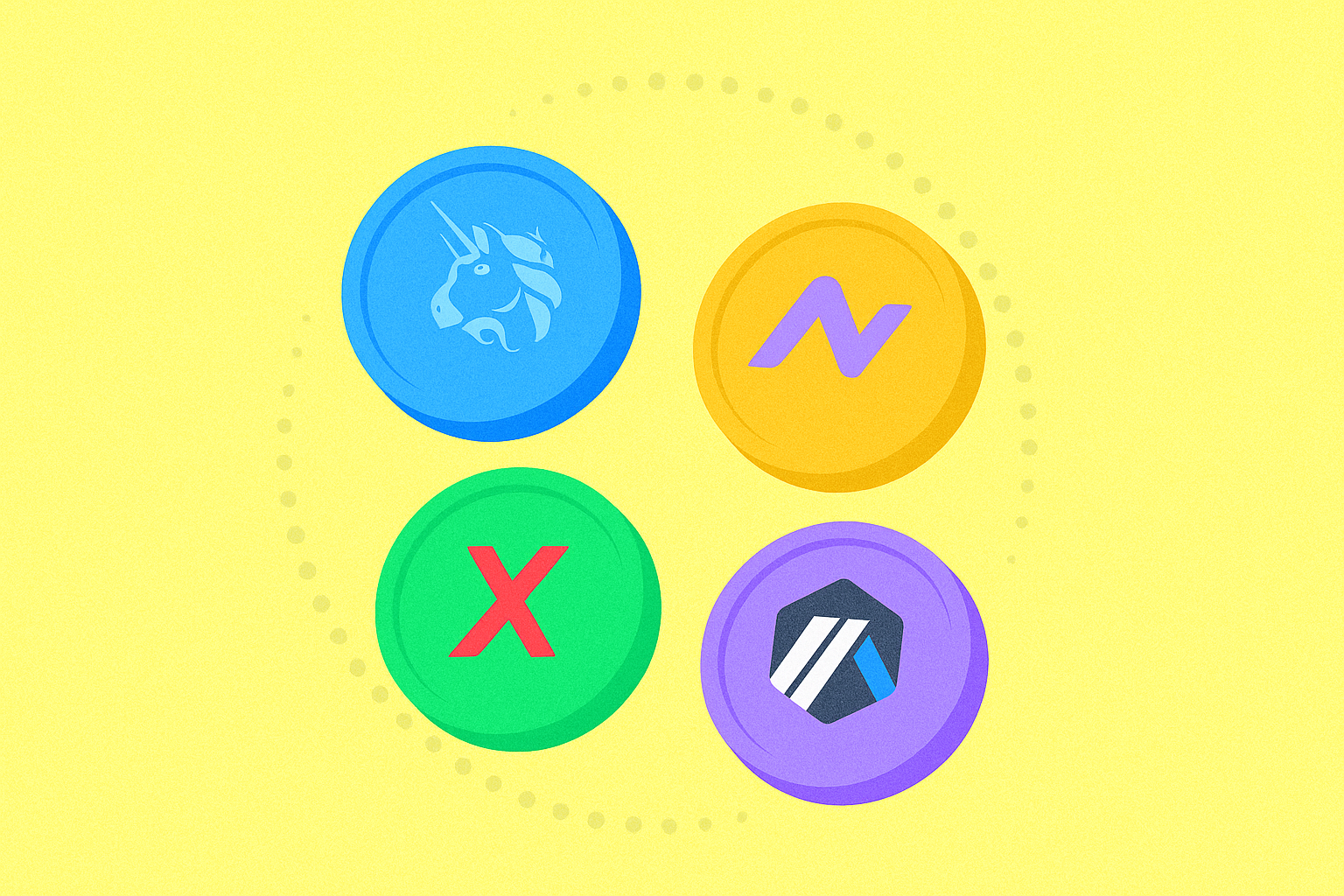
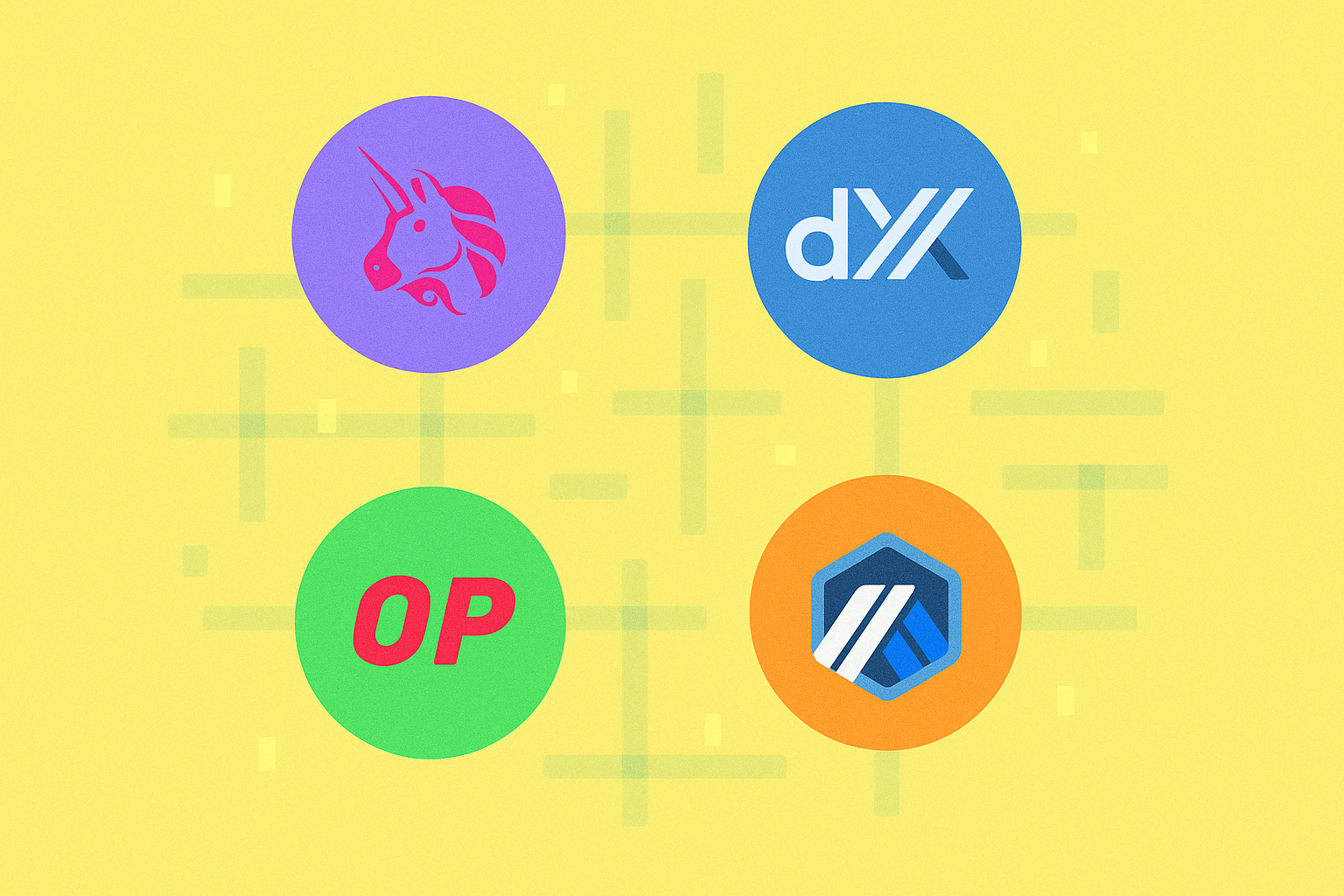
Uniswap (UNI)
In 2020, the decentralized exchange Uniswap distributed 400 UNI tokens (worth approximately $1,400 at the time of distribution) to every address that had ever used the protocol before a certain date. This generous retrodrop rewarded early adopters who believed in decentralized exchanges when they were still experimental. Many recipients who held their tokens saw significant appreciation in value over the following months.
dYdX (DYDX)
The derivatives trading platform distributed tokens among users based on their trading activity, with the most active traders receiving substantial amounts. The dYdX retrodrop was particularly notable for its sophisticated criteria that weighted different types of activities, rewarding not just volume but also consistency and diversity of trading strategies.
Optimism (OP)
This Layer 2 solution for Ethereum conducted a retrodrop for users who actively used the network and supported its development. Optimism's approach included multiple rounds of distributions, recognizing different types of contributions including early adoption, active usage, and participation in governance across various Ethereum projects.
Arbitrum (ARB)
Another Layer 2 solution that rewarded early users and developers with significant amounts of tokens. The Arbitrum retrodrop was one of the largest in history, distributing tokens to hundreds of thousands of addresses based on sophisticated criteria that evaluated genuine usage versus farming behavior.
How to Receive Retrodrops?
To increase your chances of receiving retrodrops, follow these strategic recommendations that focus on genuine protocol usage:
Actively Use Promising Projects
The primary criterion for receiving a retrodrop is activity on the platform. The more you interact with a project in meaningful ways, the higher the probability of receiving tokens during a retrodrop. Focus on projects that show strong fundamentals, active development, and growing user bases but haven't yet launched their own token.
Look for protocols that have received significant venture capital funding but lack a token, as these are prime candidates for future retrodrops. Projects backed by reputable investors often have the resources and incentives to reward their early community through token distributions.
Diversify Your Activity
Use various features of protocols to demonstrate comprehensive engagement. For DeFi projects, this might include:
- Providing liquidity: Contributing assets to liquidity pools helps protocols function and often receives higher rewards
- Staking: Locking tokens to support network security or protocol operations
- Borrowing and lending: Using money market features demonstrates trust in the protocol
- DAO voting: Participating in governance shows long-term commitment to the project
- Cross-chain bridging: Using bridge features if the protocol operates across multiple chains
Pay Attention to Projects Without Their Own Token
If a project is successful but hasn't yet issued its own token, it represents a strong candidate for conducting a retrodrop in the future. Such projects often initially focus on product development and user acquisition, then issue tokens to decentralize governance and reward their community.
Monitor projects that have achieved product-market fit, show consistent growth in users and total value locked (TVL), and have expressed intentions to decentralize. These indicators suggest a potential future retrodrop.
Follow Ecosystem News
Many projects hint at possible retrodrops long before official announcements. Stay informed through developer communications on Twitter, Discord, Telegram, and other social networks. Join official community channels where team members discuss future plans and roadmap developments.
Pay attention to governance proposals and forum discussions that mention tokenomics or community rewards. These conversations often provide early signals about upcoming token launches and potential retrodrops.
Be an Organic User
Projects increasingly implement mechanisms to protect against retrodrop farming. Act as a genuine user rather than simply making meaningless transactions hoping to receive tokens. Protocols employ sophisticated analytics to identify bot-like behavior, Sybil attacks, and farming patterns.
Focus on using protocols that solve real problems for you or align with your investment strategy. This organic approach not only increases your chances of qualifying for retrodrops but also helps you discover valuable projects that may succeed regardless of whether they conduct token distributions.
How to Maximize Profits from Retrodrops?
Receiving retrodrop tokens is just the beginning; strategic management of these assets can significantly impact your returns:
Long-Term Holding Strategy
Tokens received through retrodrops often have significant growth potential beyond their initial distribution value. Many users who held UNI or DYDX tokens instead of immediately selling them realized substantially greater profits as these projects matured and their tokens appreciated.
Consider the project's fundamentals, roadmap, and market position before deciding to sell. Early-stage tokens often experience volatility, but strong projects typically show sustained growth over time as they execute their vision and attract more users.
Staking Received Tokens
Many projects offer additional rewards for staking received tokens, which can increase your profits through compound returns. Staking not only generates passive income but also demonstrates commitment to the project, which may qualify you for future airdrops or governance rewards.
Evaluate staking rewards, lock-up periods, and associated risks before committing your tokens. Some protocols offer flexible staking with no lock-up, while others require longer commitments for higher yields.
Participation in Governance
Governance tokens grant voting rights in decisions about the project's future direction. Active participation in DAO governance can bring additional rewards beyond the initial retrodrop and influence protocol development in directions that benefit you as a stakeholder.
Many protocols reward active governance participants with additional token distributions, early access to new features, or other benefits. Engaging thoughtfully in governance discussions and voting on proposals demonstrates genuine interest in the project's success.
Risks and Warnings
Pursuing retrodrops involves certain risks that participants should carefully consider:
Gas Fees
Activity on the Ethereum blockchain can be expensive due to high transaction fees, especially during periods of network congestion. Calculate whether the potential retrodrop value justifies the gas costs required to interact with protocols. Consider using Layer 2 solutions or alternative chains where transaction fees are lower.
Uncertainty
There is no guarantee that a project will conduct a retrodrop or that you will meet the eligibility criteria even if one occurs. Projects may change their plans, implement different distribution mechanisms, or decide not to issue tokens at all. Approach retrodrop hunting as a potential bonus rather than a guaranteed income source.
Security Risks
Interacting with new and unverified protocols can expose your funds to smart contract vulnerabilities, hacks, or exploits. Only use protocols that have undergone professional security audits, have established track records, and maintain bug bounty programs. Never invest more than you can afford to lose in experimental protocols.
Tax Obligations
In many jurisdictions, receiving tokens through retrodrops may be considered taxable income. The tax treatment varies by country and can be complex, potentially requiring professional tax advice. Keep detailed records of all retrodrop receipts, including dates, quantities, and fair market values at the time of distribution.
Conclusion
Retrodrops represent a unique earning opportunity in the cryptocurrency industry, rewarding users for their contributions to ecosystem development. While there is no guaranteed method to receive retrodrops, active and organic participation in promising projects significantly increases your chances of benefiting from these distributions.
The most effective strategy involves genuinely using projects you believe in rather than simply hunting for potential rewards. This approach not only increases your chances of receiving retrodrops but also contributes to the healthy development of the entire cryptocurrency ecosystem. By focusing on protocols that solve real problems and align with your interests, you position yourself to benefit from both potential token distributions and the long-term success of innovative blockchain projects.
As the cryptocurrency space continues to evolve, retrodrops are likely to remain an important mechanism for projects to reward early supporters and decentralize governance. Stay informed, engage authentically with promising protocols, and approach retrodrop opportunities with a balanced perspective that considers both potential rewards and associated risks.
FAQ
What is a Retrodrop? How does it differ from regular airdrops?
Retrodrops are token distributions rewarding users based on past blockchain activity and engagement history. Unlike regular airdrops that distribute tokens broadly to new participants, retrodrops specifically recognize and compensate historical users for their prior involvement with a protocol or platform.
How to participate in Retrodrop activities and earn airdrop rewards?
Register on the NOTAI Telegram bot and complete designated tasks to participate in Retrodrops. Ensure you finish all steps before the activity deadline to qualify for airdrop rewards. Simple registration and task completion unlock your earning potential.
What are the risks to note when participating in Retrodrops?
Participating in Retrodrops carries risks including high gas fees that may exceed token value gained, price volatility of airdropped tokens, smart contract vulnerabilities, and timing risks if token prices decline after distribution.
What are the typical eligibility requirements for Retrodrops? How can I check if I qualify?
Retrodrop eligibility typically depends on historical trading volume and token holding duration. Check specific project requirements for minimum trading amounts and active participation periods to confirm your qualification status.
What are some successful Retrodrop cases in history and what were the returns?
Notable successes include Uniswap and ENS retrodrops. Uniswap rewarded early users with UNI tokens, delivering substantial returns after token listing. ENS similarly conducted retroactive airdrops to early adopters, both achieving significant value appreciation for participants.
How should Retrodrop tokens be handled after claiming? Should they be sold immediately or held long-term?
Retrodrop token strategy depends on your investment goals. Long-term holding typically offers greater appreciation potential as projects mature, while strategic selling can capture short-term gains. Consider market conditions and your risk tolerance when deciding.
How to identify and avoid fake Retrodrop scam projects?
Verify projects through official websites and trusted sources. Avoid unsolicited offers and be wary of exaggerated return promises. Check team credentials, community legitimacy, and transparent tokenomics. Never share private keys or invest based on social media hype alone.

Retrodrops: What They Are and How to Profit from Them
Retrodrops: Definition and Strategies for Earning

Understanding the Token Generation Process in Cryptocurrency

Effortless Crypto Wallet Integration with WalletConnect

Mastering Decentralized Trading: A Comprehensive Guide to Using Uniswap

Comprehensive Guide to Crypto Airdrops: Unlocking Your Digital Rewards
What Do Crypto Derivatives Signals Tell Us About Market Direction: Analyzing Futures Open Interest, Funding Rates, and Liquidation Data
What Crypto Communities Have the Most Active Developers and Highest Ecosystem Growth in 2026
What is the core fundamentals of a cryptocurrency project and how to analyze whitepaper, use cases, and team background
What is crypto holder concentration and how do exchange inflows affect market value
What is the difference between major cryptocurrencies: market cap, performance, and user adoption compared