Effortless Cross-Chain Trading with Atomic Swaps

Atomic Swaps
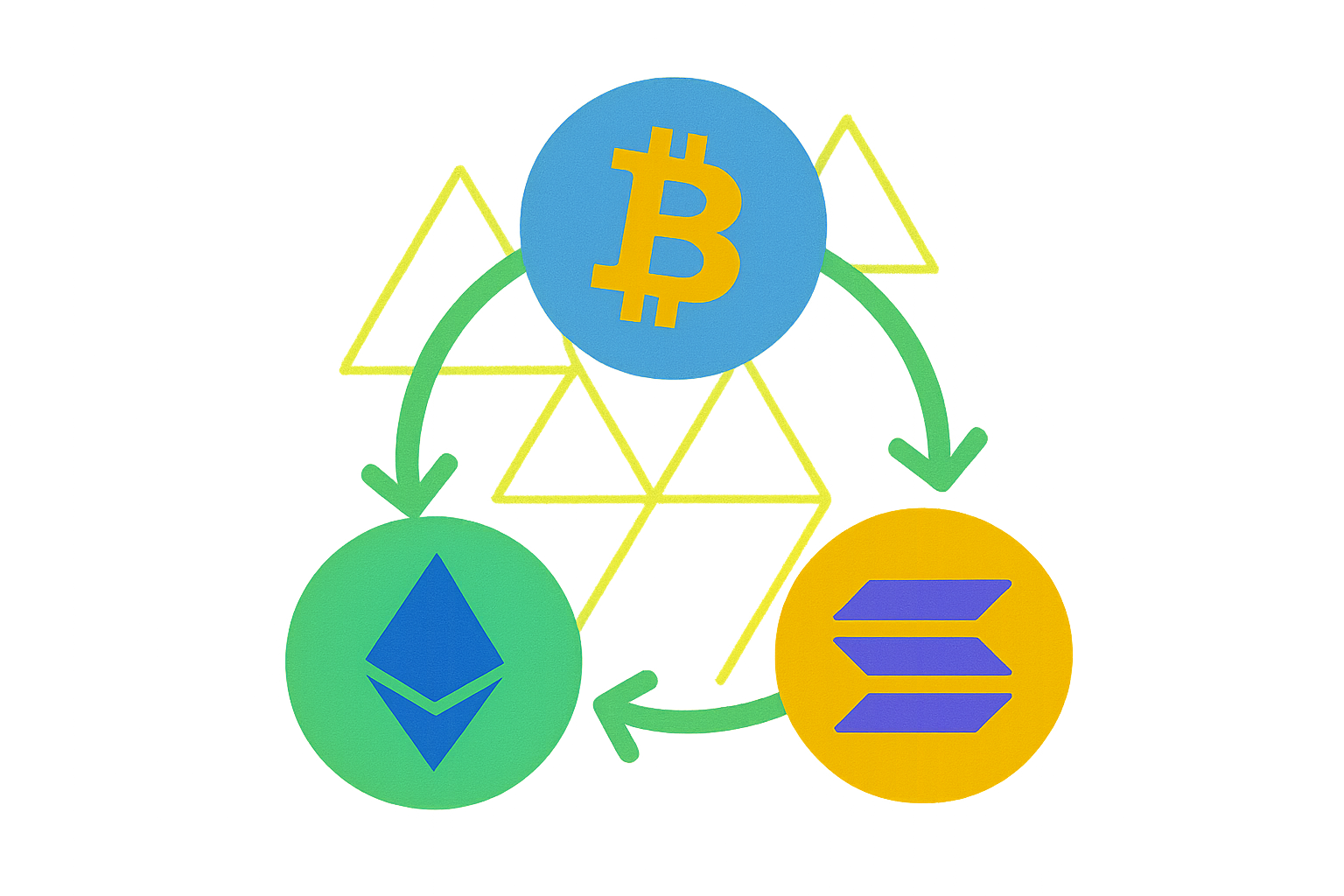
Atomic swaps represent a groundbreaking innovation in cryptocurrency trading, enabling direct peer-to-peer exchanges across different blockchain networks without centralized intermediaries. This technology leverages cryptographic protocols and smart contracts to facilitate secure, trustless transactions between parties trading different digital assets.
History of Atomic Swaps
The conceptual foundation of atomic swaps emerged in 2013 when computer scientist Tier Nolan introduced the revolutionary idea in a Bitcointalk forum discussion. Nolan's pioneering proposal outlined the fundamental principles of cross-chain trading, emphasizing the use of cryptographic protocols to enable secure, decentralized cryptocurrency exchanges. His vision was rooted in the belief that users should possess the capability to trade cryptocurrencies directly without depending on centralized third parties, which were inherently vulnerable to security breaches, operational downtime, and other systemic risks.
As blockchain technology matured and the cryptocurrency ecosystem expanded, Nolan's concept gained significant traction among developers and blockchain enthusiasts. The community recognized the transformative potential of enabling secure, decentralized trading mechanisms between disparate cryptocurrencies. This growing interest catalyzed extensive research and development efforts, leading to the refinement and eventual realization of practical atomic swap implementations.
How Do Atomic Swaps Work?
Atomic swaps operate through an ingenious combination of cross-chain trading capabilities and sophisticated cryptographic protocols, with Hash Time-Locked Contracts (HTLCs) serving as the core mechanism. The process facilitates secure and trustless cryptocurrency exchanges through a carefully orchestrated sequence of steps.
The foundation of atomic swaps lies in cross-chain trading, which enables the exchange of cryptocurrencies operating on separate and distinct blockchain networks. The process is intentionally designed to be trustless, meaning both parties can complete transactions without requiring mutual trust or reliance on third-party intermediaries.
Hash Time-Locked Contracts represent specialized smart contracts specifically designed for atomic swaps. HTLCs ensure transaction atomicity—meaning the swap either executes completely or not at all—effectively preventing partial or incomplete transactions. An HTLC functions as a time-bound smart contract that generates a cryptographic hash function to lock the funds involved in the swap. These funds can only be unlocked by providing the correct secret key, known as a preimage, within a predetermined timeframe.
The HTLC process begins when two parties agree to an atomic swap and create corresponding HTLCs on their respective blockchains. Each party locks their agreed-upon cryptocurrency amount using the same hash function. The initiating party then shares the secret preimage with the counterparty, who must use it to unlock funds on their blockchain within the specified timeframe. Once the second party successfully unlocks the funds, the first party can utilize the revealed preimage to unlock funds on their own blockchain, thereby completing the swap. If the preimage is not provided within the designated timeframe, the HTLC automatically expires, and funds are safely returned to their original owners.
Atomic swaps can be executed through two distinct methods: on-chain and off-chain implementations. On-chain atomic swaps require direct execution on the involved blockchains, necessitating that both chains support the same scripting language and HTLCs. Off-chain atomic swaps leverage second-layer solutions, such as the Lightning Network, to facilitate faster and more scalable transactions through payment channels.
Is Atomic Swap Safe?
Atomic swap technology is generally considered highly secure due to its reliance on robust cryptographic protocols and smart contracts, particularly Hash Time-Locked Contracts. The inherent design of HTLCs ensures that transactions either complete entirely or are automatically reversed, eliminating the risk of partial fund loss or fraudulent transactions.
A crucial security advantage of atomic swaps is that users maintain complete control over their private keys and funds throughout the entire transaction process. This represents a significant security enhancement compared to centralized trading platforms, which typically function as custodians of users' funds and consequently become attractive targets for hackers and security breaches. By eliminating the custodial intermediary, atomic swap implementations substantially reduce the attack surface and potential vulnerabilities associated with cryptocurrency trading.
What Are the Different Types of Atomic Swaps?
Atomic swaps can be categorized into two primary types: on-chain and off-chain implementations. Both types share the common objective of facilitating secure and trustless cryptocurrency exchanges between different blockchain networks, but they differ significantly in their execution methods and underlying technological infrastructure.
On-chain atomic swaps involve transactions that are directly executed and permanently recorded on the respective blockchains of the cryptocurrencies being exchanged. This approach requires both blockchains to support identical scripting languages and maintain compatibility with Hash Time-Locked Contracts. On-chain atomic swap transactions provide maximum transparency and security through direct blockchain verification but may face scalability limitations inherent to individual blockchain networks.
Off-chain atomic swaps utilize second-layer solutions, such as the Lightning Network, which enable transactions to occur outside the main blockchain infrastructure. This approach delivers substantially faster transaction speeds, enhanced scalability, and reduced costs compared to on-chain atomic swaps. Off-chain solutions achieve these improvements by conducting transactions through payment channels and only settling final balances on the main blockchain when necessary.
Both implementation types contribute significantly to the broader ecosystem goal of enabling secure, decentralized, and trustless digital asset exchanges, ultimately promoting greater interoperability between diverse blockchain networks and cryptocurrency ecosystems.
Advantages of Atomic Swaps
Atomic swap technology offers numerous compelling advantages that position it as a transformative innovation in cryptocurrency trading.
Decentralization and trustless exchange represent fundamental benefits of atomic swaps. By eliminating the need for centralized intermediaries such as traditional trading platforms, atomic swap mechanisms promote true decentralization and allow users to maintain complete control of their assets throughout the transaction process. Trustless exchange is achieved through HTLCs, which ensure that both parties can execute swaps without requiring mutual trust or third-party involvement. HTLCs guarantee transaction atomicity, minimizing fraud risk and ensuring no funds are lost during the exchange process.
Enhanced security constitutes another significant advantage of atomic swaps compared to centralized trading platforms. Centralized platforms act as custodians of user funds and frequently become targets for hackers due to the substantial asset volumes they control. In contrast, atomic swap transactions enable users to retain control over their private keys and funds throughout the transaction process. Since transactions are executed directly between involved parties, the risk of fund loss due to platform hacks or security breaches is dramatically reduced.
Reduced transaction fees provide economic benefits to users of atomic swaps. Centralized trading platforms typically impose fees for deposits, withdrawals, and trading activities, which can accumulate significantly for frequent traders. Atomic swap implementations, by eliminating intermediary requirements, either eliminate these fees entirely or reduce them to minimal levels associated with blockchain transaction costs.
Increased privacy represents an additional advantage of atomic swaps compared to centralized platforms. Centralized platforms often require users to undergo identity verification processes, such as Know Your Customer (KYC) and Anti-Money Laundering (AML) regulations, which can compromise user privacy. Atomic swap technology enables direct peer-to-peer exchanges, allowing users to maintain significantly higher degrees of anonymity throughout the transaction process.
Faster transaction times demonstrate the efficiency potential of atomic swaps compared to traditional centralized platforms. Centralized platforms often experience delays due to system overload, server downtime, or manual processing requirements for deposits and withdrawals. Atomic swap mechanisms leverage smart contracts and cryptographic protocols to execute transactions directly between parties, eliminating these bottlenecks. Furthermore, off-chain atomic swaps utilizing second-layer solutions like the Lightning Network can further reduce transaction times by avoiding the need for main blockchain confirmation for each transaction, enabling near-instantaneous exchanges.
Disadvantages of Atomic Swaps
Despite their numerous advantages, atomic swap technology faces several limitations and challenges that currently restrict its widespread adoption.
Compatibility requirements represent a primary limitation of atomic swaps. For an atomic swap to occur successfully, both involved cryptocurrencies must support the same scripting language, hash functions, and maintain compatibility with HTLCs. This technical requirement means that not all cryptocurrency pairs can be exchanged using atomic swap protocols, potentially limiting the variety of trading pairs available to users and restricting the technology's applicability across the broader cryptocurrency ecosystem.
Scalability concerns pose ongoing challenges for atomic swaps, particularly for on-chain implementations. Since on-chain atomic swap transactions require recording and verification on respective blockchains, they may encounter the same scalability issues affecting individual blockchain networks, including network congestion and slow confirmation times. While off-chain atomic swaps utilizing second-layer solutions like the Lightning Network can help mitigate these concerns, they still face limitations regarding widespread adoption and user accessibility.
Liquidity issues represent another significant challenge for atomic swap adoption, especially during early implementation phases. Centralized trading platforms typically provide higher liquidity due to their large user bases and extensive trading pair support. In contrast, atomic swaps rely on direct peer-to-peer exchanges, which may experience lower liquidity if participant numbers are limited or available trading pairs are restricted. Low liquidity can lead to price slippage and reduced trading efficiency, creating barriers to widespread atomic swap adoption.
A Real-World Example of Atomic Swaps
A landmark real-world demonstration of atomic swap technology occurred in September 2017, when Litecoin creator Charlie Lee successfully executed the first recorded on-chain atomic swap between Litecoin and Bitcoin. This historic event demonstrated the practical viability of the technology and its potential for facilitating decentralized, trustless cryptocurrency exchanges between major digital assets.
In this groundbreaking transaction, Lee utilized a tool called "swapbill" to conduct the atomic swap. The process involved creating and signing Hash Time-Locked Contracts on both the Litecoin and Bitcoin blockchains. The transaction reached completion once both parties revealed their respective preimages and successfully unlocked funds on their respective blockchain networks.
Following this initial successful atomic swap, numerous projects and platforms have emerged focusing on enabling cross-chain transactions using atomic swap technology. Notable examples include various decentralized platforms and the Lightning Network, which aims to facilitate off-chain atomic swaps for faster, more scalable transaction processing. These developments demonstrate the growing practical implementation of atomic swap technology across the cryptocurrency ecosystem.
Future of Atomic Swaps
As the cryptocurrency ecosystem continues its evolution, the future of atomic swap technology appears promising, with substantial potential to transform digital asset trading and exchange mechanisms. Several key factors are expected to influence the development and adoption of atomic swaps in the coming years.
Increasing cross-chain interoperability represents a major driver for atomic swap development. As the number of blockchain networks and cryptocurrencies continues to grow, demand for seamless, trustless cross-chain transactions is expected to rise correspondingly. This growing demand continues to drive research and development in atomic swap technology, leading to more sophisticated and accessible implementations.
The adoption of second-layer solutions plays a crucial role in overcoming scalability challenges associated with on-chain atomic swaps. The ongoing implementation of technologies such as the Lightning Network enables faster and more cost-effective transactions, further encouraging atomic swap usage for cryptocurrency exchanges and expanding their practical applicability.
Improved user experience remains essential for mainstream adoption of atomic swap technology. As the technology matures, an increasing number of user-friendly interfaces and platforms are emerging, making atomic swaps more accessible to non-technical users. This democratization of access helps position atomic swaps as a viable alternative to centralized trading platforms for mainstream cryptocurrency users.
Regulatory developments continue to influence the atomic swap landscape. The regulatory environment for cryptocurrencies and digital asset trading evolves globally. As atomic swaps gain popularity, regulators may introduce new rules and guidelines governing their use. These regulations could substantially impact adoption and growth trajectories, depending on their nature and scope.
Integration with decentralized finance (DeFi) presents significant opportunities for atomic swap technology. The ongoing growth of the DeFi sector creates natural integration points for atomic swaps in various financial applications. By enabling trustless, decentralized exchanges, atomic swap technology plays a pivotal role in the expansion of DeFi platforms and services, contributing to a more interconnected and efficient decentralized financial ecosystem.
Conclusion
Atomic swaps represent a transformative technology with substantial potential to revolutionize cryptocurrency trading by enabling direct, decentralized, and trustless exchanges between different digital assets. This innovative approach offers numerous compelling benefits, including enhanced security through user-controlled private keys, significantly reduced transaction fees by eliminating intermediaries, increased privacy through peer-to-peer transactions, and faster transaction times through smart contract automation. These advantages align perfectly with the core principles of blockchain technology: decentralization, security, and user empowerment.
However, atomic swap implementations currently face several limitations and challenges that must be addressed for widespread adoption. Compatibility requirements between different blockchain networks, scalability concerns particularly for on-chain implementations, and liquidity issues in early adoption phases represent significant obstacles. As atomic swap technology continues to evolve and mature, ongoing research and development efforts are expected to address these challenges, making atomic swaps increasingly accessible and practical for mainstream users.
The future trajectory of atomic swap technology appears highly promising, with developments in cross-chain interoperability, second-layer solutions, user experience improvements, regulatory frameworks, and DeFi integration all contributing to the technology's growth potential. As more platforms and projects adopt atomic swap mechanisms, the cryptocurrency ecosystem moves closer to realizing a truly decentralized, secure, and efficient trading environment. By understanding and embracing atomic swap technology, the cryptocurrency community can reduce reliance on centralized platforms and promote the authentic spirit of blockchain technology, ultimately creating a more resilient and user-centric digital asset ecosystem.
FAQ
Is atomic swap safe?
Yes, atomic swaps are generally safe. They use smart contracts to ensure transactions complete fully or not at all, preventing partial transfers and reducing counterparty risk.
What is the best atomic swap exchange?
The best atomic swap exchange varies based on user needs, but top options include those with high liquidity, low fees, and robust security measures.
What is the main advantage of atomic swap?
The main advantage of atomic swap is true decentralization, allowing direct cryptocurrency exchanges without intermediaries or counterparty risk.
Can atomic swaps be traced?
Atomic swaps are designed for user anonymity, making them difficult to trace. However, traceability may depend on specific circumstances and blockchain technologies involved.

Top Platforms for Secure and Private Trading

Exploring Atomic Swap Technology for Cross-Chain Crypto Transactions

Top Decentralized Exchange Platforms for 2023
Effortless Cross-Chain Trading with Atomic Swaps

Exploring Decentralized Finance Opportunities
The Future of Cryptocurrency Transfers: Cross-Chain Trading Solutions

Aptos Mainnet Launch and Noteworthy Ecosystem Projects

Decentralized Perpetual Exchange GMX Integrates Leading Multi-Chain Wallet for Enhanced Trading Access

How can I access my wallet’s private key or mnemonic phrase?

What is TON PUNKS?

Polymarket: A Decentralized Prediction Market Platform