The Future of Cryptocurrency Transfers: Cross-Chain Trading Solutions


Atomic Swaps
Atomic swaps, also known as cross-chain swaps or atomic cross-chain trading, are a revolutionary concept in the cryptocurrency world. They allow for the direct exchange of different cryptocurrencies between two parties without the need for a centralized intermediary.
History of Atomic Swaps
The concept of atomic swaps was first introduced in 2013 by computer scientist Tier Nolan. He proposed the idea on a cryptocurrency forum, outlining the basic principles of cross-chain trading using cryptographic protocols. This laid the foundation for secure, trustless, and decentralized cryptocurrency exchanges.
How Do Atomic Swaps Work?
Atomic swaps utilize Hash Time-Locked Contracts (HTLCs) to facilitate secure and trustless exchanges. The process involves the following steps:
- Both parties create and sign HTLCs on their respective blockchains.
- The funds are locked using a cryptographic hash function.
- The first party shares a secret preimage with the second party.
- The second party uses the preimage to unlock the funds on their blockchain.
- The first party then uses the revealed preimage to unlock the funds on their blockchain.
This process ensures that the swap either happens completely or not at all, preventing partial or incomplete transactions.
Is Atomic Swap Safe?
Atomic swaps are generally considered safe due to the use of cryptographic protocols and smart contracts. Users maintain control over their private keys and funds throughout the transaction process, providing enhanced security compared to centralized platforms.
What Are the Different Types of Atomic Swaps?
There are two main types of atomic swaps:
- On-chain atomic swaps: These are executed directly on the respective blockchains of the cryptocurrencies involved.
- Off-chain atomic swaps: These utilize second-layer solutions like the Lightning Network for faster and more scalable transactions.
Advantages of Atomic Swaps
Atomic swaps offer several advantages:
- Decentralization and trustless exchange
- Enhanced security
- Reduced transaction fees
- Increased privacy
- Faster transaction times
Disadvantages of Atomic Swaps
Despite their benefits, atomic swaps also have some limitations:
- Compatibility requirements between cryptocurrencies
- Scalability concerns, especially for on-chain swaps
- Potential liquidity issues
A Real-World Example of Atomic Swaps
In the past, a notable event demonstrated the viability of atomic swap technology. The successful execution of an on-chain atomic swap between two major cryptocurrencies showcased the potential for facilitating decentralized, trustless exchanges.
Future of Atomic Swaps
The future of atomic swaps looks promising, with potential developments including:
- Increasing cross-chain interoperability
- Wider adoption of second-layer solutions
- Improved user experience
- Integration with decentralized finance (DeFi) platforms
Conclusion
Atomic swaps represent a significant advancement in cryptocurrency trading, offering a decentralized, secure, and efficient method for exchanging digital assets. While challenges remain, ongoing developments in this technology are likely to address current limitations and drive wider adoption. As the cryptocurrency ecosystem continues to evolve, atomic swaps have the potential to play a crucial role in shaping the future of decentralized finance and cross-chain interoperability.
FAQ
What is a main purpose of an atomic swap?
The main purpose of an atomic swap is to enable direct peer-to-peer cryptocurrency exchanges without intermediaries, ensuring secure and trustless transactions across different blockchain networks.
Are atomic swaps traceable?
Yes, atomic swaps are traceable. They occur on-chain, leaving a record on both blockchains involved in the swap. However, the level of traceability depends on the privacy features of the specific blockchains used.
How to use atomic swaps?
To use atomic swaps, find a compatible wallet or platform, choose currencies to swap, initiate the transaction, and follow the platform's instructions to complete the peer-to-peer exchange securely and without intermediaries.
How do atomic swaps work in cross-chain transactions?
Atomic swaps use smart contracts to enable direct peer-to-peer exchanges of cryptocurrencies across different blockchains, ensuring both parties receive their assets simultaneously or the transaction is cancelled.

Effortless Cross-Chain Trading with Atomic Swaps

Top Platforms for Secure and Private Trading

Exploring Atomic Swap Technology for Cross-Chain Crypto Transactions

Top Decentralized Exchange Platforms for 2023
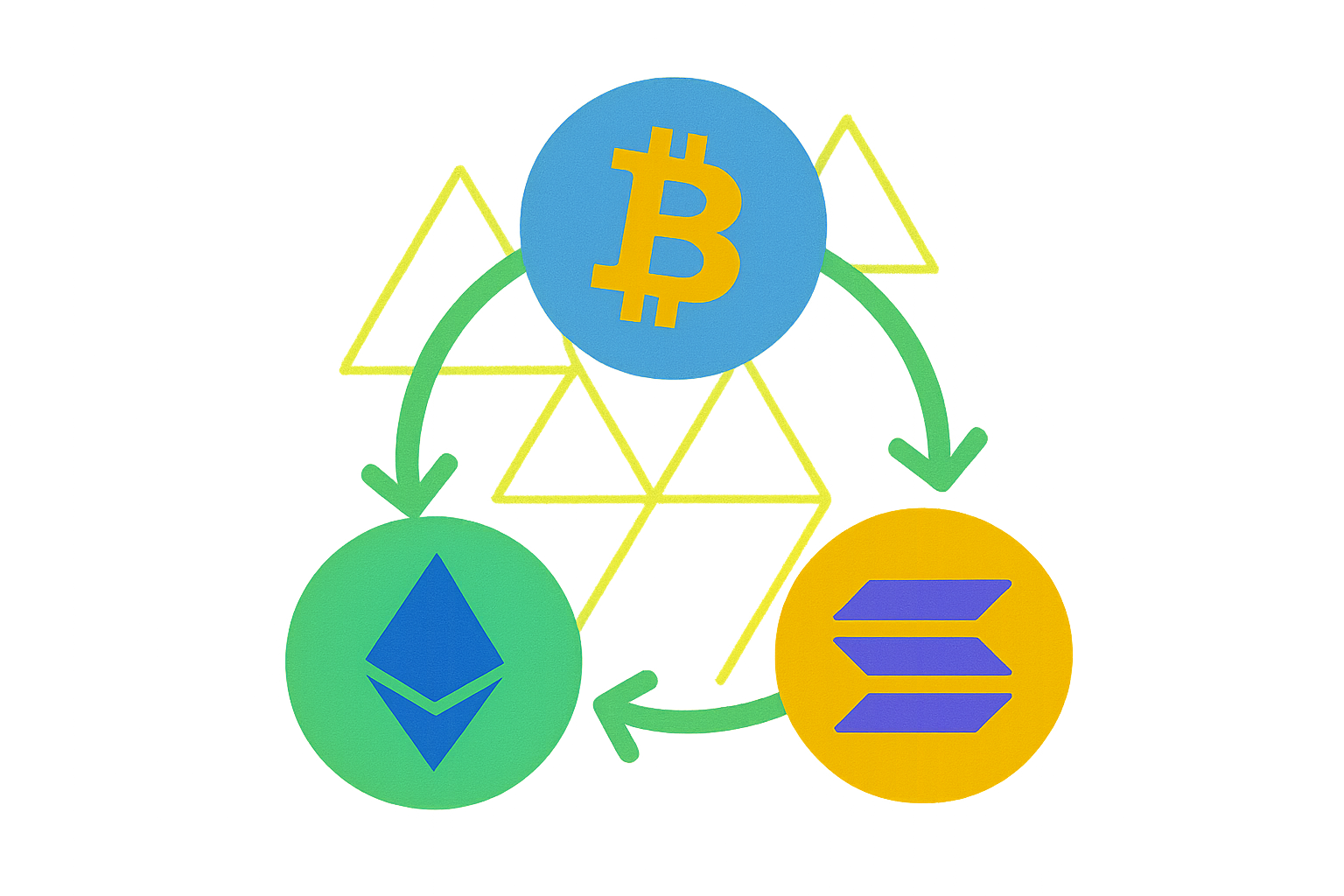
Effortless Cross-Chain Trading with Atomic Swaps

Exploring Decentralized Finance Opportunities

MPC Wallet: Experience a new level of secure and seamless crypto asset management

Roam Listing Details: Launch Date, Price Predictions, and How to Buy $ROAM

DePIN: Hardware Set to Transform Web3

MACD指標是什麼?

Bitget Wallet Valued at $300 Million After Investment from Mainstream Exchange, Boasts 10 Million Users