fomox
MarketsPerpsSpotSwap
Meme
Referral
More
Search Token/Wallet
/

Understanding Merkle Tree Proofs in Blockchain Technology

2025-12-19 03:55:51
Blockchain
Crypto Ecosystem
Crypto Tutorial
Web 3.0
Zero-Knowledge Proof
Article Rating : 4.5
half-star
132 ratings
Explore the significance of Merkle trees in blockchain technology, focusing on their role in enabling Proof of Reserves. Learn how hashes provide unique data fingerprints in immutable chains, ensuring security and tamper-proof characteristics. Discover Merkle trees' hierarchical structure for efficient data verification, utilized by platforms like Gate for transparent reserve management. Understand how these cryptographic solutions empower users to verify holdings independently, maintaining trust and privacy in decentralized systems. This article offers valuable insights for anyone interested in blockchain's security and transparency mechanisms.
Understanding Merkle Tree Proofs in Blockchain Technology

What are Merkle trees and how do they enable Proof of Reserves?

Merkle trees represent a fundamental cryptographic technology that enables secure and efficient verification of data integrity in blockchain systems. This article explores the concept of Merkle trees and their critical role in implementing merkle tree proof mechanisms for cryptocurrency exchanges, demonstrating how Proof of Reserves establishes trust and transparency.

First, what's a "hash"?

A hash is a unique, immutable sequence of alphanumeric characters generated from a data set of any length or size through a cryptographic hash function. In blockchain technology, this data set can be virtually infinite in scope.

The hash function serves as a critical security mechanism by converting transaction data from a block into a unique string of text that cannot be altered without modifying the entire blockchain history. When a new block is added to a blockchain, it becomes cryptographically linked to the preceding block through this hash function. This creates an immutable chain where any alteration to the data set will fundamentally change its corresponding hash value.

For example, if a transaction in block 100 is modified, the hash of that block changes, which then cascades through all subsequent blocks, making tampering immediately detectable. This one-way function cannot be reverse-engineered to reveal the original source data, which provides robust security against decryption attempts.

The Transaction Hash (Tx Hash) serves as a unique identifier for each cryptocurrency transaction, providing cryptographic proof that the transaction was validated and permanently recorded on the blockchain. This mechanism ensures blockchain immutability and tamper-proof characteristics, as every block is intrinsically connected to both preceding and subsequent blocks.

Then what's a Merkle Tree?

Patented by Ralph Merkle in 1979, a Merkle Tree is a hierarchical hash structure that enables efficient and secure verification of data in peer-to-peer networks. This innovative data structure solves a critical efficiency problem in blockchain technology and forms the foundation of merkle tree proof systems.

To understand Merkle trees, consider a practical analogy: imagine operating an ice cream shop and calculating monthly profit and loss statements. If you discover an error in the payment recorded for cream and sugar on January 5th, using traditional pen and paper methods would require recalculating all subsequent transactions through month-end. This approach is not only daunting but tremendously inefficient.

A cryptographic hash function operates similarly to spreadsheet software, where changes to any input automatically update related calculations without manually modifying the entire ledger. In blockchain terms, when transaction data changes, the transaction hash generates a new randomized alphanumeric sequence reflecting those modifications, creating what we call a Merkle tree.

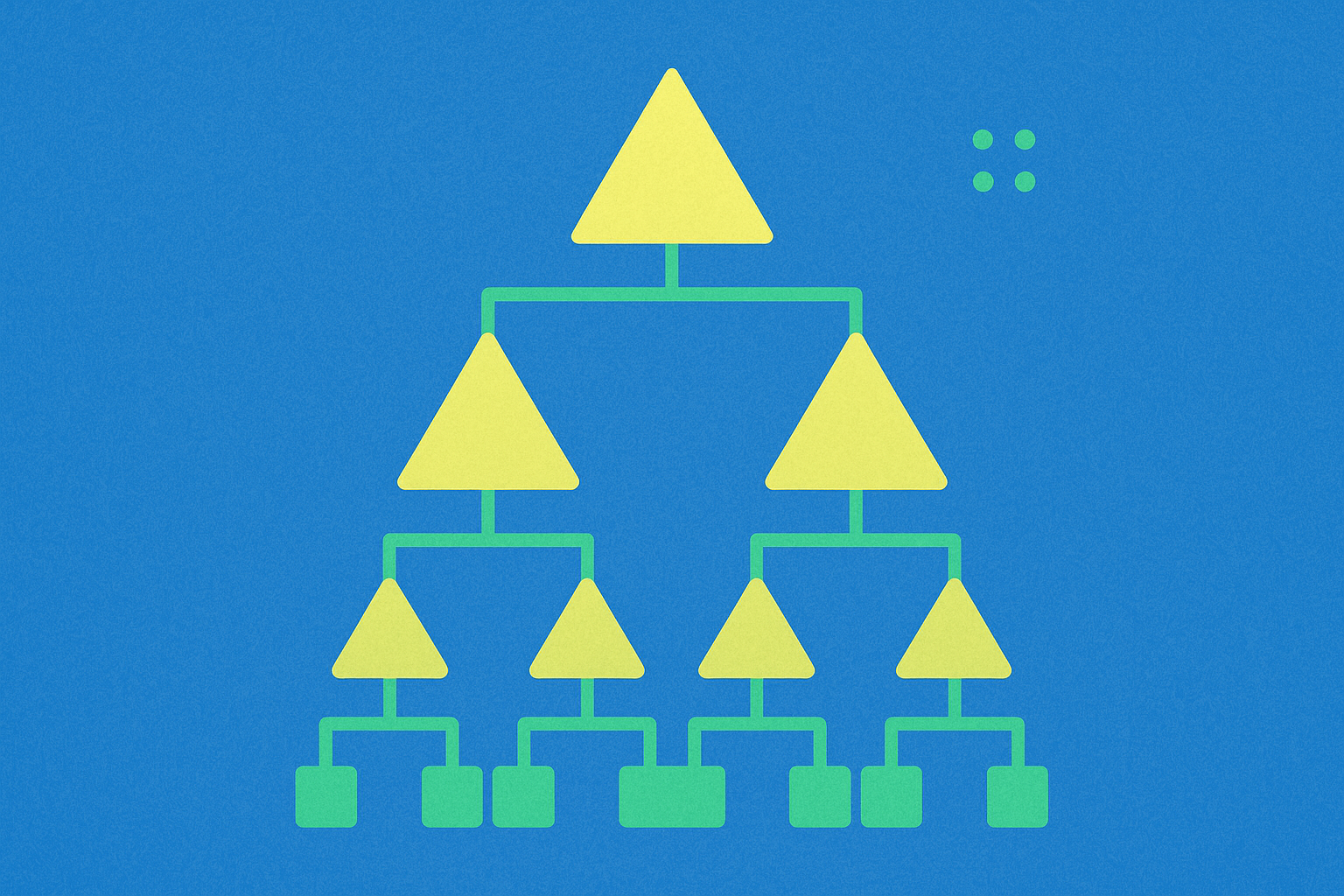
The structure of a Merkle tree consists of leaf nodes at the bottom, which are hashes representing individual data blocks or transactions. Parent nodes higher in the tree are created by combining and hashing their child nodes. For instance, Hash 1 equals the hash of (Hash 1-0 plus Hash 1-1). This hierarchical structure continues upward until reaching the Top Hash, also called the root, which sits at the apex of the tree.

Merkle trees can quickly verify data transferred between computers in peer-to-peer networks by ensuring blocks are received unaltered and undamaged. The Top Hash enables any part of the hash tree to be received from untrusted sources and verified against the trusted root. Instead of transmitting entire files across the network, only the hash needs to be sent and checked against the Top Hash for verification. This mechanism partially defines cryptocurrency as a trustless system, eliminating the need for centralized verification authorities.

What are Proof of Reserves?

Proof of Reserves represents a transparency protocol designed to alleviate customer concerns about crypto funds held in centralized trading platforms. This system provides verifiable evidence that custodians hold the assets they claim to maintain on behalf of users through merkle tree proof methodology.

In traditional financial accounting, third-party auditors review and verify ledgers, records, and balance sheets. When discrepancies arise, auditors flag them for resolution before validating the financial books. However, decentralized platforms operate without third-party auditors or human oversight for balancing transactions.

This raises critical trust questions: How can users verify that deposits made previously remain secure? How can they trust that platforms won't misuse deposited funds? While blockchain explorers exist, history demonstrates they aren't always transparent enough to protect against bad actors.

The Merkle Tree provides a viable long-term solution through Proof of Reserves implementation. Cryptocurrency trading platforms utilize Merkle trees to demonstrate reserve holdings in two complementary ways:

First, individual users can locate their balance within the Merkle tree structure and prove their assets are included in the platform's total balance. This verification process allows users to independently confirm their holdings without relying on the platform's word alone—this is the essence of merkle tree proof validation.

Second, the total platform balance shown in the Merkle tree is compared against the publicly visible on-chain wallet balance. This comparison determines whether the platform maintains adequate Proof of Reserves, demonstrating a 1:1 backing of customer assets.

Using the cryptographic properties of Merkle trees to display immutable transaction data and prove the data hasn't been tampered with, customers gain assurance that their assets are properly secured and fully backed by actual reserves. This merkle tree proof system creates transparency without compromising security.

Conclusion

Merkle trees represent a cornerstone technology in blockchain systems, providing efficient data verification through hierarchical hash structures. By understanding how hashes create immutable data fingerprints and how Merkle trees organize these hashes into verifiable structures, we can appreciate the security and transparency they bring to cryptocurrency systems through merkle tree proof mechanisms.

The application of Merkle trees to Proof of Reserves addresses fundamental trust issues in centralized cryptocurrency platforms. This cryptographic solution enables users to independently verify their holdings while allowing platforms to demonstrate transparent reserve management without compromising individual privacy. The merkle tree proof approach ensures that every user can validate their position within the reserve structure.

As the cryptocurrency ecosystem continues evolving, Merkle trees and Proof of Reserves protocols remain essential tools for building trust and ensuring accountability in digital asset custody. The merkle tree proof methodology has become an industry standard for demonstrating solvency and maintaining user confidence.

The combination of cryptographic hash functions, Merkle tree structures, and Proof of Reserves protocols creates a trustless verification system that protects users while maintaining the decentralized principles underlying blockchain technology. This innovative merkle tree proof approach demonstrates how mathematical cryptography can replace traditional trust-based relationships with verifiable, transparent proof systems that anyone can independently audit and verify.

FAQ

What is a Merkle tree proof?

A Merkle tree proof is a set of hashes that verifies a leaf's membership in a Merkle tree. It combines sibling hashes to prove inclusion, with the root hash confirming the tree's integrity and data authenticity.

How do you verify Merkle proof?

To verify a Merkle proof, compare provided hashes against the root hash of the Merkle tree. The proof includes sibling hashes that validate each node, confirming data integrity and presence without revealing the data itself.

What is Merkle tree proof of inclusion?

A Merkle tree proof of inclusion verifies that a specific data element exists in a Merkle tree using hash values. It confirms data integrity through a series of sibling hashes leading to the root, without revealing the actual data.

* The information is not intended to be and does not constitute financial advice or any other recommendation of any sort offered or endorsed by Gate.

Share

Content

First, what's a "hash"?

Then what's a Merkle Tree?

What are Proof of Reserves?

Conclusion

FAQ

Related Articles
Cryptography: From Ancient Ciphers to Blockchain. The Complete Guide to Information Security in the Digital Age

Cryptography: From Ancient Ciphers to Blockchain. The Complete Guide to Information Security in the Digital Age

Blockchain Cryptography Essentials: Explore Encryption, Digital Signatures, and Hashing. This comprehensive guide is tailored for novice investors, Web3 developers, and anyone interested in crypto security on Gate.
2026-01-03 19:19:39
Introduction to Cryptography: A Beginner's Guide

Introduction to Cryptography: A Beginner's Guide

The article provides a comprehensive introduction to cryptography, highlighting its significance in modern digital security by explaining fundamental concepts such as encryption, cryptographic keys, and hash functions. It discusses different types of cryptography—symmetric, asymmetric, and hash functions—and their applications, including secure communications, blockchain technology, and digital identity. The article addresses issues like quantum computing threats and key management, making it relevant for beginners seeking to understand cryptographic principles and their impact on digital trust. Keywords such as encryption, blockchain, digital security, and cryptographic algorithms enhance readability and ensure quick comprehension.
2025-12-18 19:35:08
Understanding Merkle Proofs in Blockchain Technology

Understanding Merkle Proofs in Blockchain Technology

The article delves into the importance of Merkle Trees in blockchain technology, highlighting their role in enabling Proof of Reserves on Gate. It explains the significance of cryptographic hashing and Merkle proof in verifying data security and integrity without intermediaries. Key sections include an overview of hashes and Merkle Trees, and how these structures ensure transaction transparency. With a focus on user protection, the piece addresses issues such as asset verification in centralized platforms. Ideal for those interested in cryptocurrency security, the article provides essential insights into safeguarding digital assets.
2025-12-18 23:18:47
Understanding Cryptography: Essential Concepts for Blockchain Security

Understanding Cryptography: Essential Concepts for Blockchain Security

This article explores the fundamental concepts of cryptography, a critical factor in ensuring blockchain security. Highlighting its historical evolution from ancient codes to modern applications, it delves into symmetric and asymmetric cryptography methodologies and their roles in digital security. Addressing the need for secure communication and data protection, it serves as a valuable resource for anyone keen on understanding digital security frameworks, especially in the context of blockchain and cryptocurrency. By providing clear insights into keys, encryption types, and practical use cases, the article enhances comprehension of how digital security operates within computer networks.
2025-12-18 19:37:08
Enhancing Security in Blockchain Networks with Cryptography Techniques

Enhancing Security in Blockchain Networks with Cryptography Techniques

This article explores the crucial role of cryptography in enhancing security within blockchain networks, highlighting its evolution from ancient times to modern digital applications. It delves into cryptographic techniques like encryption and key management, emphasizing their relevance in protecting sensitive data across computer networks. The text addresses challenges and solutions offered by symmetric and asymmetric cryptography, suitable for diverse applications such as secure transactions and decentralized systems. Cryptography's impact on digital security, privacy, and trust is underscored, offering insights for anyone involved in digital communication and blockchain technologies.
2025-12-19 10:25:06
Understanding Merkle Proofs in Blockchain Technology

Understanding Merkle Proofs in Blockchain Technology

The article explores Merkle trees, their role in blockchain security, and how they enable Proof of Reserves. Readers will understand how Merkle trees verify transaction integrity through cryptographic hashes, ensuring transparency without the need for third-party audits. It addresses trust issues in centralized platforms, providing users with mechanisms to validate asset custodies independently. Organized logically, it details Merkle trees, hash functions, and their application in cryptocurrency ecosystems, offering essential insights for both novice and experienced crypto enthusiasts.
2025-12-18 12:33:49
Recommended for You
What is Fuel Network (FUEL)? Everything You Need to Know about FUEL

What is Fuel Network (FUEL)? Everything You Need to Know about FUEL

Fuel Network (FUEL) is an advanced Layer 2 scaling solution that addresses Ethereum's congestion and high gas fees through innovative FuelVM technology and parallel transaction execution. This comprehensive guide explores FUEL token fundamentals, including its revolutionary features like the Sway programming language and native multi-asset support that empower developers and users. Learn about the project's robust tokenomics model with 10 billion total supply, carefully structured allocations for community growth, ecosystem development, and contributor incentives. Discover how to acquire FUEL tokens on Gate exchange and secure them in trusted wallets like MetaMask. Understand the experienced leadership team's vision for democratizing blockchain development while analyzing long-term value drivers including ecosystem adoption, technical innovation, and competitive positioning. Whether you're a developer, investor, or blockchain enthusiast, this guide provides essential insights into Fuel Network's potential to
2026-01-11 14:41:45
Zora (ZORA) Airdrop Guide: Participation Steps, Reward Collection, and Price Predictions

Zora (ZORA) Airdrop Guide: Participation Steps, Reward Collection, and Price Predictions

Discover Zora, the groundbreaking on-chain platform redefining how creators earn from their content. Get step-by-step guidance on joining the ZORA airdrop, take advantage of the 35% community allocation in its tokenomics, mint NFTs, and trade seamlessly on Gate. Access detailed snapshot instructions, 2025 price forecasts, and explore new earning opportunities tailored for creators.
2026-01-11 14:38:49
What Is BNB Chain?

What Is BNB Chain?

This comprehensive guide explores BNB Chain, a decentralized blockchain ecosystem powered by BNB token, developed to foster innovation through its dual-chain architecture. BNB Chain distinguishes itself with high-speed transaction processing, low fees, and EVM compatibility, supporting diverse applications across DeFi, gaming, and NFTs. The guide covers the thriving ecosystem hosting hundreds of active projects including PancakeSwap, Venus, and CryptoBlades, alongside key tokens like Injective, Gala, and CAKE. Learn how to acquire BNB through major exchanges like Gate, select optimal wallets with multi-chain support, and understand investment considerations. Explore BNB's long-term prospects driven by continuous infrastructure development, increasing institutional adoption, and expanding Web3 integration, while recognizing inherent cryptocurrency market risks and volatility.
2026-01-11 14:28:14
All You Need To Know About Yescoin

All You Need To Know About Yescoin

YesCoin is an innovative blockchain-based gaming platform built on The Open Network (TON) that combines accessible mobile gaming with Web3 mechanics. This comprehensive overview explores how YesCoin's unique swipe-to-earn mechanism attracts over 18 million players globally by blending nostalgic gameplay with cryptocurrency rewards. The guide covers core gameplay systems including coin collection, treasure chests, task completion, and passive earning through YesPac robots. Key differentiators include TON blockchain integration for transparency, vibrant community engagement, and the speculative YES native token launch. The article provides step-by-step onboarding instructions, airdrop eligibility strategies, wallet selection guidance, and addresses frequently asked questions about security, tokenomics, and future development prospects within the emerging play-to-earn economy.
2026-01-11 14:25:25
How to Buy Baron ($BARRON) Coin: What is Baron Trump Cryptocurrency?

How to Buy Baron ($BARRON) Coin: What is Baron Trump Cryptocurrency?

This comprehensive guide explores $BARRON, a Solana-based meme coin inspired by Barron Trump that surged nearly 500-fold after launch. The article examines the token's community-driven appeal, technical infrastructure on Solana, and its intersection with Trump family cryptocurrency ventures including World Liberty Financial. Key sections detail $BARRON's high-speed transactions, liquidity across exchanges, and cultural significance within political cryptocurrency circles. The guide thoroughly addresses investment risks associated with unconfirmed celebrity connections, analyzing real examples of token collapses and market manipulation. Finally, it provides practical purchasing instructions, price analysis, and essential risk management strategies for potential investors considering this highly volatile speculative asset.
2026-01-11 14:23:18
What Is AI Dev Agent (AIDEV)? No-Code Platform for Building Products

What Is AI Dev Agent (AIDEV)? No-Code Platform for Building Products

AI Dev Agent (AIDEV) is an innovative no-code platform powered by artificial intelligence that democratizes digital product creation by enabling anyone to build fully functional products through natural language descriptions. The platform combines zero-code automation with integrated blockchain tokenization, allowing creators to launch cryptocurrency tokens alongside their digital creations without technical expertise. Core capabilities include AI-powered asset generation, multi-product support for websites, games, and applications, and a community marketplace for asset sharing and monetization. AIDEV tokens unlock premium features, enhanced AI capabilities, and commercial rights to generated content. The platform operates through a streamlined process—idea input, AI generation, iterative refinement, tokenization, and deployment—while delivering substantial cost reductions and accelerated time-to-market for digital entrepreneurs. Strategic partnerships with GameSwift, Polkastarter, and Cookie3 enhance technol
2026-01-11 14:16:26