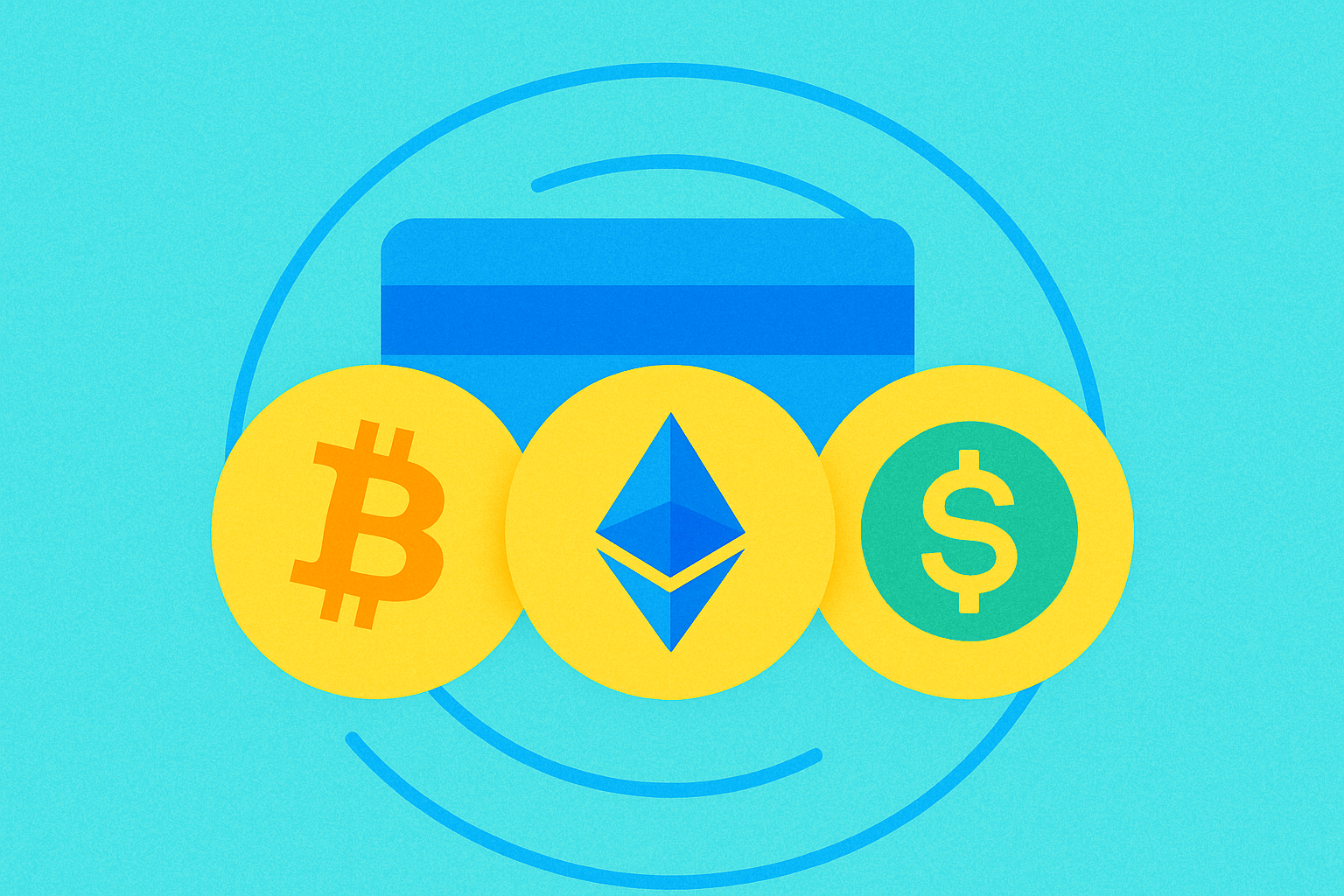
Understanding Stablecoins: An Essential Guide to Stable Cryptocurrency


Stablecoin: A Complete Guide to Understanding Stable Cryptocurrencies
What Is a Stablecoin?
A stablecoin is a type of cryptocurrency engineered to maintain a steady value by being pegged to reserve assets such as fiat currencies (USD, EUR), commodities (gold), or algorithmic mechanisms. Unlike Bitcoin or Ethereum—whose prices are highly volatile—stablecoins offer reliable stability for participants in the crypto ecosystem.
Why Are Stablecoins Important?
Stablecoins are essential in the crypto market for several reasons:
- Volatility Protection: Stablecoins help safeguard value when crypto markets experience sharp declines.
- Streamlined Transactions: Stablecoins provide a practical payment method due to their stable value.
- Connecting Fiat and Crypto: Stablecoins bridge the gap between traditional finance and digital assets.
- Efficient Transfers: Stablecoins enable rapid, cross-border value transfers without complicated currency conversions.
Types of Stablecoins
1. Fiat-Collateralized Stablecoins
These stablecoins are backed by fiat reserves at a 1:1 ratio. Examples include:
- USDT (Tether): The most widely used stablecoin, backed by USD reserves.
- USDC (USD Coin): A transparent stablecoin subject to routine audits.
- BUSD: A stablecoin regulated by financial authorities.
2. Crypto-Collateralized Stablecoins
These are backed by other cryptocurrencies with a higher collateral value to offset volatility. Example:
- DAI: A decentralized stablecoin backed by Ethereum and other crypto assets.
3. Algorithmic Stablecoins
Algorithmic stablecoins use smart contracts and algorithms to automatically manage supply:
- Operate via supply-and-demand mechanisms
- No physical reserves required
- Greater risk, but fully decentralized
How Stablecoins Work
Stablecoins maintain value through several mechanisms:
Fiat-Backed Mechanism
- The issuer holds fiat reserves in banks.
- Every stablecoin issued is backed by 1 USD (or another fiat currency).
- Users can redeem stablecoins for fiat at any time.
Crypto-Backed Mechanism
- Users lock crypto assets as collateral.
- The system issues stablecoins worth less than the collateral value.
- Over-collateralization helps mitigate volatility risk.
Algorithmic Mechanism
- Smart contracts adjust supply up or down.
- When the price rises, the system mints more coins.
- When the price falls, the system buys coins back from the market.
Stablecoin Use Cases
Stablecoins serve a range of practical functions:
1. Trading and Investment
- Protect profits during market volatility
- Simplify moves between platforms
- Act as base trading pairs for other cryptocurrencies
2. International Remittance
Stablecoins offer a superior solution for money transfers:
- Faster than traditional bank transfers
- Lower fees
- Available 24/7
3. DeFi (Decentralized Finance)
Stablecoins are foundational to DeFi platforms:
- Yield farming
- Lending and borrowing
- Liquidity provision
4. Payments
Stablecoins are increasingly accepted for:
- E-commerce
- Digital services
- Peer-to-peer transactions
Benefits of Using Stablecoins
Stablecoins offer compelling advantages:
- Price Stability: Their value remains steady, ideal for asset storage.
- Fast Transactions: Quicker than conventional bank transfers.
- Global Access: Anyone with internet access can use them.
- Transparency: Blockchain enables transaction tracking.
- Low Fees: Especially for cross-border transactions.
- Always Available: Operate 24/7, no holidays.
Stablecoin Risks and Challenges
Despite their utility, stablecoins present several risks:
1. Solvency Risk
- Issuer fails to maintain full reserves
- Insufficient audit transparency
2. Regulatory Risk
- Government policy changes
- Potential restrictions or bans
3. Technology Risk
- Smart contract bugs
- Protocol-targeted hacks
4. De-Pegging Risk
- Loss of peg to reference assets
- Panic selling triggering bank runs
5. Centralization Risk
- Single-entity control
- Issuer freezing assets
How to Buy and Store Stablecoins
Buying Stablecoins
You can acquire stablecoins through:
- Trusted Trading Platforms: Create an account on a reputable crypto exchange.
- Peer-to-Peer: Purchase directly from other users.
- Crypto ATMs: Available in select countries.
- Direct Exchange: Swap other cryptocurrencies for stablecoins.
Storing Stablecoins
Digital stablecoin assets can be kept in:
- Hardware wallet: The safest option for long-term holding.
- Software Wallet: Convenient for everyday transactions.
- Wallet Platform: Easy access, but less secure.
- Custodial Wallet: Managed by third parties.
Major Stablecoins on the Market
USDT (Tether)
The most dominant stablecoin, USDT has the largest market cap and is backed by USD reserves and cash-equivalent assets.
Advantages:
- High liquidity
- Accepted by nearly all platforms
- Highest trading volume
Drawbacks:
- Transparency controversies regarding reserves
- Fully centralized
USDC (USD Coin)
Developed by Circle and Coinbase, USDC is known for its transparency.
Advantages:
- Monthly routine audits
- Clear regulatory oversight
- Supported by major financial institutions
Drawbacks:
- Ability to freeze specific addresses
- Centralized
DAI
DAI is a decentralized stablecoin collateralized by cryptocurrencies via the MakerDAO protocol.
Advantages:
- Fully decentralized
- Blockchain transparency
- Resistance to censorship
Drawbacks:
- Complex for beginners
- Liquidation risk
BUSD
BUSD is issued by Paxos and compliant with regulatory requirements.
Advantages:
- Tightly regulated
- Transparent audits
- Strong institutional backing
Drawbacks:
- Platform dependency
- Centralization risk
Stablecoin Regulation
Stablecoins attract intense scrutiny from global regulators:
Global Regulatory Overview
- United States: SEC and CFTC oversee stablecoins, with dedicated legislative proposals in progress.
- European Union: MiCA (Markets in Crypto-Assets) provides comprehensive regulation.
- Asia: Regulatory approaches range from full adoption to strict limitations.
- Indonesia: OJK and BI monitor developments; regulation continues to evolve.
Key Regulatory Issues
- Consumer protection
- Anti-money laundering (AML)
- Financial system stability
- Reserve and audit obligations
The Future of Stablecoins
Stablecoins are advancing rapidly, with several notable trends:
1. CBDC (Central Bank Digital Currency)
Central banks worldwide are developing digital currencies inspired by the stablecoin model.
2. Integration with Traditional Payment Systems
Stablecoins are increasingly linked to:
- Retail payment systems
- Debit and credit cards
- E-commerce platforms
3. Regulatory Enhancement
Stablecoins will be subject to:
- More rigorous audit standards
- Special licensing requirements
- Clear legal frameworks
4. Technology Innovation
Stablecoins will leverage:
- Layer 2 solutions for scalability
- Cross-chain interoperability
- Privacy improvements
5. Institutional Adoption
Stablecoins are seeing increased interest from:
- Multinational corporations
- Financial institutions
- Governments for aid distribution
Safe Stablecoin Usage Tips
Stablecoins are secure when used responsibly:
1. Choose Reputable Stablecoins
- Research the issuer's reputation
- Examine reserve transparency
- Review historical track records
2. Diversify Holdings
- Avoid concentrating all assets in one stablecoin
- Spread risk across issuers
3. Use Secure Wallets
- Enable two-factor authentication
- Safeguard private keys
- Consider hardware wallets for large balances
4. Watch Out for Scams
- Verify smart contract addresses
- Avoid offers that seem too good to be true
- Never share your private key
5. Monitor Developments
- Stay updated on news for your chosen stablecoins
- Track regulatory changes
- Monitor reserve ratios
6. Understand Risks
- No asset is completely risk-free
- De-pegging is always a possibility
- Plan your exit strategy
Stablecoins Compared to Other Instruments
Stablecoins vs. Fiat Currency
Stablecoins excel at:
- International transfer speed
- Low transaction costs
- Round-the-clock accessibility
Fiat offers:
- Government guarantees
- Universal acceptance
- Stable regulatory environment
Stablecoins vs. Other Cryptocurrencies
Choose stablecoins for:
- Value preservation
- Daily transactions
- Volatility avoidance
Other cryptocurrencies are better for:
- Growth potential
- Full decentralization
- Long-term investment
Stablecoins vs. Digital Gold
Stablecoins provide:
- Higher liquidity
- Greater transfer ease
- Lower storage costs
Digital gold is ideal for:
- Inflation hedging
- Traditional safe-haven status
- Portfolio diversification
Conclusion
Stablecoins are a pivotal innovation in the cryptocurrency ecosystem, bridging conventional finance and digital assets. By maintaining stable value, stablecoins offer practical solutions for payments, asset storage, and DeFi participation—without the severe volatility common to most cryptocurrencies.
They deliver speed, low fees, and global accessibility, but users must understand the associated risks—including regulatory changes, technology vulnerabilities, and issuer solvency.
As regulatory frameworks and technology mature, stablecoins will play an increasingly influential role in global finance. For those seeking lower-risk exposure to crypto, stablecoins are a strong choice.
Most importantly, always research thoroughly, understand stablecoin mechanics, select reputable issuers, and manage your risks prudently. Stablecoins are powerful tools when used with proper knowledge and careful strategy.
By understanding stablecoins—their mechanisms, benefits, and risks—you'll be equipped to make informed decisions and leverage this technology for your digital financial needs.
FAQ
Which Coins Are Stablecoins?
Stablecoins are cryptocurrencies whose value remains stable because they're pegged 1:1 to real-world assets like fiat currency or gold, preventing dramatic price swings like those seen in other cryptocurrencies.
What Are Some Examples of Stablecoins?
Popular examples include USDT, USDC, BUSD (asset-backed stablecoins), and DAI, which is a decentralized algorithmic stablecoin.
What Do Stablecoins Do?
Stablecoins provide a reliable value linked to fiat currencies, reducing crypto market volatility. They facilitate smooth transactions and trading without wild price fluctuations.
Is USDT a Stablecoin?
Yes, USDT is a stablecoin pegged to the US dollar, issued by Tether Ltd. It maintains a steady value and is the oldest, most popular stablecoin with the highest trading volume in the industry.

Top Rated Digital Currency Debit Cards for Convenient Payments

What is a stablecoin? An in-depth beginner's guide to stable cryptocurrencies

How to Use a Bitcoin Debit Card Wisely

Stablecoin là gì? Hướng dẫn toàn diện cho người mới bắt đầu về các loại tiền điện tử ổn định
Stablecoins Explained: A Comprehensive Beginner’s Guide to Their Mechanisms, Selection, and Getting Started

What is Pieverse (PIEVERSE) and How Does it Aim to Revolutionize Blockchain Payments?

How to Pay Bills with Cryptocurrency
Metaplanet Stock Price Prediction 2025: What Bitcoin Investors Should Know?

Arbitrum Airdrop Guide: Cross-Chain Bridge Tutorial

Fhenix Airdrop Guide: How to Participate and Claim FHE Rewards
Base Chain: An Ethereum Layer-2 Scaling Solution