What is the Best Coin to Mine?
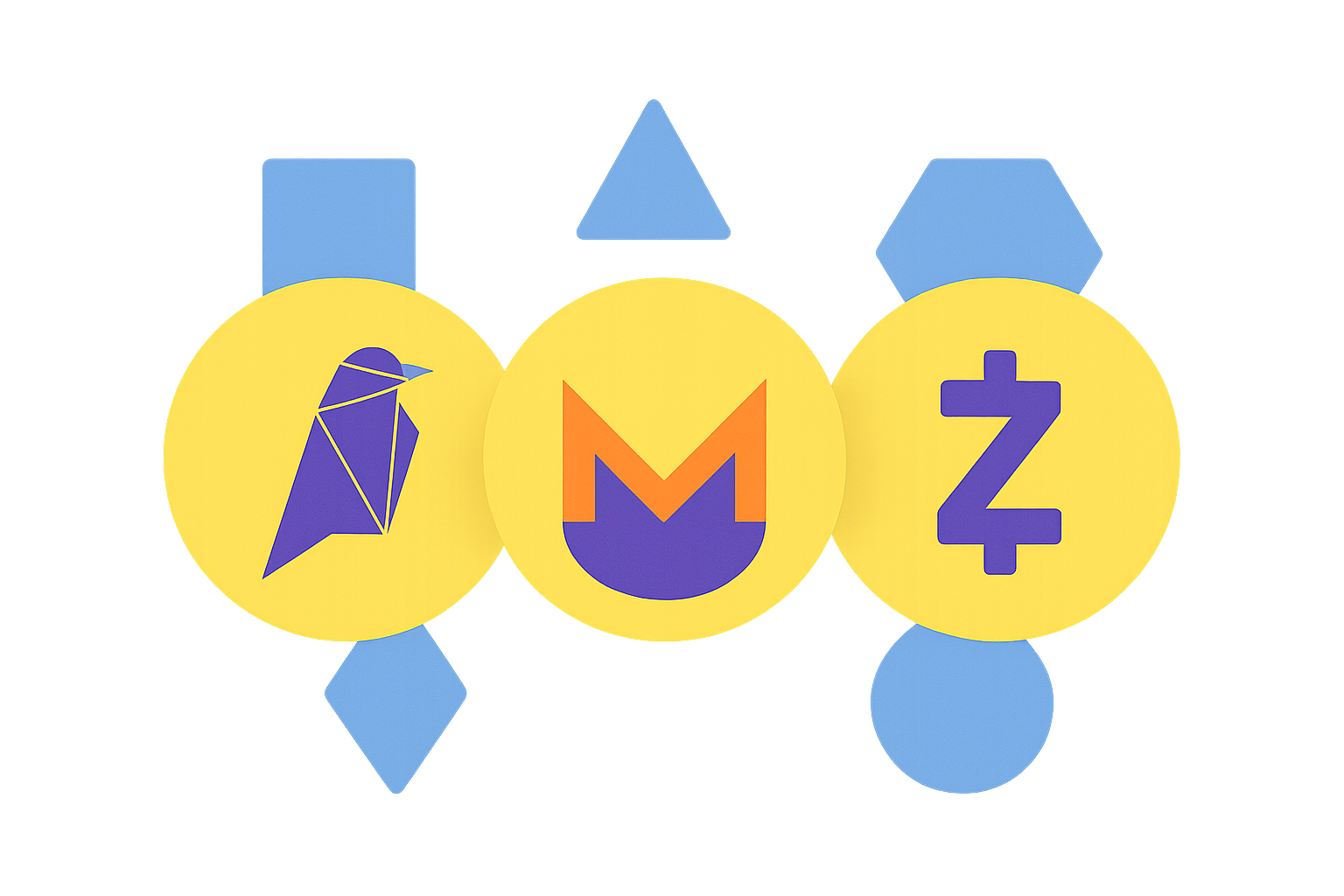
Identifying the "best" cryptocurrency to mine is contingent upon various factors including the miner's hardware setup, electricity costs, and the specific goals of the miner (e.g., immediate profitability, potential for future value increase, contribution to network security). In recent years, following Ethereum's transition to proof-of-stake, altcoins that utilize proof-of-work (PoW) mechanisms, such as Ravencoin, Monero, and Zcash, have emerged as top choices for mining operations, depending on the context and objectives of the miner.
The selection of the optimal mining coin requires a comprehensive understanding of multiple variables that directly impact mining success. These variables range from technical considerations like hardware compatibility and energy efficiency to market-driven factors such as coin volatility and liquidity. Understanding these elements enables miners to make informed decisions that align with their investment strategies and operational capabilities.
Why the Best Coin to Mine Matters
For investors, traders, and users, the choice of which cryptocurrency to mine is significant because it affects potential returns and the sustainability of mining operations. Mining can serve as a passive income source or a long-term investment strategy, depending on the coin's market performance and the miner's operational costs. Moreover, the choice of coin impacts the security and decentralization of the blockchain, as more miners contribute to a more robust and secure network.
The decision also carries broader implications for the cryptocurrency ecosystem. When miners concentrate their resources on specific coins, they strengthen those networks' security through increased hash power distribution. This collective participation helps prevent 51% attacks and ensures transaction validation remains decentralized. Additionally, mining profitability directly influences the long-term viability of proof-of-work blockchains, as sustainable mining operations are essential for maintaining network integrity.
From a financial perspective, selecting the right coin to mine can mean the difference between profitable operations and unsustainable losses. Miners must consider not only immediate returns but also factors such as coin emission schedules, halving events, and potential protocol upgrades that may affect future profitability. Understanding these dynamics enables miners to position themselves strategically in the evolving cryptocurrency landscape.
Hardware and Electricity Costs
The type of mining hardware (ASIC, FPGA, GPU) significantly affects what coins are viable to mine. Electricity cost is another critical factor; regions with lower electricity costs can make mining more profitable. For instance, mining Bitcoin in a country with high electricity costs might not be as profitable as mining Monero or another altcoin with lower energy requirements.
ASIC (Application-Specific Integrated Circuit) miners are highly efficient for specific algorithms but require substantial upfront investment and lack flexibility for mining different coins. GPU (Graphics Processing Unit) miners offer versatility, allowing miners to switch between various altcoins based on profitability, though they typically consume more power per hash than ASICs. FPGA (Field-Programmable Gate Array) miners provide a middle ground, offering better efficiency than GPUs while maintaining some programming flexibility.
Electricity costs can vary dramatically by region, ranging from as low as $0.03 per kWh in some areas to over $0.20 per kWh in others. This variance directly impacts the break-even point for mining operations. For example, a mining rig consuming 1,500 watts and operating 24/7 would cost approximately $32.40 per month at $0.03/kWh versus $216 per month at $0.20/kWh. These cost differences can determine whether mining operations generate profit or operate at a loss.
Miners should also consider cooling costs, especially in warmer climates where additional air conditioning may be necessary to maintain optimal hardware temperatures. Some miners strategically locate operations in colder regions to reduce cooling expenses, or they implement innovative solutions such as immersion cooling to improve efficiency.
Market Dynamics and Coin Value
The market value of a cryptocurrency is a direct influencer of mining profitability. Coins that experience higher volatility might offer higher potential gains but also present greater risks. Additionally, the overall liquidity of the coin is crucial, as it determines the ease with which mined coins can be sold.
Market capitalization provides insight into a coin's stability and adoption level. Larger market cap coins typically exhibit less volatility but may have higher mining difficulty due to increased competition. Conversely, smaller market cap coins may offer opportunities for early miners to accumulate significant holdings before broader market recognition, though they carry higher risk of value depreciation or project abandonment.
Liquidity considerations extend beyond simple trading volume. Miners must evaluate the availability of trading pairs, the number of exchanges listing the coin, and the depth of order books. Coins with limited liquidity may force miners to sell at unfavorable prices or hold assets longer than intended, tying up capital and reducing operational flexibility.
Market sentiment and news cycles also significantly impact mining profitability. Positive developments such as protocol upgrades, partnership announcements, or increased institutional adoption can drive price appreciation, while negative events like security breaches or regulatory challenges can rapidly diminish mining returns. Successful miners maintain awareness of these factors and adjust their strategies accordingly.
Network Difficulty and Hash Rate
Network difficulty, which adjusts based on the total computing power mining a cryptocurrency, directly affects mining profitability. A higher hash rate indicates more competition among miners, thereby reducing the likelihood of earning mining rewards.
Difficulty adjustments occur at predetermined intervals specific to each blockchain protocol. For example, some networks adjust difficulty every few blocks, while others implement adjustments on longer cycles. These adjustments ensure consistent block production times regardless of total network hash rate fluctuations. When new miners join the network or existing miners upgrade equipment, difficulty increases proportionally, reducing individual miners' share of block rewards.
The relationship between hash rate and profitability is inverse: as network hash rate increases, individual miners receive smaller portions of block rewards unless they proportionally increase their own mining power. This dynamic creates an ongoing arms race where miners must continually evaluate whether upgrading equipment or switching to less competitive coins offers better returns.
Monitoring network difficulty trends provides valuable insights for mining strategy. Sudden difficulty increases may signal new large-scale mining operations entering the network, potentially reducing profitability for smaller miners. Conversely, difficulty decreases might indicate miners leaving the network, creating opportunities for remaining participants to capture larger reward shares.
Examples and Updated Insights
Following Ethereum's transition to proof-of-stake consensus, which eliminated traditional mining, several cryptocurrencies have risen as popular mining options:
Ravencoin: Known for its democratized mining approach and resistance to ASIC hardware, making it an attractive option for GPU miners. Ravencoin implements the KAWPOW algorithm, specifically designed to be ASIC-resistant and accessible to miners with consumer-grade graphics cards. The project focuses on asset tokenization and transfer, providing utility beyond simple value transfer. Ravencoin's relatively low entry barrier makes it particularly appealing for newcomers to cryptocurrency mining who want to participate without significant capital investment.
Monero: Continues to be a favorite due to its privacy features and CPU mining friendliness, allowing users with less advanced hardware to participate in mining activities. Monero utilizes the RandomX algorithm, optimized for general-purpose CPUs and designed to resist both ASIC and GPU dominance. This approach maintains mining decentralization by enabling broader participation. Monero's strong privacy features through ring signatures and stealth addresses attract users prioritizing transaction confidentiality, supporting sustained demand and network security.
Zcash: Offers privacy and relatively consistent returns, with parameters adjusted for ASIC resistance to ensure broader miner participation. Zcash employs the Equihash algorithm and provides optional privacy through zero-knowledge proofs (zk-SNARKs), allowing users to choose between transparent and shielded transactions. The project maintains a balance between privacy advocacy and regulatory compliance, potentially supporting long-term viability. Zcash's established market presence and development team provide stability that appeals to miners seeking reliable operations.
These coins demonstrate different aspects that might appeal to various types of miners, from those concerned with privacy and decentralization to those looking for accessibility and lower entry barriers. Each offers unique value propositions that extend beyond mining profitability, including technological innovation, community governance, and specific use cases that may drive future adoption and value appreciation.
Relevant Data and Statistics
According to available mining profitability calculators and market analyses, the average return on investment for mining equipment can vary significantly. For instance, in the current mining landscape, the ROI period for high-end ASIC miners targeting coins like Zcash can range from 8 to 15 months, depending on electricity costs and network difficulty. Meanwhile, GPU miners focusing on coins like Ravencoin might see ROI periods that are somewhat longer, but with potentially lower upfront costs.
Profitability calculations must account for multiple variables including hardware depreciation, pool fees (typically 1-3% of mining rewards), and potential downtime for maintenance or hardware failures. Many miners use profitability calculators that factor in real-time network difficulty, current coin prices, and local electricity rates to estimate daily, monthly, and annual returns.
Historical data shows that mining profitability experiences cyclical patterns correlated with broader cryptocurrency market cycles. During bull markets, increased coin prices often offset rising network difficulty, maintaining or improving profitability. Conversely, bear markets can compress margins significantly, forcing less efficient operations to shut down until conditions improve.
Successful miners typically diversify across multiple coins rather than concentrating solely on the most profitable option at any given moment. This strategy helps mitigate risks associated with sudden difficulty increases, price crashes, or protocol changes affecting individual coins. Portfolio approaches to mining enable more stable long-term returns despite short-term volatility in any single cryptocurrency.
Conclusion and Key Takeaways
Choosing the best cryptocurrency to mine involves a balanced consideration of hardware capabilities, electricity costs, market dynamics, and personal or strategic goals. While Ethereum's shift to proof-of-stake has redirected many miners towards other cryptocurrencies, coins like Ravencoin, Monero, and Zcash offer viable alternatives with their unique attributes and mining ecosystems.
For those looking to engage in cryptocurrency mining, it's essential to stay informed about the latest technology trends, market fluctuations, and regulatory developments. Successful mining operations require ongoing education, strategic planning, and willingness to adapt to changing conditions. Miners should regularly reassess their equipment efficiency, monitor network difficulty trends, and evaluate whether their chosen coins continue to align with profitability goals.
Risk management is crucial in mining operations. This includes maintaining adequate capital reserves for equipment upgrades, diversifying mining activities across multiple coins, and establishing clear exit strategies if profitability falls below acceptable thresholds. Additionally, miners should consider tax implications of mining rewards and maintain proper records for compliance purposes.
Ultimately, the best coin to mine is one that aligns with the miner's specific circumstances and goals, ensuring sustainability and profitability in the dynamic landscape of cryptocurrency mining. Whether prioritizing immediate returns, long-term value appreciation, privacy features, or contribution to network decentralization, miners have various options that cater to different preferences and capabilities. Success in mining requires combining technical knowledge, market awareness, and strategic thinking to navigate this evolving industry effectively.
FAQ
What is cryptocurrency mining and how does it work?
Cryptocurrency mining verifies transactions on blockchain networks through solving complex puzzles using computer power. Miners compete to find correct hashes, earning new coins and transaction fees as rewards. Mining difficulty adjusts automatically to maintain consistent block times.
Which coins are most profitable to mine in 2024?
Bitcoin remains the most profitable coin to mine in 2024 due to its high market value and network stability. Ethereum and other altcoins with lower energy requirements also offer competitive returns. Mining profitability depends on hardware efficiency, electricity costs, and current market conditions.
What are the hardware requirements for mining different coins?
Bitcoin requires ASIC miners for optimal efficiency. Ethereum and similar coins use GPUs. Mining profitability depends on hardware costs, power consumption, and network difficulty. Choose hardware based on your target coin and budget.
How do mining difficulty and network hash rate affect profitability?
Higher mining difficulty reduces profitability by making blocks harder to find. Increased network hash rate intensifies competition among miners. Both factors lower miner rewards and returns, directly impacting mining economics and operational viability.
What is the difference between mining Bitcoin, Ethereum, and other altcoins?
Bitcoin mining secures a decentralized currency network using Proof of Work. Ethereum mining previously supported smart contracts and DApps before transitioning to Proof of Stake. Altcoins vary by purpose, consensus mechanism, and technology, each with different mining requirements and profitability factors.
How much does it cost to start mining and what is the ROI?
Mining startup costs range from $30 to several thousand dollars depending on equipment. ROI varies based on electricity costs and market conditions, typically ranging from 6 months to 2 years. Current profitability requires analyzing hash rates against operational expenses.
Which coins are best for beginners to mine?
For beginners, Kaspa, Ethereum Classic, and Ravencoin are ideal choices. These coins are GPU-friendly with manageable difficulty levels and consistent profitability, making them perfect entry points into cryptocurrency mining.
How do I calculate mining profitability before choosing a coin?
Calculate profitability by analyzing hardware costs, electricity expenses, and expected mining rewards. Subtract total costs from projected earnings to determine net profit margins before selecting a coin.
What are the environmental and electricity cost considerations for mining?
Mining consumes substantial electricity, significantly impacting operational costs and environmental emissions. Profitability depends on local electricity rates and energy sources. Miners often relocate to regions with cheaper, renewable energy to reduce costs and environmental impact.
A Guide to the Top Cryptocurrency Mining Pools

Guide to Setting up Your Helium Hotspot Miner

Efficient Strategies for Joining Cryptocurrency Mining Pools

A Detailed Analysis of Cryptocurrency Mining Principles and Mechanisms
Understanding Scrypt: A Comprehensive Overview of the Cryptographic Method
Mobile Mining | A Comprehensive Guide and Review

All About MetaDAO: The Solana-Based DAO That Tripled
What is ZetaChain?
EigenLayer 1.29MM Token Unlock: $EIGEN Airdrop Guide, Price Prediction, and Claiming Eligibility
How to Buy Ethereum (ETH) on Web3 Wallets: A Complete Guide

What is GoPlus ($GPS)? Key Listing Info, Price Prediction and Investment Guide