Polygon Mainnet: Ethereum Layer 2 Scaling and Governance Evolution
What Is Polygon Mainnet?
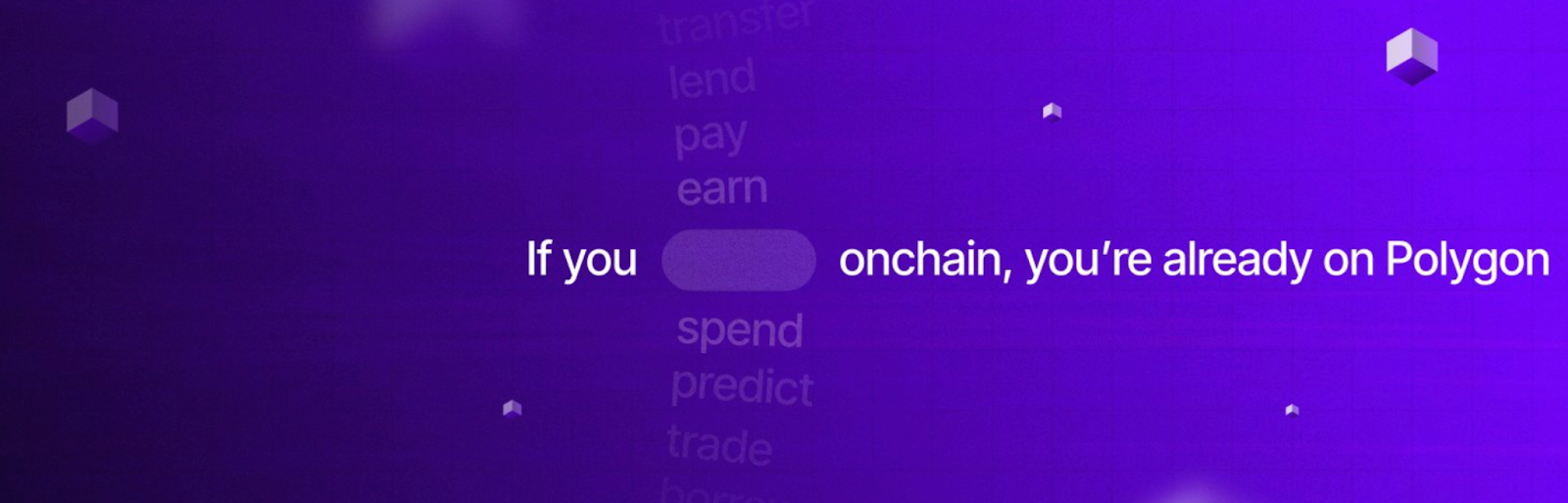 (Source: 0xPolygon)
Polygon Mainnet is one of the most advanced Layer 2 scaling solutions in the Ethereum ecosystem. Its primary goal is to address the persistent high Gas fees and transaction throughput bottlenecks of the Ethereum mainnet. Leveraging sidechains and a modular architecture, Polygon delivers a high-performance and compatible environment for decentralized applications (DApps).
On the user experience front, Polygon Mainnet is fully compatible with the Ethereum Virtual Machine (EVM), enabling existing Ethereum apps and developer tools to migrate and deploy with minimal changes—while dramatically reducing usage costs. As the ecosystem evolves, the native token has upgraded from MATIC to POL, assuming a broader role in network operations and governance.
Core Functions and Technical Advantages
Polygon Mainnet distinguishes itself among Layer 2 solutions through its balanced approach to scalability, cost, and compatibility.
For scalability, Polygon employs sidechains and a multi-layered architecture to offload large volumes of transactions from the Ethereum mainnet. This significantly boosts overall throughput and reduces network congestion risks, resulting in faster transaction confirmations for users.
Cost efficiency is another standout advantage. Compared to Ethereum mainnet, Polygon Mainnet offers substantially lower transaction fees, making it easier for high-frequency use cases like DeFi, NFTs, and on-chain gaming to reach users.
Polygon also maintains full EVM compatibility, allowing developers to leverage Ethereum’s established development ecosystem—including Smart Contract standards, Wallets, and development frameworks—minimizing technical migration costs.
POL Token: More Than Just a Trading Fee Token
As Polygon’s ecosystem transitions to a multi-chain and modular era, the POL token serves as the network’s core coordinating asset. Beyond paying transaction fees, POL can be staked to help secure the network and acts as a governance vehicle. With POL, holders can participate directly in key decisions across the Polygon ecosystem—from protocol upgrades to resource allocation—ensuring the token’s value is tightly linked to the network’s growth, rather than just functioning as a Gas token.
A Multi-Chain, Collaborative Blockchain Internet
Polygon’s long-term vision extends beyond a single Layer 2 solution. It aims to create an interoperable blockchain internet, using cross-chain frameworks and zk-rollup technologies. Polygon Mainnet can work seamlessly with modules like zkEVM and AggLayer, enabling secure communication between different chains and execution environments. This positions Polygon as an intermediary layer connecting multiple blockchains—not just a standalone scaling solution—and sets the stage for future modular blockchain architectures.
Innovative Governance Architecture
On the governance side, Polygon has launched the System Smart Contracts Governance framework and systematized governance processes through the Polygon Governance Hub. POL holders can participate in upgrading and managing core infrastructure, including PoS, zkEVM, and AggLayer.
Key features of this governance model include:
-
Split delegation, allowing users to distribute voting rights among multiple representatives to prevent power concentration.
-
Adaptive voting thresholds that adjust based on group participation, improving governance efficiency.
-
Multi-tier consensus, where proposals first reach community consensus, then are voted on by the Protocol Council and executed on-chain—striking a balance between decentralization and execution efficiency.
This evolutionary governance model enables Polygon to maintain network stability and security while rapidly iterating.
If you want to learn more about Web3, click to sign up: https://www.gate.com/
Summary
Polygon Mainnet not only delivers a robust and mature scaling solution for Ethereum, but also builds a sustainable, evolving multi-chain ecosystem through the POL token and innovative governance. From transaction efficiency and cost optimization to governance design, Polygon proves that Layer 2 is more than just a cheaper Ethereum—it is a foundational pillar for the blockchain internet.
Related Articles

Will Sidra Break $1,000? A Realistic Look at Sidra Chain Price Claims in 2026–2027
BlockDAG (BDAG): A High-Speed and Secure Layer 1 for the Next Era
Rising Prices but Bearish Funding Rates: Is Crypto Entering a “Layered Bull Market” After Wall Street Capital Inflows?
Fractional NFTs: Lowering Barriers and Enhancing Liquidity
What is USDC? A Complete Guide to One of the Most Trusted Stablecoins