Understanding Directed Acyclic Graph (DAG)

What is a directed acyclic graph (DAG)?
Directed acyclic graph (DAG) is an innovative technology in the fintech space, often considered as an alternative to traditional distributed ledger technologies. This article explores the concept of DAG, its workings, and how it compares to other decentralized systems.
DAG vs traditional distributed ledger technology
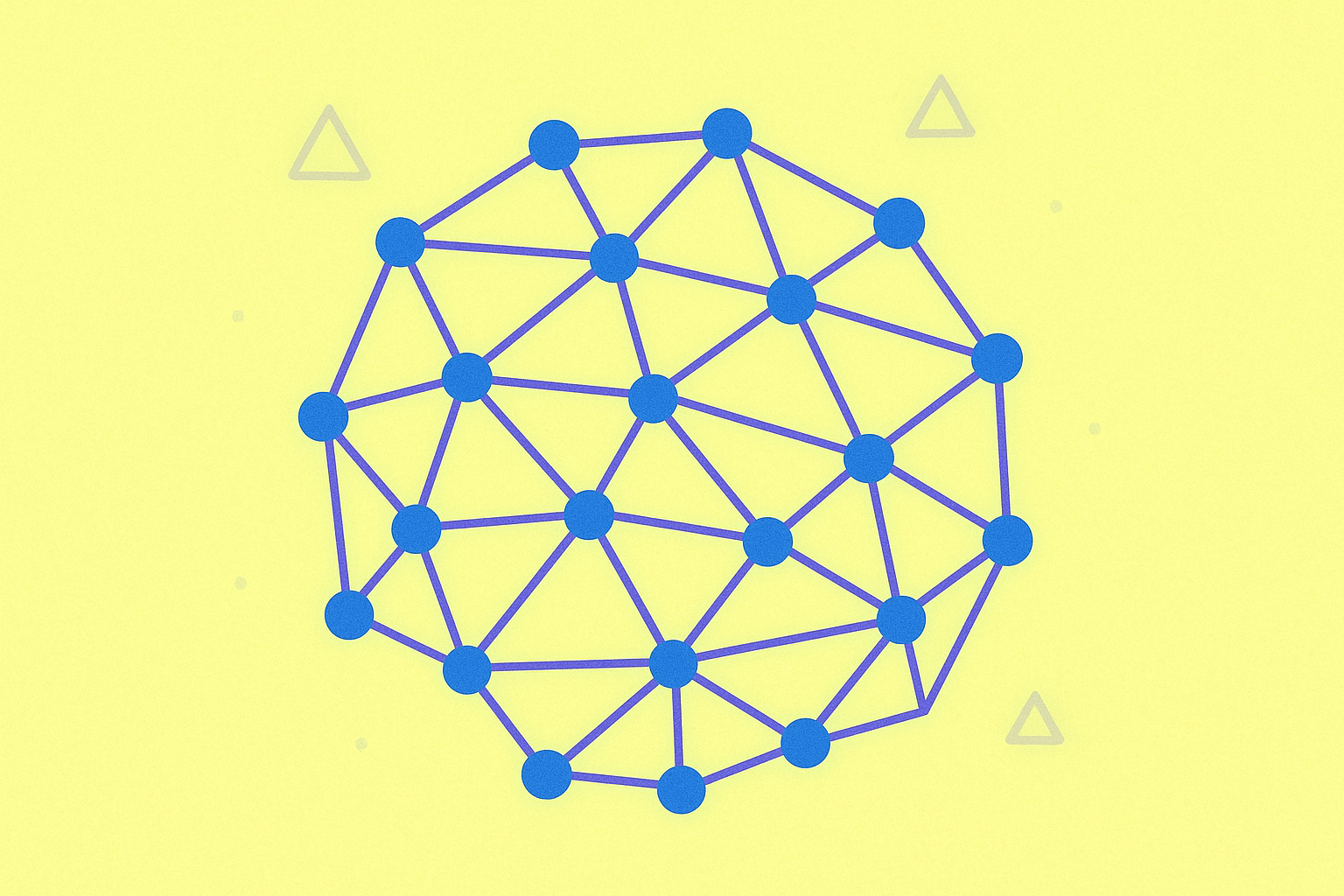
DAG is a data modeling tool used by some cryptocurrencies instead of a conventional blockchain. It's sometimes referred to as a potential "disruptor" due to its advantages. The DAG architecture uses circles (vertices) to represent activities and lines (edges) to show the order of transaction approval. Unlike traditional systems, DAG doesn't gather transactions into blocks but builds them on top of each other, significantly improving transaction speed.
How does DAG technology work?
In a DAG-based system, each transaction (represented by a circle or vertex) is built on top of previous ones. To make a transaction, a user must confirm a prior unconfirmed transaction (called a "tip"). This process creates layers of transactions, allowing the system to grow continuously. DAG also includes a mechanism to prevent double-spending by assessing the entire transaction path back to the first transaction.
What is DAG used for?
DAG technology is primarily used for processing transactions more efficiently than traditional systems. It offers several advantages:
- Faster transaction processing due to the absence of blocks
- Energy efficiency, as it doesn't rely on traditional mining
- Suitability for micropayments due to low or no transaction fees
Which cryptocurrencies use DAG?
Several projects have adopted DAG technology:
- IOTA (MIOTA): Known for fast transactions, scalability, and security
- Nano: Combines DAG and other distributed ledger technologies
- BlockDAG: Offers energy-efficient mining of BDAG cryptocurrency
DAG pros and cons
DAG technology comes with its own set of advantages and disadvantages:
Pros:
- Faster transaction speeds
- Zero or low fees
- Energy efficiency
- Better scalability
Cons:
- Potential decentralization issues
- Limited testing at scale
Conclusion
Directed acyclic graph (DAG) technology presents an intriguing alternative to traditional distributed ledger systems with potential advantages in speed, cost, and scalability. However, as of 2025, it's still evolving and faces challenges such as decentralization issues. As the technology continues to develop, it will be interesting to see how DAG progresses and whether it can overcome its current limitations to compete more effectively with other technologies in the cryptocurrency space.
FAQ
What is DAG used for?
DAG is used for creating scalable, fast, and fee-less cryptocurrency networks. It enables parallel transaction processing, improving efficiency and throughput compared to traditional blockchain systems.
What is a DAG software?
DAG software is a tool that implements Directed Acyclic Graph technology in blockchain systems, enabling faster transactions and improved scalability compared to traditional blockchain structures.
What is the full form of DAG in IP3?
DAG in IP3 stands for Directed Acyclic Graph. It's a data structure used in blockchain technology to improve scalability and transaction speed.

Guide to Engaging in Parachain Auctions on Polkadot

Mastering the Fundamentals of Directed Acyclic Graphs

Understanding Directed Acyclic Graphs in Blockchain Technology

Exploring the Potential of Internet Computer Protocol (ICP)

Introduction to Directed Acyclic Graphs (DAG)
Exploring Distributed Ledgers: A Non-Block Approach
Grok AI Adoption: Ushering in a New Era for Blockchain Applications

Top 5 DeSci Crypto Projects Revolutionizing Science in Recent Years
What is spot trading?
About the Funding Cost
What Is Bombie (BOMB): The #1 Telegram and LINE GameFi Token in Web3